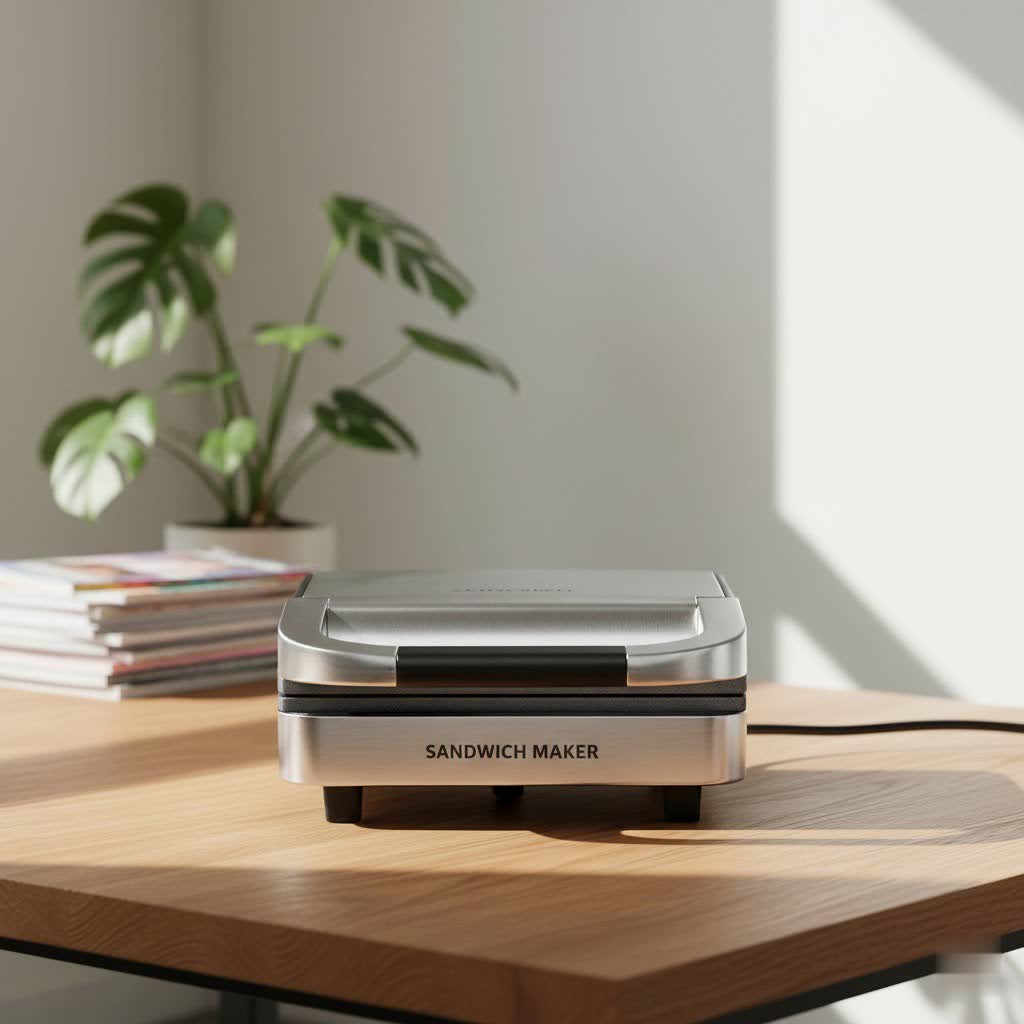
Are you running a bustling cafe, a vibrant deli, or a high-volume restaurant? Then you know the magic a perfectly toasted sandwich can bring to your menu. From crispy paninis to gooey grilled cheeses, a reliable commercial toasted sandwich maker is an indispensable workhorse in any professional kitchen. But with countless models and features available, how do you choose the right one to keep your customers coming back for more? This comprehensive guide will walk you through everything you need to know, from understanding different types to selecting the ideal machine for your specific needs, ensuring efficiency, durability, and delicious results every time.
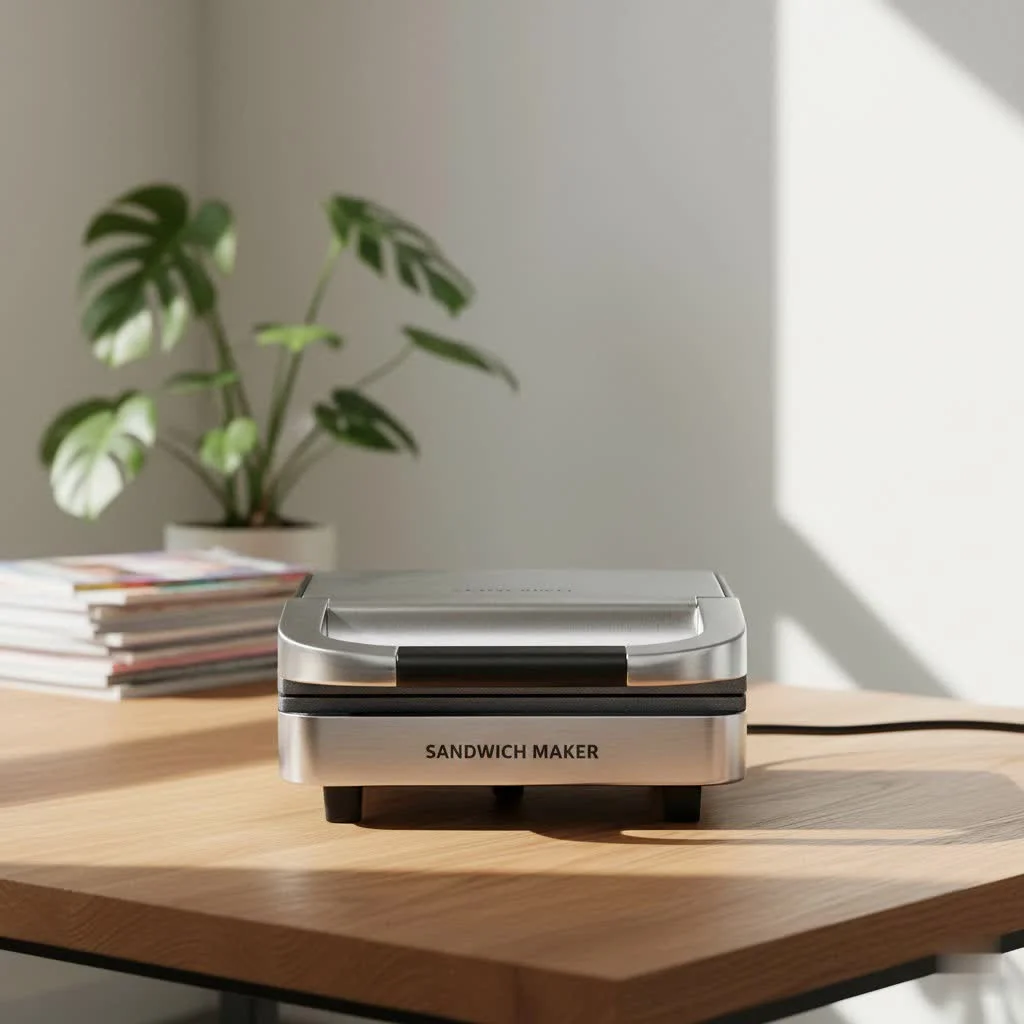
What is a Commercial Sandwich Maker?
At its core, a commercial sandwich maker is a robust piece of kitchen equipment designed to toast, grill, and press sandwiches quickly and efficiently in a high-demand environment. Far beyond the capabilities of a home appliance, these machines are built for continuous use, consistent performance, and exceptional durability, often handling hundreds of sandwiches a day. They apply heat and pressure simultaneously to both sides of a sandwich, resulting in an evenly cooked, perfectly pressed product with melted fillings and a delightfully crispy exterior. For more home kitchen guides on this site.
The concept of pressing and toasting bread with fillings has roots in various culinary traditions worldwide. While modern commercial units boast advanced technology, their purpose remains the same: to transform simple ingredients into a warm, satisfying meal that’s both quick to prepare and a delight to eat. For a busy foodservice operation, a high-quality commercial sandwich maker isn’t just an convenience; it’s a critical tool for boosting menu versatility and customer satisfaction.
Types of Commercial Sandwich Makers
When stepping into the world of commercial sandwich makers, you’ll primarily encounter variations based on their cooking plate configurations. These differences dictate the kind of results you’ll achieve and the types of items you can prepare.
Classic Pressed Sandwich Makers (Flat Plates)
These machines feature smooth, flat cooking plates on both the top and bottom. They apply even pressure and heat across the entire surface of the sandwich, creating a uniformly golden-brown crust without any distinct grill marks.
- Advantages: Ideal for delicate breads, breakfast sandwiches, quesadillas, and wraps where consistent, overall toasting is preferred. They are also versatile for cooking items like eggs or pancakes when opened flat. Flat plates are often easier to clean due to their smooth surface.
- Disadvantages: Lacks the iconic grill marks that many customers associate with paninis. Fat and juices may not drain as effectively as with grooved plates.
- Best Suited For: Cafes and diners focusing on traditional grilled cheese, breakfast sandwiches, or businesses needing a versatile flat-top cooking surface.
Panini Grills (Ribbed Plates)
|
Our Picks for the Best Sandwich Maker in 2026
As an Amazon Associate I earn from qualifying purchases.
|
||
| Num | Product | Action |
|---|---|---|
| 1 | Hamilton Beach Panini Press Sandwich Maker & Electric Indoor Grill with Locking Lid, Opens Wide to Fit Any Thickness for Quesadillas, Burgers & More, Nonstick 8" x 10" Grids, Chrome (25460MNA) |

|
| 2 | Hamilton Beach Electric Sealed Sandwich Maker Grill with PFAS-Free Nonstick Plates, Makes Stuffed French Toast, Omelets, Compact & Easy to Store, Black (25430G) |
|
| 3 | OVENTE Electric Panini Press Grill with Nonstick Plates, LED Indicator Lights, Thermostat Control, Cool Touch Handle, Compact Sandwich Maker Perfect for Cooking Breakfast, Snacks & More, Black GP0401B |
|
| 4 | Proctor Silex Deluxe Hot Sandwich Maker With Easy-Clean Durable PFAS-Free Nonstick Ceramic Plates, Fits up to 2 Grilled Cheese, Ruebens, Tortas or Subs, Stainless Steel (25415MN) |
|
| 5 | Chefman Panini Press Grill and Gourmet Sandwich Maker Non-Stick Coated Plates, Opens 180 Degrees to Fit Any Type or Size of Food, Stainless Steel Surface and Removable Drip Tray, 4 Slice, Black |
|
| 6 | Elite Gourmet ESM2207XSS Sandwich Panini Maker Grilled Cheese, Machine Tuna Melt Omelets Non-stick Cooking Surface, 2 Slice, 750 Watts, Stainless Steel |
|
| 7 | Commercial Dual Head Panini Grill, 3400W Electric Sandwich Panini Maker, 50-300℃(120-570℉), Stainless Steel Sandwich Press Grill, for Catering, Restaurant, Snack Stand, CE Certified |
|
| 8 | OVENTE Electric Sandwich Maker with Non-Stick Plates, Indicator Lights, Cool Touch Handle, Easy to Clean and Store, Perfect for Cooking Breakfast, Grilled Cheese, Tuna Melts and Snacks, Black GPS401B |
|
| 9 | OVENTE 3 in 1 Electric Sandwich Maker, Panini Press Grill and Waffle Iron Set with Removable Non-Stick Plates, Perfect for Cooking Grilled Cheese, Tuna Melts, Burgers, Steaks and Snacks, Black GPI302B |
|
| 10 | T-fal Compact Sandwich Maker, Stainless Steel, Easy to Clean, Indicator Lights, Cool Touch Handle, Grilled Cheese, Panini, 625 Watts, Black |
|
Panini grills are characterized by their ridged or grooved cooking plates, which create the distinctive char lines commonly seen on Italian-style pressed sandwiches. These ridges also serve a functional purpose beyond aesthetics.
- Advantages: Produces appealing grill marks, enhancing the visual presentation of sandwiches. The grooves allow excess fat and grease to drain away from the food, potentially leading to a healthier and less greasy end product. Excellent for classic paninis and other grilled items like chicken breasts or vegetables.
- Disadvantages: Grill marks might not be desired for all sandwich types. Cleaning can be slightly more challenging as food particles can get lodged in the grooves.
- Best Suited For: Eateries specializing in paninis, gourmet grilled sandwiches, or any establishment where presentation and fat drainage are key considerations.
Versatile/Contact Grills (Mixed & Interchangeable Plates)
Some commercial models offer a combination of plate types or feature interchangeable plates. A common configuration includes a grooved top plate and a flat bottom plate, offering a balance of grill marks and even heat distribution. Other advanced models allow you to swap out plates entirely.
- Advantages: Offers maximum versatility, allowing you to prepare a wider range of items from classic toasted sandwiches to grilled paninis, and even other grilled foods. Interchangeable plates can simplify cleaning, especially if some are dishwasher safe.
- Disadvantages: These models can be more expensive due to their enhanced functionality and additional components. Plate changes may take time, impacting workflow in very high-volume settings.
- Best Suited For: Operations that require diverse menu offerings and need a single machine to handle various toasting and grilling tasks.
Comparing Commercial Sandwich Maker Types
To help you visualize the differences, here’s a comparative overview of the main commercial sandwich maker types:
| Feature | Classic Pressed (Flat) | Panini Grill (Ribbed) | Versatile/Contact (Mixed/Interchangeable) |
|---|---|---|---|
| Primary Use | Uniformly toasted sandwiches, breakfast items, wraps | Classic paninis, grilled meats, vegetables | Wide variety of sandwiches, meats, and other grilled foods |
| Plate Surface | Smooth top and bottom | Grooved top and bottom | Often grooved top, flat bottom; or fully interchangeable |
| Aesthetics | Golden-brown, no marks | Distinctive grill marks | Grill marks (top), even toast (bottom) or varied |
| Fat Drainage | Minimal | Good | Good (with grooved top) |
| Cleaning Ease | Very easy | Moderate (grooves) | Varies by plate type, often easier with removable plates |
| Cost | Moderate | Moderate to High | High |
| Versatility | High (can cook other flat items) | Moderate (focused on grilling) | Very High |
Key Factors When Choosing a Commercial Sandwich Maker
Selecting the perfect commercial toasted sandwich maker involves more than just picking a type. Several critical factors must be weighed to ensure the appliance meets your operational demands.
Plate Material
The material of the cooking plates significantly impacts performance, durability, and maintenance.
- Aluminum: Heats up quickly and has excellent heat transfer, making it good for intermittent use. It’s generally less expensive but may lose heat faster and usually requires oils or sprays to prevent sticking.
- Cast Iron: Known for superior heat retention, providing consistent and even heat for continuous use in busy kitchens. Cast iron takes longer to pre-heat but, when properly seasoned, becomes naturally stick-resistant and incredibly durable. It is often heavier and more expensive.
- Ceramic: Offers rapid heat-up times, often utilizing infrared elements, and is exceptionally easy to clean. Ceramic plates tend to be at the higher end of the price spectrum due to these conveniences.
- Non-Stick: While convenient for easy cleaning and reduced oil use, non-stick coatings are more susceptible to damage and wear compared to bare metal plates, especially in a high-volume commercial setting.
Power and Performance
For commercial use, power is paramount.
- Wattage: Higher wattage generally means faster heating and quicker recovery times between batches, which is crucial for peak hours. Commercial units can range significantly, from around 1700W for lighter use to over 7000W for heavy-duty applications.
- Voltage: Most small to medium commercial units run on 120V, but larger, high-power models often require 208V or 240V. Always verify your kitchen’s electrical capacity and ensure the chosen unit is compatible.
- Heat Recovery: This refers to how quickly the plates return to the desired cooking temperature after a cold sandwich is placed on them. Fast heat recovery is essential for maintaining consistent output during busy periods.
Size and Design
Consider the physical aspects of the machine to ensure it fits seamlessly into your kitchen.
- Footprint: Commercial kitchens often have limited counter space. Measure your available area carefully.
- Capacity: Sandwich makers come in single or double press configurations. Single units are ideal for smaller cafes or lower volume, while double units allow you to cook multiple sandwiches simultaneously, significantly increasing throughput.
- Hinge Type: A well-designed hinge is crucial. Auto-balancing or torsion spring hinges allow the top plate to self-level and sit naturally on food up to 3 inches thick without crushing the contents, ensuring even cooking for various sandwich sizes. Ergonomic handles improve safety and ease of use for all staff members.
Additional Features
Modern commercial sandwich makers come with a variety of features that enhance functionality and user experience.
- Adjustable Thermostat: Essential for cooking different items at their optimal temperatures.
- Timer with Audible Alarm: Helps prevent overcooking and ensures consistent results.
- Drip Tray: Collects excess grease and crumbs, making cleanup easier and promoting healthier cooking.
- Removable Plates: A major upgrade for cleaning. Plates that can be easily removed, and ideally are dishwasher safe, will save significant time and effort in daily maintenance.
Where to Buy a Commercial Sandwich Maker?
Finding the right commercial toasted sandwich maker requires sourcing from reputable suppliers.
- Specialty Restaurant Supply Stores: These stores offer a wide selection of commercial-grade equipment and often have knowledgeable staff who can provide expert advice. You can physically inspect models and compare features.
- Online Foodservice Equipment Retailers: Large online retailers specializing in restaurant equipment provide extensive catalogs, competitive pricing, and user reviews. This option offers convenience and a broad selection, but you can’t physically examine the product before purchase.
- Direct from Manufacturers: Some brands sell directly from their websites, potentially offering the latest models and warranty information.
When buying online, always check the seller’s return policy, warranty, and customer support. Read user reviews to gauge real-world performance and reliability. Ensure the seller is authorized to prevent issues with warranties or authenticity.
Using and Maintaining Your Commercial Sandwich Maker
Proper usage and consistent maintenance are key to maximizing the lifespan and performance of your commercial sandwich maker.
Safe and Effective Operation
- Pre-heat Thoroughly: Always allow the unit to fully pre-heat to the desired temperature before placing food on the plates. This ensures even cooking and prevents sticking.
- Don’t Overfill: While commercial presses can handle thicker sandwiches, avoid overfilling, which can squeeze out ingredients and make a mess.
- Use Baking Paper (Optional): For extremely cheesy or messy sandwiches, using parchment or baking paper can simplify cleanup, especially with fixed plates.
- Monitor Cooking: Keep an eye on your sandwiches, especially when new to a machine, to prevent burning and achieve perfect toasting.
Cleaning Tips
Daily cleaning is crucial for hygiene and performance.
- Unplug and Cool: Always unplug the sandwich maker and allow it to cool down completely before cleaning to prevent burns and damage.
- Remove Loose Debris: Use a soft brush or dry cloth to gently wipe away any loose crumbs or food particles from the plates and exterior.
- Clean Plates: For removable plates, detach them and wash with warm, soapy water and a soft sponge. Rinse thoroughly and dry completely. Many are dishwasher-safe. For fixed plates, use a damp cloth or sponge soaked in warm, soapy water to wipe down the surface.
- Tackle Stubborn Stains: For tough grease or stuck-on food, you can create a paste from baking soda and water and gently apply it, then wipe clean. A solution of equal parts vinegar and water can also cut through greasy deposits. Avoid abrasive scrubbers or harsh chemicals that can damage plate coatings.
- Clean Exterior and Drip Tray: Wipe the outside of the unit with a damp cloth. Empty and wash the drip tray with warm, soapy water.
- Dry Completely: Ensure all parts are thoroughly dry before reassembling or storing the machine to prevent rust or electrical issues.
Seasoning Cast Iron Plates
If your sandwich maker has cast iron plates, regular seasoning is vital to maintain its non-stick properties and prevent rust. After initial cleaning, spread a thin layer of cooking oil on the plates and heat the grill to its highest setting for about 10 minutes. Let it cool, then repeat the process. This creates a protective, non-stick layer.
Top Commercial Sandwich Makers: In-Depth Reviews
While specific model recommendations can change rapidly in the commercial market, several brands consistently receive high marks for their commercial sandwich presses, including Star, Waring, Globe, Equipex, and Avantco. These manufacturers are known for producing heavy-duty units that stand up to the rigors of commercial use.
Top-tier commercial sandwich makers often feature:
- Durable Construction: Built with stainless steel exteriors for longevity and easy cleaning.
- High Power Output: Ensuring quick pre-heating and rapid heat recovery for continuous service.
- Versatile Plates: Offering a choice of grooved, flat, or mixed plates, often made from robust cast iron or quick-heating aluminum.
- Precision Temperature Control: Adjustable thermostats that allow chefs to fine-tune cooking temperatures for different ingredients.
- User-Friendly Design: Features like ergonomic, cool-touch handles, floating hinges for even pressure, and easily removable drip trays for hassle-free maintenance.
When evaluating models, consider units that align with your specific menu items and volume requirements. Look for reviews from other foodservice professionals to gain insight into real-world durability and performance.
Commercial Sandwich Maker Buying Guide: Expert Advice
Choosing the right commercial toasted sandwich maker is an investment in your kitchen’s efficiency and your menu’s appeal. Here’s a summary of expert advice to guide your decision:
- Assess Your Volume: How many sandwiches do you anticipate making per hour during peak times? This will dictate the size (single vs. double) and power requirements.
- Consider Your Menu: Do you need classic grill marks, uniform toasting, or the flexibility to do both? This determines your plate surface choice.
- Prioritize Durability: Commercial environments are tough. Opt for robust materials like stainless steel exteriors and high-quality plate materials (cast iron, durable aluminum).
- Ease of Cleaning is Key: Look for removable plates and accessible drip trays. Daily cleaning needs to be quick and straightforward.
- Check Electrical Needs: Verify voltage and wattage requirements against your kitchen’s electrical setup.
- the Hinge: A well-designed floating or auto-balancing hinge ensures even pressure and consistent results across varying sandwich thicknesses.
> “In a fast-paced kitchen, a reliable sandwich press isn’t just about making good food; it’s about making good food fast and consistently. The right machine saves time, reduces waste, and keeps customers happy.” – Admin, Reviewmartz.com, Sandwich Maker Specialist
Conclusion
A commercial toasted sandwich maker is a pivotal appliance for any foodservice operation looking to offer delicious, perfectly prepared pressed sandwiches. By understanding the different types, considering crucial buying factors like plate material and power, and committing to proper maintenance, you can select a machine that not only meets your current needs but also stands the test of time. Investing wisely in this kitchen essential will undoubtedly improve your menu and streamline your operations, turning every sandwich into a golden opportunity.
What kind of toasted sandwich are you most excited to add to your menu with your new commercial sandwich maker?
Frequently Asked Questions
What is the main difference between a commercial panini press and a commercial sandwich press?
While often used interchangeably, a commercial panini press typically features ribbed or grooved plates that leave distinctive grill marks and help drain fat, ideal for Italian-style pressed sandwiches. A commercial sandwich press usually has smooth, flat plates, providing uniform toasting without grill marks, often preferred for classic grilled cheese or breakfast sandwiches.
How often should I clean my commercial sandwich maker?
For optimal hygiene and performance, it is recommended to clean your commercial sandwich maker after each use, especially during busy periods. A quick wipe-down while it’s still warm can remove most food residues, followed by a deeper clean at the end of each day or shift.
Can I cook other foods besides sandwiches on a commercial sandwich maker?
Absolutely! Many commercial sandwich makers, particularly those with flat or versatile plates, are excellent for grilling a variety of items such as burgers, chicken breasts, quesadillas, wraps, and even vegetables. Their dual-sided heating makes them incredibly versatile.
What plate material is best for heavy-duty commercial use?
Cast iron plates are generally considered best for heavy-duty, continuous commercial use due to their superior heat retention, durability, and ability to provide consistent cooking results. While they take longer to heat up, they maintain temperature exceptionally well under constant demand.
Is it important for a commercial sandwich maker to have removable plates?
Yes, removable plates are a significant advantage for commercial sandwich makers. They make cleaning much easier and more thorough, as they can often be washed in a sink with warm, soapy water or even placed in a dishwasher (if specified by the manufacturer), ensuring better hygiene and reducing labor.
Cooking gear we tested in our own kitchens
Free PDF — preheat times measured on 10 popular air fryers.
