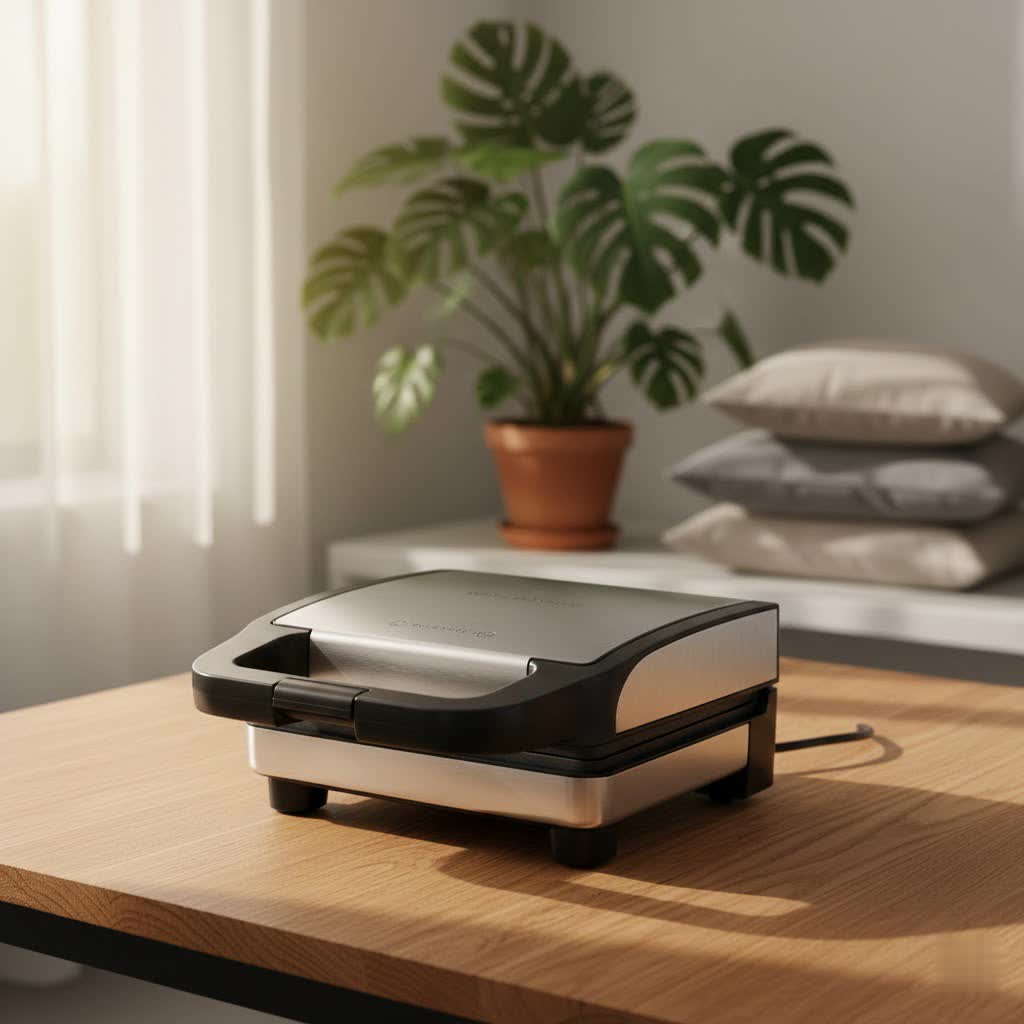
In a world brimming with kitchen gadgets, the George Foreman grill has carved out a unique and enduring legacy. From its iconic fat-reducing slope to its ability to effortlessly transform a simple sandwich into a gourmet panini, this appliance has been a countertop staple for decades. But how does this famed grill truly perform as a dedicated sandwich maker, and what should you consider before making it your next kitchen companionLet’s examine the nuances of the George Foreman sandwich maker, ensuring you choose the perfect model to improve your breakfast, lunch, or dinner.
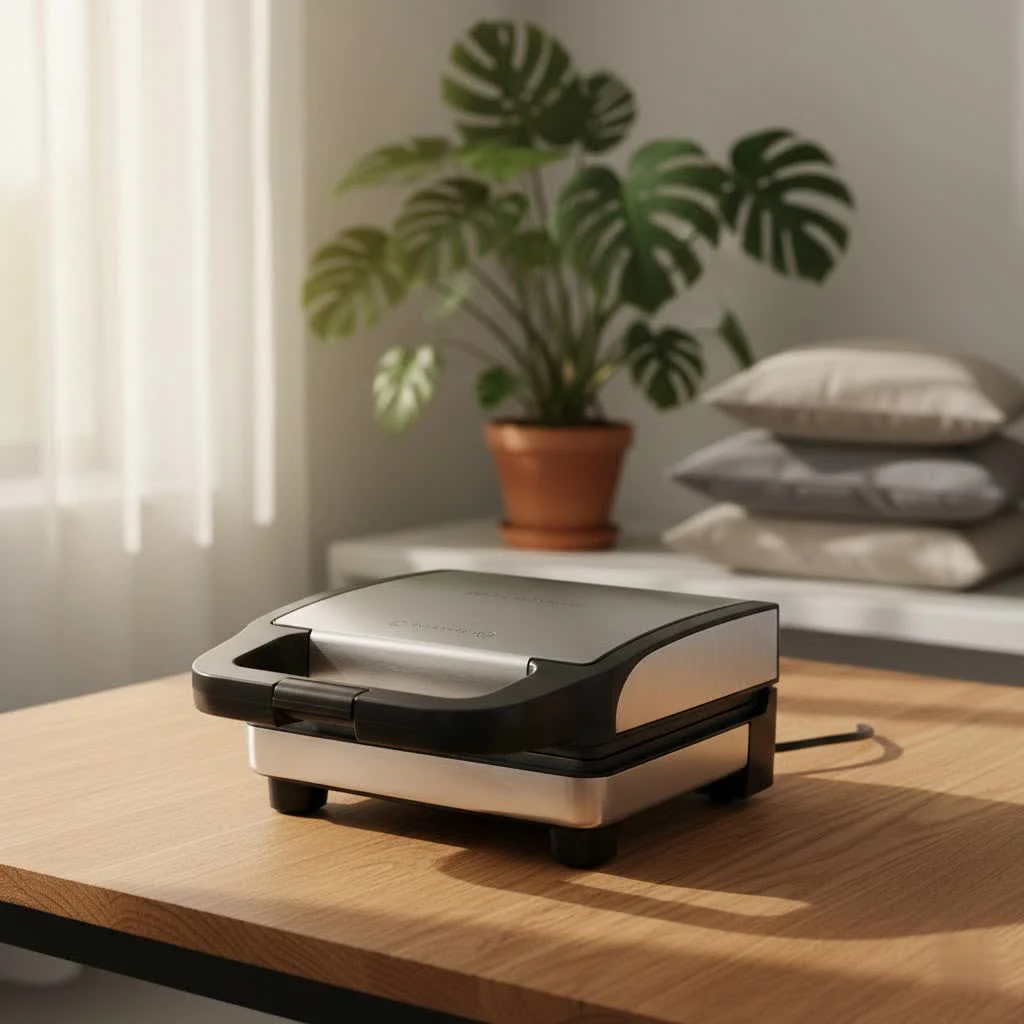
What is a George Foreman Sandwich Maker?
At its core, a George Foreman sandwich maker is an electric contact grill designed to cook food from both the top and bottom simultaneously. While famous for grilling meats and vegetables, its clamshell design and heated plates make it exceptionally well-suited for pressing sandwiches and paninis. For complete home kitchen library on this site.
The story of the George Foreman grill began in 1994, marketed as the “Lean Mean Fat-Reducing Grilling Machine.” Endorsed by the boxing legend George Foreman himself, its innovative design quickly captured the attention of health-conscious consumers and busy home cooks alike. The original intention was to create an indoor grill that cooked on both sides at once, with a critical secondary benefit: to reduce the fat content of foods by draining it into a separate collection tray. This dual functionality and emphasis on healthier cooking cemented its place in kitchens worldwide.
How George Foreman Grills Work as Sandwich Makers
The brilliance of the George Foreman grill for sandwich making lies in its ingenious design. It operates on a simple yet effective principle, distinguishing it from traditional flat griddles or dedicated single-sided sandwich toasters.
The appliance features a clamshell design, meaning it has two heated plates that close over your food. This allows for simultaneous heating from both the top and bottom, dramatically reducing cooking time and eliminating the need to flip your sandwich. The non-stick, grooved plates are crucial; they not only prevent food from sticking but also create those appealing grill marks that are a hallmark of a perfectly pressed panini.
Perhaps the most distinctive feature is the sloped lower plate coupled with a removable drip tray. This patented design facilitates the drainage of excess fat and oils from foods as they cook, directing them into the tray below. For sandwiches, this translates to a less greasy, crisper result. Many George Foreman models incorporate a floating hinge, which allows the top plate to adjust to the thickness of your sandwich, ensuring even pressure and consistent cooking across varying bread and filling depths.
Popular George Foreman Models and Their Features
|
Our Picks for the Best Sandwich Maker in 2026
As an Amazon Associate I earn from qualifying purchases.
|
||
| Num | Product | Action |
|---|---|---|
| 1 | OVENTE 3 in 1 Electric Sandwich Maker, Panini Press Grill and Waffle Iron Set with Removable Non-Stick Plates, Perfect for Cooking Grilled Cheese, Tuna Melts, Burgers, Steaks and Snacks, Black GPI302B |

|
| 2 | OVENTE Electric Panini Press Grill with Nonstick Plates, LED Indicator Lights, Thermostat Control, Cool Touch Handle, Compact Sandwich Maker Perfect for Cooking Breakfast, Snacks & More, Black GP0401B |
|
| 3 | OVENTE Electric Sandwich Maker with Non-Stick Plates, Indicator Lights, Cool Touch Handle, Easy to Clean and Store, Perfect for Cooking Breakfast, Grilled Cheese, Tuna Melts and Snacks, Black GPS401B |
|
| 4 | T-fal Compact Sandwich Maker, Stainless Steel, Easy to Clean, Indicator Lights, Cool Touch Handle, Grilled Cheese, Panini, 625 Watts, Black |
|
| 5 | Proctor Silex Deluxe Hot Sandwich Maker With Easy-Clean Durable PFAS-Free Nonstick Ceramic Plates, Fits up to 2 Grilled Cheese, Ruebens, Tortas or Subs, Stainless Steel (25415MN) |
|
| 6 | Chefman Panini Press Grill and Gourmet Sandwich Maker Non-Stick Coated Plates, Opens 180 Degrees to Fit Any Type or Size of Food, Stainless Steel Surface and Removable Drip Tray, 4 Slice, Black |
|
| 7 | Elite Gourmet ESM2207XSS Sandwich Panini Maker Grilled Cheese, Machine Tuna Melt Omelets Non-stick Cooking Surface, 2 Slice, 750 Watts, Stainless Steel |
|
| 8 | Hamilton Beach Electric Sealed Sandwich Maker Grill with PFAS-Free Nonstick Plates, Makes Stuffed French Toast, Omelets, Compact & Easy to Store, Black (25430G) |
|
| 9 | Hamilton Beach Panini Press Sandwich Maker & Electric Indoor Grill with Locking Lid, Opens Wide to Fit Any Thickness for Quesadillas, Burgers & More, Nonstick 8" x 10" Grids, Chrome (25460MNA) |
|
| 10 | Commercial Dual Head Panini Grill, 3400W Electric Sandwich Panini Maker, 50-300℃(120-570℉), Stainless Steel Sandwich Press Grill, for Catering, Restaurant, Snack Stand, CE Certified |
|
Over the years, George Foreman has introduced a wide array of models, each with varying capacities and features to suit different needs. While they all share the core grilling mechanism, understanding the differences can help you select the ideal sandwich maker.
- Serving Size: Models range from compact 2-serving units, perfect for singles or couples, to 4-serving, 5-serving, and even larger family-size grills designed for batch cooking. Consider your typical meal preparation needs when deciding on capacity.
- Plate Type: A significant distinction is between models with fixed plates and those with removable plates. Fixed plates require careful wiping for cleaning, while removable plates offer superior convenience, often being dishwasher safe. This feature greatly impacts the ease of post-meal cleanup.
- Temperature Control: Basic George Foreman models often feature a simple “on/off” operation with no explicit temperature settings, relying on a preheat indicator light. More advanced models, however, may include adjustable temperature controls and even timers, providing greater precision for delicate sandwiches or thicker meats.
- Wattage: Higher wattage typically translates to faster preheating and cooking times. A 2-serving model might draw around 760 watts, while larger units can exceed 1000 watts, impacting speed and heat recovery.
- Non-Stick Coating: The brand’s proprietary “George Tough” non-stick coating is standard, designed for durability and easy food release. Newer models often boast PFAS-free ceramic coatings, addressing concerns about traditional non-stick materials.
- Adjustable Cooking Angle: While the sloped design is iconic for fat drainage, some models offer an adjustable cooking angle feature, allowing you to flatten the plates for making paninis or level them for specific cooking tasks.
Advantages of Using a George Foreman for Sandwiches
The George Foreman grill, especially when viewed through the lens of a sandwich maker, brings several compelling benefits to your kitchen.
First and foremost is the promise of healthier meals. The signature fat-reducing slope channels away excess oils and grease, resulting in lighter, crispier sandwiches without sacrificing flavor. This is particularly appealing for grilled cheese or panini with fatty fillings.
Speed and convenience are also major draws. Thanks to its dual-contact heating, your sandwiches cook from both sides simultaneously, drastically cutting down preparation time. Many models preheat quickly, meaning you can whip up a hot panini in just a few minutes, perfect for busy mornings or quick lunches.
The versatility of a George Foreman grill extends well beyond simple grilled cheese. It excels at creating delicious paninis, quesadillas, breakfast sandwiches, and even reheating pizza. Its ability to handle various types of bread and fillings makes it a flexible appliance.
Ease of cleaning is a significant advantage, especially with models featuring removable, dishwasher-safe plates. For those with fixed plates, the non-stick surface generally makes wiping down quick and easy, though it requires more immediate attention after cooking.
Finally, the durability of these machines is often lauded. Many users report their George Foreman grills lasting for 15, 20, or even 25 years, a shows their robust construction and simple, effective design. This long lifespan represents excellent value for money.
Potential Drawbacks to Consider
While the George Foreman grill offers numerous benefits, it’s important to acknowledge potential limitations, especially when using it primarily as a sandwich maker. Understanding these can help manage expectations and ensure satisfaction.
One common point of contention, particularly with older or more basic models, is the lack of precise temperature control. Many units are essentially “on or off,” with a simple indicator light signaling when they’re preheated. This means you need to stay vigilant to prevent overcooking or burning, particularly with delicate sandwiches.
Some users have reported instances of uneven cooking results. While the dual heating generally works well, slight temperature variations across the plates can lead to some parts of your sandwich being more toasted than others. This isn’t universally reported but is a factor to consider.
The iconic slanted design, while excellent for draining fat, can sometimes cause food to slide. For a generously filled sandwich or panini, this angle might make it challenging to keep all ingredients perfectly in place until the lid is fully closed and pressure is applied.
Another consideration is that for some foods, the fat drainage can impact flavor. While beneficial for healthier cooking, removing all excess fat might diminish the richness or moisture in certain grilled items, which some users prefer to retain for taste.
Lastly, the limited capacity of smaller models can be a drawback for larger families or entertaining. If you often need to make multiple sandwiches simultaneously, a 2-serving model might prove too small, necessitating cooking in batches.
Choosing the Right George Foreman Sandwich Maker
Selecting the perfect George Foreman sandwich maker involves weighing your specific needs against the various features available.
- Size Matters: Determine the serving capacity you require. Are you cooking for one or two people, or a larger family? Two-serving models are compact and ideal for small households or dorm rooms, while family-sized grills offer ample space for multiple sandwiches.
- Fixed vs. Removable Plates: This is often the most critical decision for convenience. Removable plates are a major upgrade for cleaning, as they can usually be detached and placed directly in the dishwasher. Fixed plates require manual wiping and can be more cumbersome, especially after cooking cheese or sticky ingredients.
- Adjustable Features: Consider whether you need more control. Models with adjustable temperature settings allow for greater precision, preventing burnt bread while ensuring fillings are heated through. A built-in timer can also be a valuable addition for consistent results. Look for models that can open 180 degrees flat for a larger griddle surface or have an adjustable cooking angle to flatten the plates.
- Plate Material and Coating: While all George Foreman grills feature a non-stick coating, some newer versions offer ceramic or PFAS-free options, which may appeal to those looking for alternative materials. The “George Tough” coating is generally durable, but plate quality can vary.
- Wattage: A higher wattage typically means faster preheating and cooking. If speed is a priority, opt for a model with higher wattage.
Tips for Perfect Sandwiches on Your George Foreman Grill
Mastering your George Foreman sandwich maker is straightforward, but a few expert tips can improve your grilled creations from good to truly exceptional.
- Preheat Properly: Always allow your grill to fully preheat before placing your sandwich inside. Most models have an indicator light that signals when the optimal temperature is reached. This ensures even cooking and perfect grill marks from the start.
- Butter or Oil Your Bread: For that irresistible golden-brown crust and extra crispness, lightly butter or brush olive oil on the outside of your bread slices. This also helps prevent sticking and enhances flavor.
- Don’t Overfill: While the floating hinge accommodates thicker sandwiches, avoid overfilling. Too many ingredients can prevent the plates from pressing evenly, leading to unevenly cooked or squished sandwiches, and excessive spillage.
- Even Pressure: For a well-pressed panini, apply gentle, even pressure on the lid for the first few seconds of cooking. This helps to flatten the sandwich and ensures good contact with both heating plates. Be mindful of the sloped design; some users find gently holding the sandwich in place for a moment helps prevent sliding.
- Monitor Closely: Especially with models lacking precise temperature controls, stay close and monitor your sandwich. Grilling times are usually short (3-5 minutes), and bread can go from perfectly toasted to burnt quickly.
Maintaining Your George Foreman Sandwich Maker
Proper maintenance is key to prolonging the life of your George Foreman sandwich maker and ensuring optimal performance.
- Immediate Cleaning: The best time to clean your grill is shortly after use, once it has cooled down but is still slightly warm. This makes it easier to wipe away food residue before it hardens.
- Removable Plates: If your model has removable plates, simply unclip them once cool and wash them in the sink with warm, soapy water or place them in the dishwasher (if specified by the manufacturer).
- Fixed Plates: For fixed plates, use a damp cloth or paper towel to wipe the non-stick surfaces. A soft, non-abrasive sponge can be used for more stubborn bits. Never use abrasive scrubbers or metal utensils, as these can damage the non-stick coating.
- Drip Tray: Regularly empty and clean the drip tray to prevent grease buildup. Most drip trays are dishwasher safe.
- Exterior: Wipe down the exterior housing with a damp cloth. Ensure no water gets into electrical components.
- Storage: Store your grill in a clean, dry place. Its compact design usually makes it easy to store vertically or horizontally in a cabinet or on a countertop.
George Foreman Sandwich Makers: Are They Still Relevant Today?
In an era of smart kitchens and multi-functional appliances, one might wonder if the classic George Foreman sandwich maker still holds its own. The answer is a resounding yes, though its role has evolved.
Its enduring appeal stems from its simplicity, efficiency, and effectiveness. For budget-conscious buyers, students, or those with small kitchen spaces, a basic George Foreman grill remains an excellent, affordable option for quick, grilled meals and, critically, perfectly pressed sandwiches. It’s often cited as a dorm-room essential due to its compact size and straightforward operation.
While newer, more feature-rich panini presses and electric grills offer precise temperature controls, timers, and even interchangeable plates for waffles or griddling, the George Foreman maintains its niche. It continues to be a reliable workhorse for those who appreciate its core functionality: fast, healthier grilling with minimal fuss. Its historical significance and widespread adoption also mean there’s a certain nostalgia associated with it for many home cooks.
The George Foreman sandwich maker continues to be a relevant and valuable appliance. It’s a shows good design and a clear understanding of consumer needs for a quick, convenient, and healthier way to enjoy grilled sandwiches and more.
Buying Guide – Choosing Your Perfect George Foreman Sandwich Maker
Navigating the options for George Foreman sandwich makers can feel daunting. Here’s a concise guide to help you make an informed decision:
- Consider Your Lifestyle: If you need a quick, no-frills panini in minutes, a basic model is ideal. If you value precision for varied recipes, opt for one with adjustable temperature.
- Kitchen Space: Smaller models are perfect for limited countertop or storage space.
- Cleaning Priority: If easy cleanup is paramount, invest in a model with removable, dishwasher-safe plates. This significantly reduces post-meal effort.
- Cooking Variety: While excellent for sandwiches, consider if you’ll regularly grill other items. Larger models or those with a 180-degree lay-flat option offer more versatility as a general indoor grill.
As an experienced technician, I’ve seen countless machines. The George Foreman grill, especially as a panini press, consistently delivers reliable performance for its price point. It’s a workhorse that, when chosen correctly, will serve your sandwich cravings for years to come.
Conclusion
The George Foreman sandwich maker, deeply rooted in the legacy of the Lean Mean Fat-Reducing Grilling Machine, continues to be a celebrated kitchen appliance. Its straightforward operation, combined with the convenience of dual-sided cooking and fat reduction, makes it an excellent choice for crafting delicious, perfectly pressed sandwiches and paninis. From quick weekday lunches to weekend gourmet creations, understanding the various models, their features, and simple usage tips will ensure you get the most out of this iconic grill.
Whether you prioritize ease of cleaning with removable plates, precise temperature control for culinary experimentation, or simply a compact solution for your grilled cheese cravings, there’s a George Foreman model designed for you. Embrace the efficiency and taste the difference a truly great sandwich maker can make in your home.
What will be the first sandwich you craft on your new George Foreman grill?
Frequently Asked Questions
Can you make grilled cheese on a George Foreman grill?
Absolutely! The George Foreman grill is excellent for making grilled cheese sandwiches. Its dual heating plates toast the bread evenly and melt the cheese efficiently, often creating appealing grill marks and a satisfyingly crispy exterior.
Do George Foreman grills have temperature settings?
Many basic George Foreman grills operate with a simple “on/off” function and a preheat indicator light, meaning they don’t have adjustable temperature settings. However, newer and more advanced models often feature variable temperature controls and sometimes even timers, offering greater versatility for different types of food.
How do you clean a George Foreman grill?
Cleaning depends on the model. For grills with removable plates, simply detach the plates once cool and wash them by hand with warm, soapy water or place them in the dishwasher if they are dishwasher safe. For models with fixed plates, wipe the non-stick surfaces with a damp cloth or paper towel after the grill has cooled down but is still slightly warm. Always clean the drip tray after each use.
What’s the difference between a George Foreman grill and a panini press?
A George Foreman grill is a type of panini press, and often functions interchangeably as one. Both are electric contact grills with two heated plates that press food from the top and bottom. The primary distinction of the George Foreman is its patented sloped design to drain fat, making it also ideal for grilling meats, while a dedicated panini press might have a flatter design optimized solely for sandwiches.
Are George Foreman grills healthy?
George Foreman grills are often marketed as a healthier cooking option because their sloped design allows excess fat and grease to drain away into a drip tray, rather than remaining in contact with the food. This can significantly reduce the fat content of grilled meats and even sandwiches compared to traditional pan-frying.
Cooking gear we tested in our own kitchens
Free PDF — preheat times measured on 10 popular air fryers.
