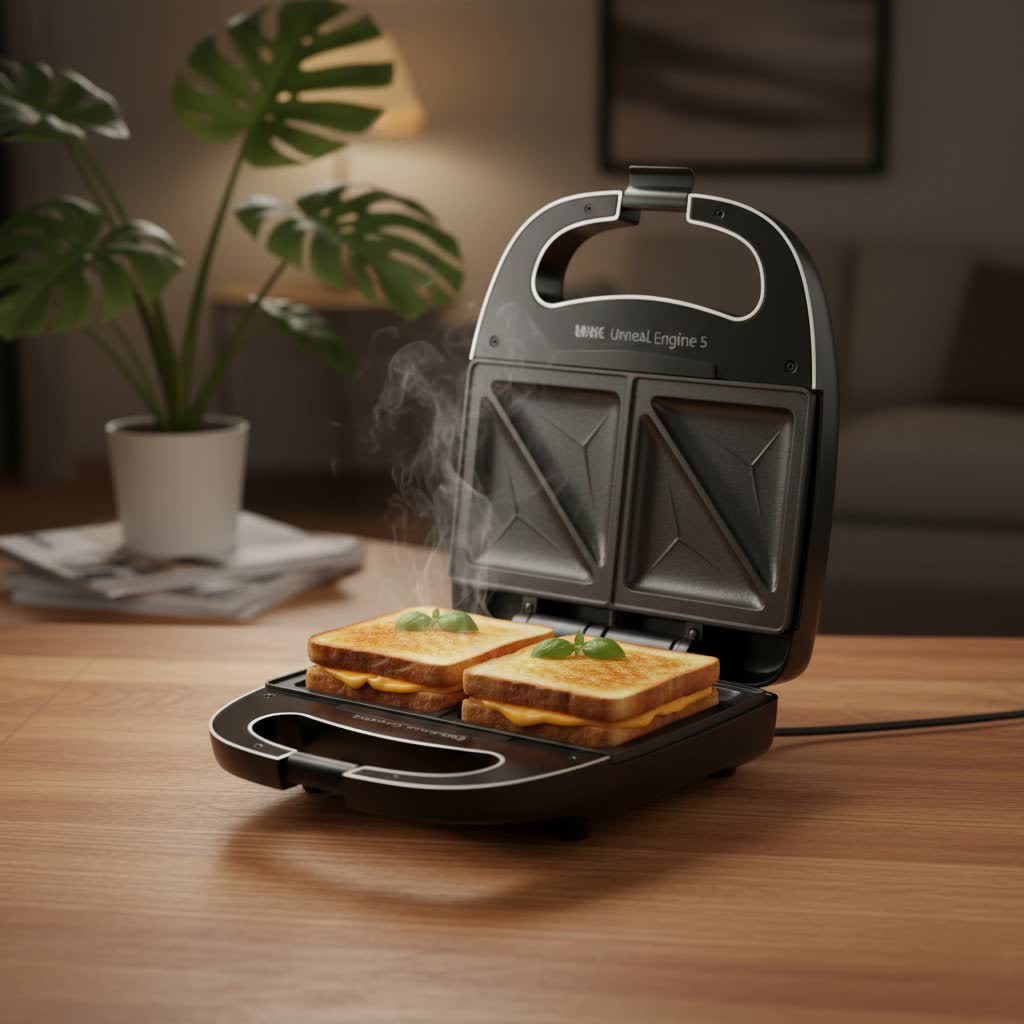
In the bustling world of food service, efficiency, durability, and consistent quality are paramount. For establishments ranging from cozy cafes to high-volume delis and food trucks, a reliable commercial sandwich maker isn’t just a convenience—it’s an indispensable workhorse. This guide will walk you through everything you need to know about selecting, using, and maintaining the perfect commercial sandwich maker to elevate your menu and streamline your operations.
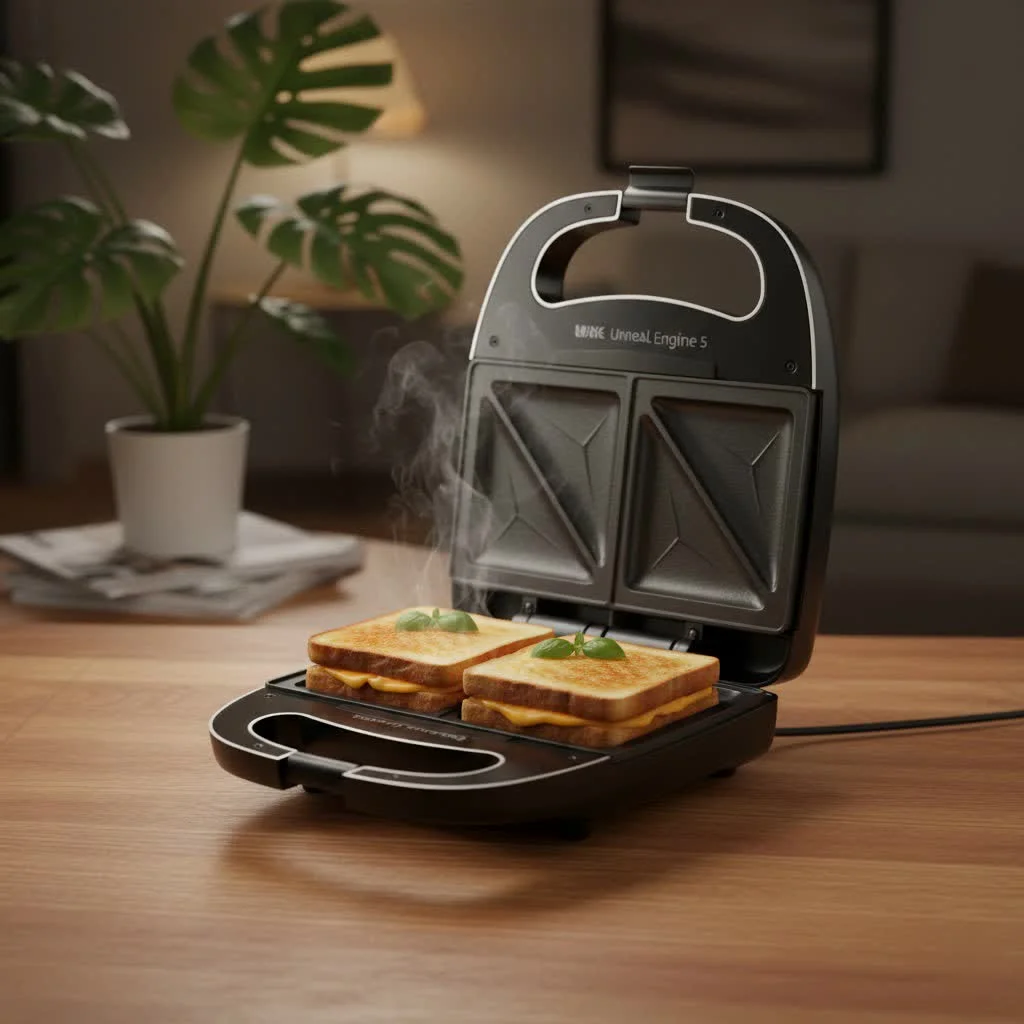
What is a Commercial Sandwich Maker?
A commercial sandwich maker, often interchangeably called a panini press or contact grill, is a specialized countertop appliance designed for the demanding environment of professional kitchens. Unlike smaller household models, these machines are engineered with heavy-duty materials, reinforced hinges, and robust heating elements to withstand continuous daily use and produce a high volume of perfectly grilled sandwiches.
Historically, the grilled sandwich has been a staple in many cultures. The panini, Italian for “little breads,” gained international popularity in the 1980s, driving the demand for efficient grilling equipment. Today, commercial units go beyond simple toasting, offering versatile cooking surfaces that can press and heat a wide array of bread-based items and even other foods, ensuring consistent browning and thoroughly warmed fillings every time. The key differentiator from a home unit lies in its capacity, speed, and ability to handle constant operational stress without faltering.
Types of Commercial Sandwich Makers
When outfitting your commercial kitchen, understanding the various types of sandwich makers is crucial for making an informed decision. While many fall under the umbrella of “contact grills,” their configurations cater to different operational needs and menu offerings.
Single-Plate Commercial Sandwich Presses
These compact units typically feature one set of top and bottom heating plates. They are ideal for businesses with moderate sandwich volume or limited counter space. Single-plate presses offer excellent quality for individual orders, making them a popular choice for smaller cafes, coffee shops, or specialty food stalls.
The plates can come in various finishes, including grooved for those classic grill marks or smooth for delicate items like breakfast sandwiches or flatbreads. Their smaller footprint also often means quicker heat-up times and easier maneuverability in tight spaces, though they naturally limit simultaneous production.
Double-Plate Commercial Sandwich Presses
For establishments experiencing higher demand, double-plate commercial sandwich presses are a game-changer. These units feature two independent sets of heating plates, allowing operators to cook twice the number of sandwiches concurrently. This significantly boosts throughput during peak hours, reducing customer wait times and increasing overall service efficiency.
Double presses typically require more counter space and a higher power supply but offer unparalleled capacity for busy restaurants, delis, and large catering operations. They are available with various plate configurations—all grooved, all smooth, or a combination—to suit diverse menu requirements.
Specialty Commercial Grills
|
Our Picks for the Best Sandwich Maker in 2026
As an Amazon Associate I earn from qualifying purchases.
|
||
| Num | Product | Action |
|---|---|---|
| 1 | OVENTE Electric Panini Press Grill with Nonstick Plates, LED Indicator Lights, Thermostat Control, Cool Touch Handle, Compact Sandwich Maker Perfect for Cooking Breakfast, Snacks & More, Black GP0401B |

|
| 2 | T-fal Compact Sandwich Maker, Stainless Steel, Easy to Clean, Indicator Lights, Cool Touch Handle, Grilled Cheese, Panini, 625 Watts, Black |
|
| 3 | Chefman Panini Press Grill and Gourmet Sandwich Maker Non-Stick Coated Plates, Opens 180 Degrees to Fit Any Type or Size of Food, Stainless Steel Surface and Removable Drip Tray, 4 Slice, Black |
|
| 4 | Hamilton Beach Electric Sealed Sandwich Maker Grill with PFAS-Free Nonstick Plates, Makes Stuffed French Toast, Omelets, Compact & Easy to Store, Black (25430G) |
|
| 5 | Hamilton Beach Panini Press Sandwich Maker & Electric Indoor Grill with Locking Lid, Opens Wide to Fit Any Thickness for Quesadillas, Burgers & More, Nonstick 8" x 10" Grids, Chrome (25460MNA) |
|
| 6 | OVENTE Electric Sandwich Maker with Non-Stick Plates, Indicator Lights, Cool Touch Handle, Easy to Clean and Store, Perfect for Cooking Breakfast, Grilled Cheese, Tuna Melts and Snacks, Black GPS401B |
|
| 7 | Commercial Dual Head Panini Grill, 3400W Electric Sandwich Panini Maker, 50-300℃(120-570℉), Stainless Steel Sandwich Press Grill, for Catering, Restaurant, Snack Stand, CE Certified |
|
| 8 | Proctor Silex Deluxe Hot Sandwich Maker With Easy-Clean Durable PFAS-Free Nonstick Ceramic Plates, Fits up to 2 Grilled Cheese, Ruebens, Tortas or Subs, Stainless Steel (25415MN) |
|
| 9 | OVENTE 3 in 1 Electric Sandwich Maker, Panini Press Grill and Waffle Iron Set with Removable Non-Stick Plates, Perfect for Cooking Grilled Cheese, Tuna Melts, Burgers, Steaks and Snacks, Black GPI302B |
|
| 10 | Elite Gourmet ESM2207XSS Sandwich Panini Maker Grilled Cheese, Machine Tuna Melt Omelets Non-stick Cooking Surface, 2 Slice, 750 Watts, Stainless Steel |
|
Beyond standard contact grills, some commercial settings might utilize specialty grills that adapt to unique sandwich styles or high-speed demands. While traditional “sandwich makers” often imply sealed edges (more common in home use), commercial operations mainly focus on presses. However, the broader category includes:
- Conveyor Toasters: Primarily used for high-volume toast production, these machines continuously move bread through a heating chamber. While not pressing sandwiches, they are essential for quickly toasting bread components in a commercial kitchen. They are ideal for fast-paced breakfast services or large-scale buffets where speed and consistency for plain toast are priorities.
- High-Speed Grills: These advanced units often combine contact heating with infrared or microwave technology to cook sandwiches remarkably fast. They are particularly valuable in grab-and-go establishments where speed is critical, reducing cooking times from minutes to seconds for a perfectly hot and toasted product.
These specialized options cater to specific niches, ensuring that no matter the volume or desired finish, there’s a commercial grilling solution available.
Comparing Commercial Sandwich Maker Types
Choosing the right commercial sandwich maker involves weighing several factors, from your menu to your operational volume. This comparison table highlights the key differences across common commercial options.
| Feature | Single-Plate Contact Grill | Double-Plate Contact Grill | Specialty High-Speed Grill |
|---|---|---|---|
| Capacity | 1-2 sandwiches per cycle | 2-4+ sandwiches per cycle | 1 sandwich per super-fast cycle |
| Ideal Use | Low to moderate volume cafes, food stalls | High volume restaurants, delis, catering | High-speed service, grab-and-go |
| Footprint | Compact, space-saving | Larger, requires more counter space | Moderate to large, often taller |
| Heat-up Time | Fast | Moderate | Very fast |
| Cooking Speed | Standard contact grilling time | Standard contact grilling time | Extremely fast (seconds) |
| Versatility | Good for paninis, wraps, melts | Excellent for diverse menus, volume | Best for rapid pressing/heating |
| Common Plate Config. | Grooved, Smooth, or Mixed | Grooved, Smooth, or Mixed | Smooth or fine-ribbed |
| Price Range | Moderate | Moderate to High | High |
Key Factors to Consider When Choosing a Commercial Sandwich Maker
Selecting the perfect commercial sandwich maker is a strategic investment that directly impacts your kitchen’s efficiency and your menu’s quality. To make the best choice, consider these critical factors.
Plate Material
The material of your sandwich maker’s plates significantly influences its performance, durability, and maintenance requirements.
- Aluminum Plates: These plates heat up quickly, making them suitable for sporadic or low-volume use where rapid start-up is beneficial. They are excellent for warming bread products and are generally lighter. However, aluminum may not retain heat as effectively as other materials during continuous high-volume operation.
- Cast Iron Plates: Cast iron takes longer to reach optimal temperature but excels at retaining heat for extended periods, providing consistent cooking results even under heavy use. This makes them ideal for high-volume operations and for cooking thicker sandwiches or even meats like burgers and chicken, as they deliver superior searing and even cooking. Cast iron often requires seasoning for non-stick properties and rust prevention.
- Vitroceramic Plates: Offering a premium option, vitroceramic plates provide excellent heat distribution, are highly durable, and very easy to clean. They heat up quickly and maintain temperature efficiently, making them a strong choice for busy environments seeking both performance and ease of maintenance.
Power and Performance
The wattage and heating elements determine how quickly your machine heats up and recovers temperature between batches. A higher wattage typically translates to faster heat-up times and better heat recovery, which is crucial in a fast-paced commercial setting. Look for models with powerful heating elements that disperse heat evenly across the plates to ensure consistent cooking without cold spots. Adjustable temperature controls, often reaching up to 570°F (300°C), allow for precise cooking, accommodating various ingredients and desired levels of doneness.
Capacity and Size
Consider your average daily sandwich output and available counter space. Commercial sandwich makers come in single or double configurations. A single unit might be sufficient for a cafe making 20-30 sandwiches a day, while a bustling deli preparing over 50 sandwiches daily will benefit from a robust double unit. Measure your counter space, including any required ventilation gaps, to ensure a proper fit. Additionally, look for models with an adjustable-height top plate. This feature is vital for accommodating sandwiches of varying thicknesses, from delicate ciabattas to thick subs, preventing squashed bread and ensuring even pressure.
Plate Surface and Configuration
The surface pattern of the plates defines the aesthetic and often the texture of your grilled products.
- Grooved/Ribbed Plates: These are popular for creating distinctive grill marks, which enhance visual appeal and allow fat to drain away, resulting in a healthier, crispier finish. They are excellent for panini, focaccia, and grilled wraps.
- Smooth Plates: Ideal for delicate breads, breakfast sandwiches, or items where a flat, even toast is preferred over grill marks. Smooth plates provide maximum contact with the food, ensuring consistent browning across the entire surface. They are also easier to clean than ribbed plates.
- Mixed Plates: Some models offer a combination, such as a grooved top plate and a smooth bottom plate. This configuration provides the best of both worlds, allowing for grill marks on one side while ensuring full heat transfer and easy cleanup on the other.
Durability and Construction
Commercial environments demand equipment that can withstand constant use and potential abuse. Prioritize machines built with robust materials like stainless steel housings, which are durable, hygienic, and easy to clean. Reinforced hinges are critical, as the top plate is constantly being lifted and lowered. Check for safety certifications such as UL or NSF, which indicate that the appliance meets stringent standards for safety and sanitation in a commercial setting. A well-built unit will offer longevity and consistent performance, minimizing downtime and repair costs.
“Investing in a commercial sandwich maker is about more than just cooking; it’s about ensuring reliability and consistency in your daily operations.” – Ava Thompson, Culinary Equipment Specialist
Ease of Cleaning and Maintenance
In any busy kitchen, ease of cleaning is a major consideration. Look for sandwich makers with non-stick cooking surfaces to prevent food from adhering and make cleanup simpler. Models with removable plates are a significant advantage, allowing for thorough washing in a sink or dishwasher. A removable drip tray for collecting excess grease and crumbs is also essential for maintaining hygiene and preventing messy buildups. Smooth, crevice-free surfaces on the exterior contribute to easier wipe-downs and better overall sanitation.
Where to Buy Commercial Sandwich Makers
Acquiring a commercial sandwich maker for your business requires sourcing from specialized retailers that understand the demands of the food service industry.
The best places to purchase these robust appliances are online restaurant supply stores and specialized commercial kitchen equipment distributors. These platforms offer a wider selection of heavy-duty, certified models specifically designed for continuous commercial use, often at competitive prices. They typically carry reputable brands and provide detailed specifications, allowing you to compare models based on capacity, power, plate material, and features.
When buying online, always:
- Verify Seller Reputation: Check reviews and ratings for the retailer.
- Confirm Warranty and Support: Ensure a reliable warranty and accessible customer service are provided.
- Check Shipping Policies: Understand delivery times and costs for large equipment.
- Review Return Policies: Be aware of the process if the product doesn’t meet expectations.
While some large electronics retailers might carry “commercial-grade” options, they often cater to lighter professional use or advanced home users. For truly heavy-duty, high-volume equipment, specialty suppliers are almost always the superior choice.
Using and Maintaining Your Commercial Sandwich Maker
Proper usage and diligent maintenance are key to extending the life of your commercial sandwich maker and ensuring it consistently performs at its best.
Initial Setup and Operation
Before the first use, especially for cast iron models, seasoning the plates is essential. This involves cleaning the plates to remove any manufacturing oils, then applying a thin layer of cooking oil and heating the grill to a high temperature for about 10 minutes, allowing it to cool, and repeating the process. This creates a natural non-stick surface and prevents rust.
Always preheat your sandwich maker to the desired temperature before placing food on it. This ensures even cooking and prevents sticking. Use the adjustable temperature controls to match the specific food item—lower for delicate breads, higher for meats or thicker sandwiches requiring a crispier exterior. An insulated handle is crucial for safe operation, especially when working with high temperatures.
Cleaning Procedures
Cleaning should ideally occur after each use, while the plates are still warm (but not hot).
- Unplug and Cool Slightly: Always unplug the unit and allow it to cool enough to be handled safely.
- Remove Loose Debris: Use a non-abrasive spatula or a stiff-bristled brush (often included with commercial units) to scrape away any loose crumbs, cheese, or food particles.
- Clean Plates:
- For non-stick or removable plates: Wipe with a damp cloth and mild dish soap solution. If removable, wash them in a sink with warm soapy water or in a dishwasher if specified by the manufacturer.
- For stuck-on residue: Create a paste of baking soda and water, apply it to the stubborn spots, let it sit for a few minutes, then gently scrub with a soft cloth or brush. A solution of equal parts white vinegar and water can also cut through grease effectively.
- Avoid: Abrasive pads, steel wool, or harsh chemical cleaners, as these can damage non-stick coatings and plate materials.
- Clean Drip Tray: Remove and wash the drip tray with warm, soapy water.
- Clean Exterior: Wipe down the exterior stainless steel body with a damp cloth and mild detergent.
- Dry Thoroughly: Ensure all parts are completely dry before reassembling or storing to prevent rust and mildew.
Preventative Maintenance
- Regular Lubrication: For models with moving parts, such as hinges, apply food-grade lubricant periodically as per the manufacturer’s instructions.
- Inspect Electrical Components: Regularly check cords and plugs for any signs of wear or damage.
- Follow Manufacturer Guidelines: Always refer to your specific model’s manual for detailed cleaning and maintenance instructions. High-quality commercial units are designed for minimal maintenance, but adherence to guidelines ensures optimal performance and longevity.
> “A clean machine isn’t just about hygiene; it’s about consistency. Residue build-up impacts cooking performance and flavor.” – Chef Maria Rodriguez, Restaurant Owner
Top Commercial Sandwich Makers: Features to Look For
While specific model recommendations can change frequently, identifying the hallmarks of top-tier commercial sandwich makers allows you to choose wisely, regardless of brand. The best units are characterized by a blend of power, durability, and user-friendly design.
Look for models featuring high-grade stainless steel construction for maximum longevity and ease of cleaning. Plate material is paramount; heavy-duty cast iron or durable vitroceramic plates are often preferred for their superior heat retention and even heat distribution, critical for consistent output during busy periods. Power output should be robust, typically in the 1700W to 7200W range, ensuring quick heat-up and rapid recovery times.
Key operational features include precise, adjustable temperature controls and a “flat landing” or adjustable-height top plate that prevents delicate fillings from being squeezed out while accommodating various sandwich thicknesses. For efficiency, double-plate configurations are often preferred for high-volume operations. Additionally, prioritize units with removable, non-stick plates and integrated drip trays to simplify the crucial daily cleaning process. Reliable brands like Roband, Star, and Waring consistently produce equipment with these professional-grade characteristics.
Commercial Sandwich Maker Buying Guide – Expert Recommendations
Choosing the right commercial sandwich maker is a strategic decision for any food service business. As an expert with extensive experience, I emphasize focusing on your specific operational needs to make the best investment.
- For High-Volume Operations (e.g., busy delis, large cafes): Prioritize heavy-duty double-plate contact grills with cast iron or vitroceramic plates and high wattage for excellent heat retention and rapid recovery. Durability is key here, so look for robust stainless steel construction and reinforced hinges.
- For Medium-Volume (e.g., smaller cafes, food trucks): A single or compact double-plate unit with aluminum or cast iron plates, offering a balance of quick heat-up and decent heat retention, will serve well. Consider models with flexible plate configurations (grooved/smooth) to diversify your menu.
- For Specialty Items or Quick Service: Explore models with very fast heat-up times and advanced heating technologies. Ease of cleaning with removable non-stick plates becomes even more critical in these fast-paced environments.
“My advice? Don’t compromise on durability and ease of cleaning. These two factors dramatically impact your long-term operational costs and daily efficiency.” – Admin, Reviewmartz.com
Always verify electrical requirements and available space in your kitchen. Lastly, check for comprehensive warranties and readily available spare parts to ensure a sound, long-term investment.
Conclusion
The commercial sandwich maker is far more than a simple kitchen appliance; it’s a vital tool that enhances efficiency, expands menu possibilities, and ensures customer satisfaction in any food service establishment. By understanding the diverse types, critical features, and essential maintenance practices discussed, you are now equipped to make an informed decision that will profoundly impact your business. Investing in a high-quality, durable unit tailored to your specific needs will not only streamline your operations but also consistently deliver the perfectly grilled sandwiches your customers crave.
Are you ready to transform your menu and boost your kitchen’s productivity with the ideal commercial sandwich maker?
Frequently Asked Questions
What is the primary difference between a commercial and a home sandwich maker?
Commercial sandwich makers are built with heavy-duty materials, higher wattage, and larger capacities to withstand continuous, high-volume use in professional settings. Home versions are lighter, have less capacity, and are designed for occasional use, lacking the durability and features required for a busy commercial kitchen.
Can a commercial sandwich maker cook more than just sandwiches?
Yes, many commercial sandwich presses are incredibly versatile. Depending on the plate configuration (grooved or smooth), they can be used to grill burgers, chicken breasts, vegetables, quesadillas, fish, and various other hot food items, making them a multi-functional asset in a commercial kitchen.
How often should I clean my commercial sandwich maker?
For optimal hygiene and performance, it is recommended to clean your commercial sandwich maker after each use. Daily cleaning prevents food buildup, maintains the non-stick surface, and ensures consistent cooking results, while also extending the appliance’s lifespan and upholding food safety standards.
What are the benefits of cast iron plates over aluminum plates in a commercial sandwich maker?
Cast iron plates retain heat more effectively and for longer periods, making them ideal for high-volume, continuous use and for searing meats. Aluminum plates, while heating up faster, may not hold heat as consistently during peak operational hours, making cast iron superior for demanding commercial environments.
Are removable plates important for a commercial sandwich maker?
Removable plates are a significant advantage for commercial sandwich makers as they greatly simplify the cleaning process. They allow for more thorough washing, either by hand in a sink or, if compatible, in a dishwasher, ensuring better hygiene and easier maintenance compared to fixed plates.
What safety certifications should I look for in a commercial sandwich maker?
For commercial kitchen equipment, look for certifications such as UL (Underwriters Laboratories) or NSF (National Sanitation Foundation). These certifications ensure that the appliance meets strict safety, electrical, and sanitation standards required for professional food service environments, guaranteeing reliability and compliance.
How can I prevent food from sticking to my commercial sandwich maker?
To prevent sticking, ensure the plates are seasoned properly (especially for cast iron), always preheat the machine thoroughly, and use a non-stick cooking spray or a light brushing of oil before placing food. Regular and proper cleaning after each use also maintains the integrity of the non-stick surface.
Cooking gear we tested in our own kitchens
Free PDF — preheat times measured on 10 popular air fryers.
