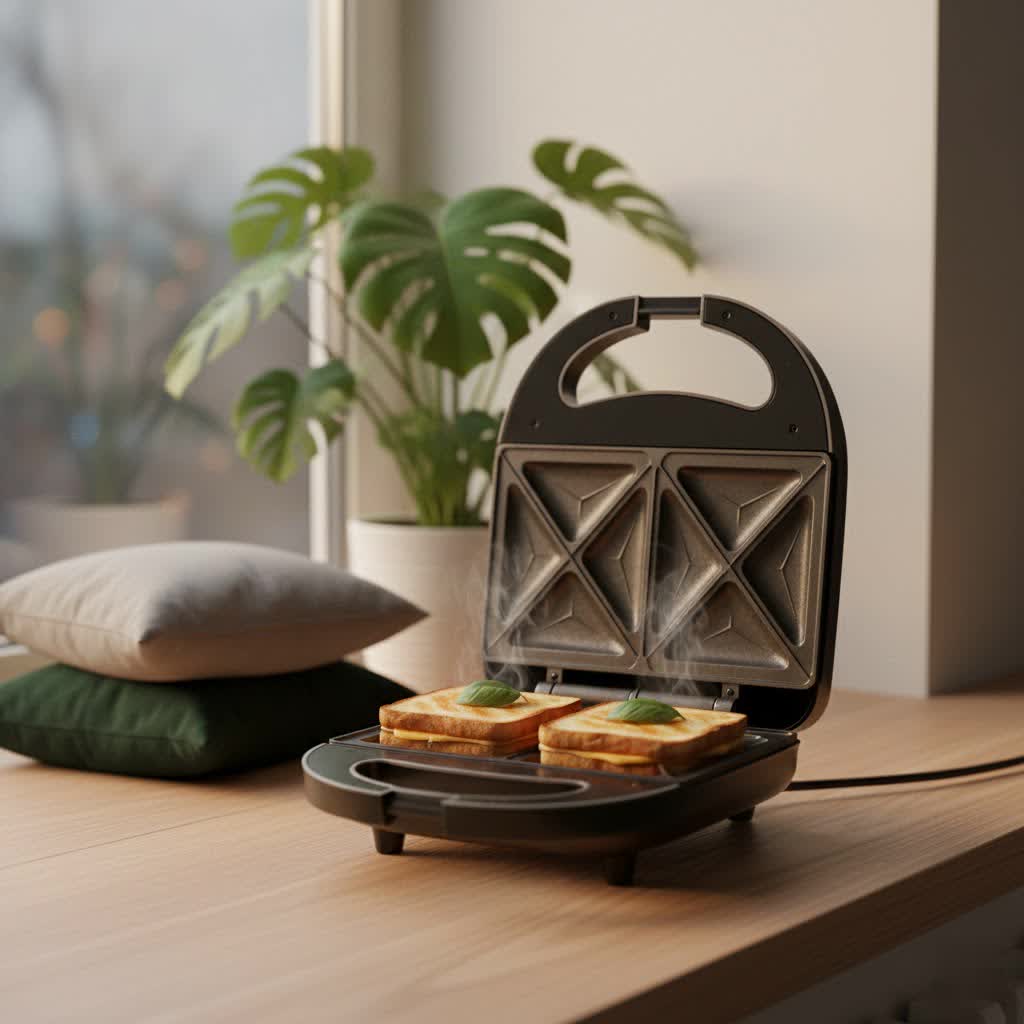
Are you tired of messy, unevenly cooked sandwiches that leave your kitchen in disarray? Imagine a world where every toasted sandwich is perfectly sealed, with a warm, gooey filling and crisp, golden-brown edges. This isn’t a dream; it’s the reality offered by the humble yet ingenious triangle sandwich maker. This guide will walk you through everything you need to know about these essential kitchen appliances, from their unique design benefits to how to choose, use, and care for the ideal model for your home.
What is a Sandwich Maker?
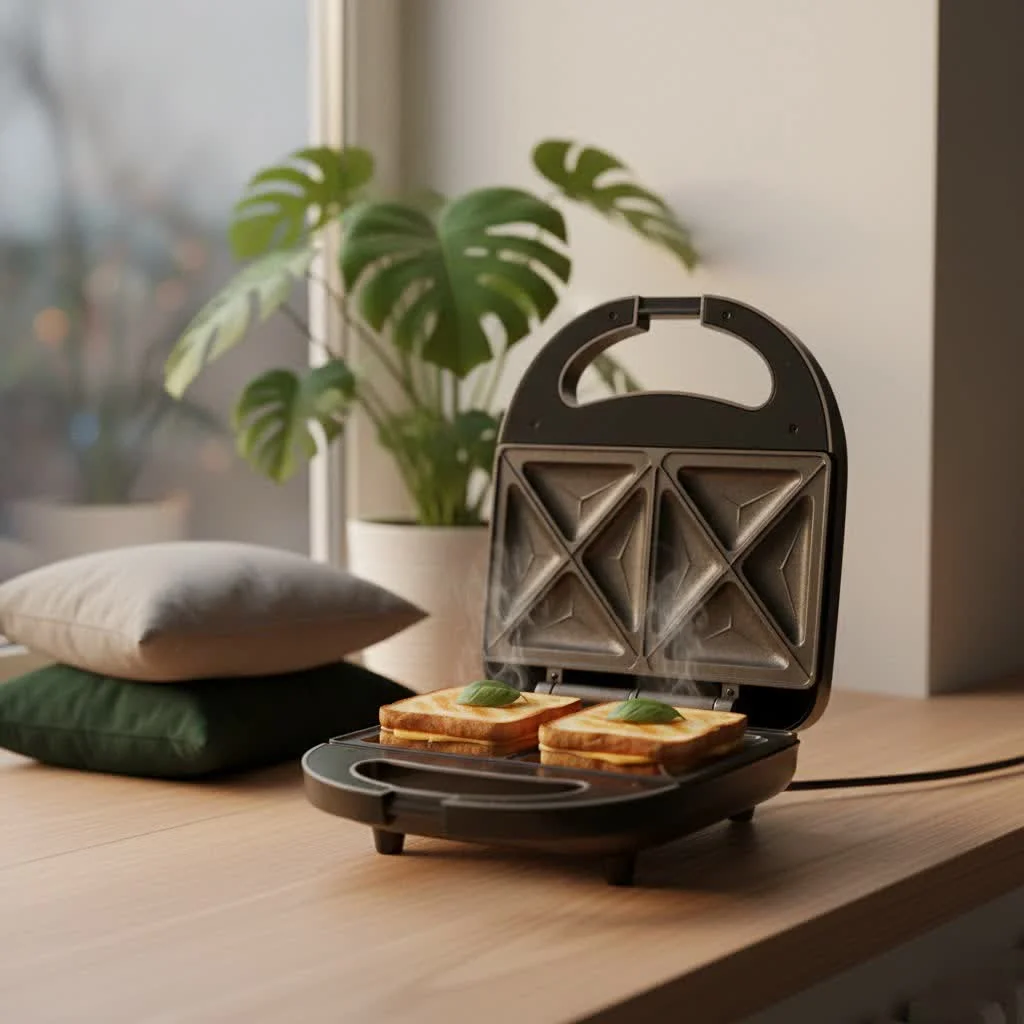
At its core, a sandwich maker is a countertop appliance designed to toast and seal sandwiches, creating a hot, often crispy, culinary delight. It typically features two hinged plates that heat up, pressing together to cook the sandwich evenly from both sides. While many variations exist, the classic design, and arguably the most beloved, is the one that produces distinct triangle-shaped sandwiches.
The history of the sandwich maker, or toastie maker as it’s often called, traces back to the mid-20th century. Born out of a desire for quick, convenient hot meals, these appliances quickly became a staple in kitchens worldwide. The triangular design, in particular, gained immense popularity due to its practical advantages and appealing presentation.
Why the Triangle Shape?
You might wonder why so many sandwich makers create that iconic triangle shape when most bread slices are square. This distinctive design isn’t just for aesthetics; it serves several crucial functional purposes.
First, the diagonal dividers actively seal the edges of your sandwich, effectively locking in all the delicious fillings. This prevents the dreaded “hot lava” effect where melted cheese or other ingredients ooze out, making for a cleaner eating experience and a less messy appliance to clean. Without this seal, fillings can concentrate in the center, leading to an inconsistent and soggy sandwich that’s difficult to manage.
Second, the triangular cuts create bite-sized portions that are far easier to handle and eat, especially for children. These smaller, manageable pieces are also perfect for dipping into soups or sauces. Beyond practicality, the neat, compact triangles offer a visually appealing presentation, transforming a simple sandwich into something special. This design choice has been so effective that it’s become an industry standard, with many manufacturers adopting similar plate configurations.
Popular Types of Sandwich Makers
While our focus is on the beloved triangle shape, it’s important to understand where these fit within the broader category of sandwich makers. Broadly, they can be categorized into three main types:
Classic Triangle Sandwich Maker (Sealed)
|
Our Picks for the Best Sandwich Maker in 2026
As an Amazon Associate I earn from qualifying purchases.
|
||
| Num | Product | Action |
|---|---|---|
| 1 | Proctor Silex Deluxe Hot Sandwich Maker With Easy-Clean Durable PFAS-Free Nonstick Ceramic Plates, Fits up to 2 Grilled Cheese, Ruebens, Tortas or Subs, Stainless Steel (25415MN) |

|
| 2 | OVENTE Electric Sandwich Maker with Non-Stick Plates, Indicator Lights, Cool Touch Handle, Easy to Clean and Store, Perfect for Cooking Breakfast, Grilled Cheese, Tuna Melts and Snacks, Black GPS401B |
|
| 3 | Elite Gourmet ESM2207XSS Sandwich Panini Maker Grilled Cheese, Machine Tuna Melt Omelets Non-stick Cooking Surface, 2 Slice, 750 Watts, Stainless Steel |
|
| 4 | OVENTE 3 in 1 Electric Sandwich Maker, Panini Press Grill and Waffle Iron Set with Removable Non-Stick Plates, Perfect for Cooking Grilled Cheese, Tuna Melts, Burgers, Steaks and Snacks, Black GPI302B |
|
| 5 | Hamilton Beach Panini Press Sandwich Maker & Electric Indoor Grill with Locking Lid, Opens Wide to Fit Any Thickness for Quesadillas, Burgers & More, Nonstick 8" x 10" Grids, Chrome (25460MNA) |
|
| 6 | Commercial Dual Head Panini Grill, 3400W Electric Sandwich Panini Maker, 50-300℃(120-570℉), Stainless Steel Sandwich Press Grill, for Catering, Restaurant, Snack Stand, CE Certified |
|
| 7 | Chefman Panini Press Grill and Gourmet Sandwich Maker Non-Stick Coated Plates, Opens 180 Degrees to Fit Any Type or Size of Food, Stainless Steel Surface and Removable Drip Tray, 4 Slice, Black |
|
| 8 | OVENTE Electric Panini Press Grill with Nonstick Plates, LED Indicator Lights, Thermostat Control, Cool Touch Handle, Compact Sandwich Maker Perfect for Cooking Breakfast, Snacks & More, Black GP0401B |
|
| 9 | Hamilton Beach Electric Sealed Sandwich Maker Grill with PFAS-Free Nonstick Plates, Makes Stuffed French Toast, Omelets, Compact & Easy to Store, Black (25430G) |
|
| 10 | T-fal Compact Sandwich Maker, Stainless Steel, Easy to Clean, Indicator Lights, Cool Touch Handle, Grilled Cheese, Panini, 625 Watts, Black |
|
This is the quintessential “toastie maker” that carves your sandwich into two perfectly sealed triangles. These appliances are specifically designed to crisp the bread, melt the fillings, and, most importantly, create those characteristic sealed edges that prevent spillage.
- Pros: Excellent for preventing leaks, creates neat, portable, bite-sized portions, easy to use for quick meals.
- Cons: Limited to a specific sandwich shape, sometimes challenging with oversized bread or very thick fillings if not “deep-fill” models.
- Best for: Anyone who loves classic toasted sandwiches with gooey, contained fillings like grilled cheese, tuna melts, or sweet dessert toasties. Perfect for families, quick snacks, and mess-free enjoyment.
Grill Sandwich Maker (Panini Press)
Grill-style sandwich makers, often called panini presses, typically feature flat or ridged plates that press and grill the entire sandwich without sealing the edges. They apply direct heat and pressure, resulting in a crispy exterior and warm interior.
- Pros: Versatile for various bread types and sandwich sizes, can also grill other foods like chicken, vegetables, or burgers.
- Cons: Does not seal fillings, which can lead to messier eating with runny ingredients.
- Best for: Those who prefer larger, unsealed grilled sandwiches, open-faced melts, or desire an appliance with broader grilling capabilities beyond just sandwiches.
Multi-Functional Sandwich Maker
These versatile appliances come with interchangeable plates, allowing you to switch between triangle sandwich plates, flat grill plates, and sometimes even waffle plates.
- Pros: Highly versatile, saves counter space by combining multiple appliances into one, caters to diverse culinary needs.
- Cons: Can be more expensive than single-function models, plate swapping might be a minor inconvenience for some.
- Best for: Enthusiastic home cooks who want maximum flexibility from a single appliance, enjoy experimenting with different hot snacks and meals, and appreciate the option of triangle-sealed sandwiches alongside grilled items and waffles.
Comparison Table: Choosing Your Perfect Sandwich Maker
| Feature / Type | Classic Triangle Sandwich Maker | Grill Sandwich Maker (Panini Press) | Multi-Functional Sandwich Maker |
|---|---|---|---|
| Primary Function | Toasts and seals sandwiches into triangles, containing fillings. | Grills and presses sandwiches (and other foods) without sealing. | Offers interchangeable plates for various functions (triangle, grill, waffle). |
| Sandwich Shape | Always sealed triangles. | Flat or ridged, no sealed edges. | Can create sealed triangles, flat/ridged grilled sandwiches, and more. |
| Mess Prevention | Excellent; seals fillings securely. | Moderate; fillings can ooze out. | Excellent with triangle plates; moderate with grill plates. |
| Versatility | Limited to sealed sandwiches. | High; suitable for various breads, meats, vegetables. | Very high; acts as multiple appliances in one. |
| Ease of Cleaning | Generally easy, especially with non-stick. | Easy, especially with flat non-stick plates; ridged can be trickier. | Varies by plate type; removable, dishwasher-safe plates are a plus. |
| Price Range | Typically budget-friendly to mid-range. | Budget-friendly to high-end. | Often mid-range to high-end due to extra plates. |
| Ideal User | Families, individuals craving classic, mess-free toasties. | Those needing a versatile grill for sandwiches and other foods. | Culinary enthusiasts, small kitchens wanting an all-in-one solution. |
Essential Criteria for Choosing a Triangle Sandwich Maker
Selecting the right triangle sandwich maker can elevate your snack game. Consider these key criteria to ensure you find an appliance that perfectly fits your needs:
Material and Build Quality
The durability and safety of your sandwich maker depend heavily on its construction. Prioritize models with:
- Non-stick coating: This is paramount for easy food release and hassle-free cleaning. Look for PFOA-free coatings for health safety.
- Housing: Brushed stainless steel or high-quality, heat-resistant plastic are common. Stainless steel often offers greater durability and a more premium look.
- Sturdy latch: A strong locking latch ensures the plates press together firmly, creating a better seal and preventing accidental opening during cooking.
- BPA-free: Ensure any plastic components that might come into contact with food are BPA-free for peace of mind.
Power (Wattage)
The wattage of a sandwich maker indicates its heating power and speed.
- Higher wattage (700-900W+): Generally means faster preheating and quicker cooking times, leading to consistently crispier results. A 750W element, for instance, can work quickly and evenly.
- Lower wattage: Might take longer to heat up and cook, potentially leading to less even browning.
Match the wattage to your lifestyle. If you need quick breakfast solutions, a higher wattage model will be more efficient.
Size and Design
Consider your kitchen space and aesthetic preferences:
- Compact size: Many triangle sandwich makers are designed for small kitchens, dorm rooms, or even camping. Look for models that can be stored upright to save counter or cabinet space.
- Number of sandwiches: Most models make two triangle sandwiches at a time, but some larger units can make four, catering to bigger families or entertaining.
- Aesthetics: Modern designs often feature sleek finishes (e.g., black or stainless steel) that look stylish on any countertop.
Supplementary Features
Modern triangle sandwich makers often come with thoughtful additions that enhance convenience and safety:
- Indicator lights: “Power” and “Ready” lights are essential. The “Ready” light tells you when the appliance is preheated and when your sandwich is cooked to perfection.
- Cool-touch handle: Ensures safe operation, allowing you to open and close the maker without risking burns.
- Cord wrap: A feature that helps keep your countertop tidy and makes storage more organized.
- Removable plates: While less common on traditional triangle makers, some multi-functional models offer removable plates that are dishwasher safe, making cleanup even easier.
- Deep-fill capacity: For those who love generously filled sandwiches, “deep-fill” models accommodate more ingredients without squishing.
Where to Purchase Your Triangle Sandwich Maker
Finding the right triangle sandwich maker is easier than ever with numerous retail options.
Reputable Appliance Stores
Visiting physical stores allows you to see the product firsthand, compare sizes, materials, and designs. You can also get immediate advice from sales associates. Brands like Breville, Cuisinart, and George Foreman are commonly found here.
Online Retailers
Online platforms offer an unparalleled selection, often with competitive pricing and detailed customer reviews. Websites like Amazon, official brand sites (e.g., Elite Gourmet), and large electronics retailers (e.g., Macy’s) are excellent starting points.
- Pros of Online Shopping: Wider selection, often better prices, convenient home delivery, access to numerous customer reviews and ratings.
- Cons of Online Shopping: Cannot physically inspect the product, potential for shipping delays or damages, returns can be less straightforward.
Important Considerations for Online Purchases:
- Read reviews: Pay close attention to feedback regarding durability, non-stick quality, ease of cleaning, and how well it seals sandwiches.
- Check warranty and return policies: Understand the terms in case the product doesn’t meet your expectations.
- Verify seller reputation: Purchase from trusted sellers to avoid counterfeit products or poor customer service.
Guide to Using and Cleaning Your Triangle Sandwich Maker
Using a triangle sandwich maker is incredibly straightforward, making it perfect for quick meals. Proper care will also ensure its longevity.
How to Use Your Sandwich Maker Safely and Effectively:
- Preheat: Plug in your sandwich maker and close the lid. The power indicator light (usually red) will come on. Allow it to preheat until the “ready” indicator light (often green) illuminates, signaling it’s at optimal cooking temperature. This usually takes a few minutes.
- Prepare your bread: Lightly butter or oil the outer sides of your bread slices. While some non-stick coatings allow you to skip this step, it often helps achieve a crispier exterior and enhances the non-stick performance.
- Assemble the sandwich: Place one slice of buttered bread onto the bottom plate, buttered side down. Add your desired fillings (cheese, ham, tuna, veggies) in the center, ensuring they don’t overfill or extend past the bread’s edges to avoid mess. Place the second slice of bread on top, buttered side up.
- Cook: Carefully close the lid, ensuring the locking latch engages to press the sandwich firmly. The “ready” light might go off as the appliance heats the cooler sandwich, then relight when it reaches temperature again.
- Monitor & Remove: Cook for approximately 3-5 minutes, or until the “ready” light comes on again and your sandwich is golden brown and sealed. Use a wooden or heat-resistant plastic spatula to carefully remove the hot sandwich to avoid damaging the non-stick surface.
- Cool Down: Unplug the appliance and leave the lid open to cool completely before cleaning.
Proper Cleaning and Maintenance:
- Always cool down: Never attempt to clean a hot sandwich maker. Allow it to cool down completely to prevent burns and damage to the non-stick coating.
- Wipe clean: For most non-stick plates, a simple wipe with a damp, soft cloth or paper towel is sufficient. Remove any stuck-on food gently with a plastic spatula or sponge. Avoid abrasive scrubbers or metal utensils, as these can scratch the non-stick surface.
- Deep cleaning (if applicable): If your model has removable plates, you can often wash them in warm, soapy water or place them in the dishwasher (check manufacturer instructions).
- Exterior: Wipe the exterior housing with a damp cloth.
- Storage: Once clean and dry, store your sandwich maker upright if it has this feature, or in a dry cabinet. Utilize any cord wrap features to keep it neat.
Top Triangle Sandwich Maker Models (Overview)
While specific models and prices fluctuate, several brands consistently deliver excellent triangle sandwich makers, each with unique advantages:
- Breville: Known for robust construction and often “deep-fill” capabilities, accommodating more generous fillings. Their models often focus on even heat distribution and durable non-stick plates.
- Snailar Triangle Sandwich Maker: An example of a popular model featuring 750W for quick and even cooking, excellent sealing capabilities to prevent spillage, helpful indicator lights, and a cool-touch handle. Its compact size and easy-clean non-stick plates make it a user favorite.
- Elite Gourmet 2 Slice Cool-Touch Sandwich & Snack Maker: This type emphasizes compact design, making it ideal for small spaces. It also features non-stick plates, indicator lights, and a cool-touch locking handle for safety and convenience, often making four triangle sandwiches at a time.
- Sunbeam: Offers various models, some with “Turbo Crunch” features for extra crispiness and DuraCeramic coatings for easy cleaning.
When considering a purchase, look for these common features and read recent user reviews to find the best fit for your budget and needs.
Buying Guide: Selecting Your Ideal Triangle Sandwich Maker
Choosing the perfect triangle sandwich maker comes down to balancing your lifestyle, cooking habits, and budget with the key features available.
-
Assess Your Needs:
- How often will you use it? For daily use, invest in durability and higher wattage. For occasional treats, a basic model might suffice.
- How many sandwiches at once? Most make two, but some make four if you’re feeding a crowd.
- What fillings do you love? If you prefer generous fillings, prioritize “deep-fill” models.
-
Prioritize Key Features:
- Non-stick plates: Absolutely essential for easy cleaning and food release.
- Wattage: Aim for 700W or higher for efficient cooking.
- Safety features: Cool-touch handle and a secure locking latch are non-negotiable.
- Indicator lights: Take the guesswork out of preheating and cooking.
-
Consider Size and Storage:
- If kitchen space is limited, a compact model with upright storage and a cord wrap is a game-changer.
-
Read Reviews and Compare Brands:
- Leverage online reviews for real-world insights into performance and durability. Brands like Breville, Snailar, and Elite Gourmet are often well-regarded for their triangle sandwich makers.
-
Set Your Budget:
- You can find excellent triangle sandwich makers across various price points. Determine what you’re willing to spend, keeping in mind that higher quality often comes with a slightly higher price but can offer greater longevity and better performance.
Conclusion
The triangle sandwich maker is more than just a kitchen gadget; it’s a gateway to quick, delicious, and perfectly contained meals. By understanding its unique design advantages, exploring the different types, and considering essential buying criteria, you’re now equipped to choose the best model for your home. From classic grilled cheese to innovative dessert pockets, the possibilities are endless once you master this versatile appliance. So, are you ready to transform your ordinary bread and fillings into extraordinary, mess-free toastie masterpieces?
Frequently Asked Questions
How long does it typically take to cook a sandwich in a triangle sandwich maker?
Most triangle sandwich makers will cook a sandwich to golden perfection in about 3 to 5 minutes once preheated. The exact time can vary depending on the appliance’s wattage, the thickness of your bread, and the type of fillings you use. Always look for the “ready” indicator light or check for desired crispiness.
Can I make more than just sandwiches in a triangle sandwich maker?
While designed for sandwiches, many users get creative! You can often make small omelets, French toast, quesadillas, or even some fruit-filled pastries. Just ensure the ingredients are suitable for grilling and won’t damage the non-stick plates or create excessive spills.
Is it safe to put a lot of filling in a triangle sandwich maker?
It’s best to avoid overfilling your sandwich maker. While some “deep-fill” models accommodate more, excessive filling can prevent the plates from closing properly, lead to uneven cooking, and cause fillings to spill out and burn on the appliance, making cleanup difficult. Stick to reasonable portions to ensure a good seal and even heating.
How do I prevent my sandwiches from sticking to the plates?
Even with non-stick coatings, lightly buttering or oiling the outer sides of your bread before placing it in the preheated maker can help prevent sticking and achieve a crispier crust. Always ensure the plates are clean and intact, as damaged non-stick surfaces are more prone to sticking.
Can I clean the plates of my triangle sandwich maker in the dishwasher?
Most traditional triangle sandwich makers do not have removable plates and should not be submerged in water or put in a dishwasher. Instead, wipe the cooled non-stick plates with a damp, soft cloth. Some multi-functional models, however, do feature removable, dishwasher-safe plates. Always check your specific model’s instruction manual.
Cooking gear we tested in our own kitchens
Free PDF — preheat times measured on 10 popular air fryers.
