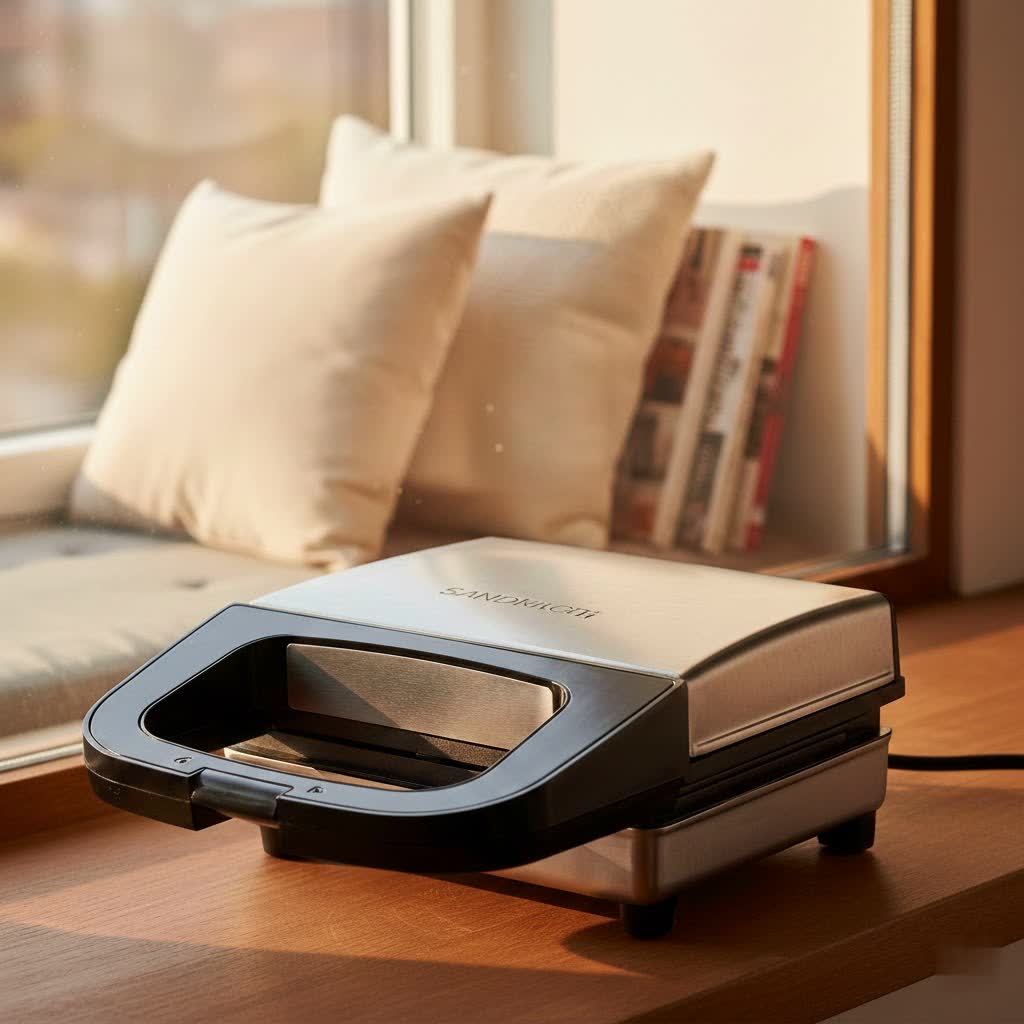
Do you ever find yourself craving a perfectly sealed, crispy sandwich that holds all its gooey filling without a single escape? Many of us cherish those nostalgic memories of perfectly toasted pockets, whether from a campfire, a classic diner, or a cozy kitchen. The flying saucer sandwich maker is more than just a kitchen gadget; it’s a gateway to these delightful culinary experiences, transforming ordinary ingredients into extraordinary, mess-free meals. This guide will navigate you through everything you need to know about these unique appliances, from their rich history to choosing the best one for your home.
What is a Flying Saucer Sandwich Maker?
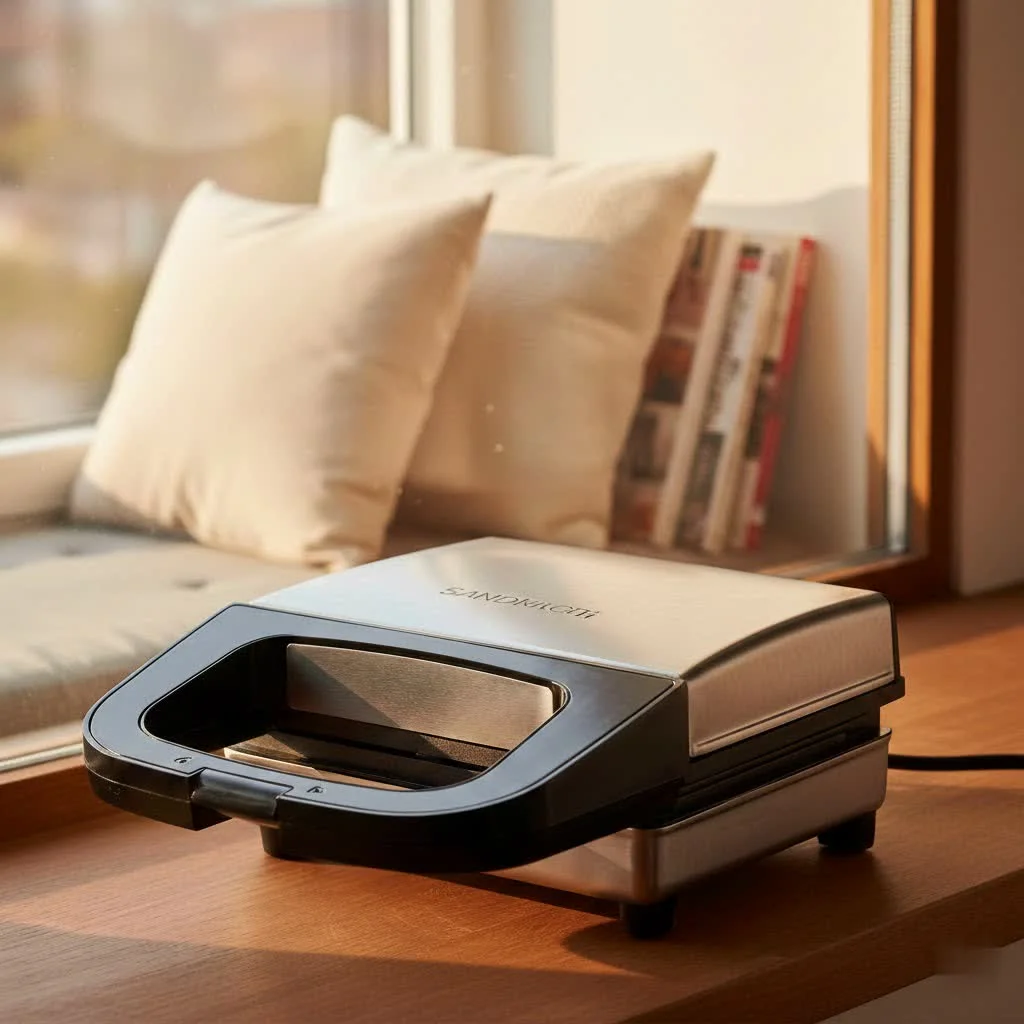
At its core, a flying saucer sandwich maker is a specialized appliance designed to toast and seal the edges of two slices of bread, creating a distinctive, round, pocket-like sandwich. The name “flying saucer” comes from the iconic circular shape and sealed crusts that encapsulate the filling, reminiscent of a UFO. Unlike typical panini presses or square sandwich toasters, these makers are engineered to crimp and cut the bread, ensuring that every bite is warm, crispy, and brimming with flavor, without the worry of fillings spilling out. For explore our home kitchen reviews on this site.
The origins of this ingenious gadget trace back to the 1940s with the invention of the Toas-Tite pie iron. This original design quickly became a beloved staple in American homes, renowned for its simple yet effective clamshell mechanism. It offered a fun and practical way to make hot, sealed sandwiches, becoming synonymous with camping trips, backyard cookouts, and quick, satisfying meals. Over time, these unique sandwiches even gained cultural significance, known as “flying saucers” in places like Kauai, Hawaii, or “Space Burgers” at the 1962 Seattle World’s Fair, cementing their place in culinary history.
Exploring Types of Flying Saucer Sandwich Makers
While the spirit of the flying saucer sandwich remains consistent, the mechanisms for achieving it have evolved. Understanding the different types available will help you choose the right maker for your cooking style and needs.
Classic Pie Iron Style (Traditional Flying Saucer Makers)
The classic pie iron embodies the original flying saucer sandwich maker experience. These are typically two hinged metal plates, often made of cast iron or aluminum, attached to long handles.
- Description: Featuring a clamshell design with a circular cavity, these irons are designed to perfectly cut and seal bread into a round pocket.
- Heating Method: They require an external heat source, making them ideal for cooking over campfires, gas stoves, outdoor grills, or even stovetop burners.
- Pros: Exceptional durability and longevity (especially cast iron models), portability for outdoor adventures, and the ability to impart a unique smoky flavor when used over an open flame. They offer a nostalgic charm and are relatively easy to clean if seasoned properly.
- Cons: Less precise heat control compared to electric models, requiring more attention during cooking. Not suitable for indoor electric-only kitchens.
- Who it’s for: Campers, outdoor cooking enthusiasts, those who appreciate a hands-on, traditional cooking method, and anyone seeking a taste of nostalgia.
Electric Sandwich Makers (Modern Adaptations)
|
Our Picks for the Best Sandwich Maker in 2026
As an Amazon Associate I earn from qualifying purchases.
|
||
| Num | Product | Action |
|---|---|---|
| 1 | T-fal Compact Sandwich Maker, Stainless Steel, Easy to Clean, Indicator Lights, Cool Touch Handle, Grilled Cheese, Panini, 625 Watts, Black |

|
| 2 | OVENTE Electric Panini Press Grill with Nonstick Plates, LED Indicator Lights, Thermostat Control, Cool Touch Handle, Compact Sandwich Maker Perfect for Cooking Breakfast, Snacks & More, Black GP0401B |
|
| 3 | Chefman Panini Press Grill and Gourmet Sandwich Maker Non-Stick Coated Plates, Opens 180 Degrees to Fit Any Type or Size of Food, Stainless Steel Surface and Removable Drip Tray, 4 Slice, Black |
|
| 4 | Hamilton Beach Panini Press Sandwich Maker & Electric Indoor Grill with Locking Lid, Opens Wide to Fit Any Thickness for Quesadillas, Burgers & More, Nonstick 8" x 10" Grids, Chrome (25460MNA) |
|
| 5 | OVENTE Electric Sandwich Maker with Non-Stick Plates, Indicator Lights, Cool Touch Handle, Easy to Clean and Store, Perfect for Cooking Breakfast, Grilled Cheese, Tuna Melts and Snacks, Black GPS401B |
|
| 6 | Commercial Dual Head Panini Grill, 3400W Electric Sandwich Panini Maker, 50-300℃(120-570℉), Stainless Steel Sandwich Press Grill, for Catering, Restaurant, Snack Stand, CE Certified |
|
| 7 | OVENTE 3 in 1 Electric Sandwich Maker, Panini Press Grill and Waffle Iron Set with Removable Non-Stick Plates, Perfect for Cooking Grilled Cheese, Tuna Melts, Burgers, Steaks and Snacks, Black GPI302B |
|
| 8 | Hamilton Beach Electric Sealed Sandwich Maker Grill with PFAS-Free Nonstick Plates, Makes Stuffed French Toast, Omelets, Compact & Easy to Store, Black (25430G) |
|
| 9 | Elite Gourmet ESM2207XSS Sandwich Panini Maker Grilled Cheese, Machine Tuna Melt Omelets Non-stick Cooking Surface, 2 Slice, 750 Watts, Stainless Steel |
|
| 10 | Proctor Silex Deluxe Hot Sandwich Maker With Easy-Clean Durable PFAS-Free Nonstick Ceramic Plates, Fits up to 2 Grilled Cheese, Ruebens, Tortas or Subs, Stainless Steel (25415MN) |
|
In response to the demand for indoor convenience, some modern electric sandwich makers aim to replicate the sealed, pocket-style sandwich, though not always in the exact “flying saucer” round shape. These are countertop appliances designed for ease of use in a kitchen.
- Description: While often square or rectangular, some compact electric models feature plates that crimp and seal the edges, creating a contained pocket for fillings. A true electric “flying saucer” with perfect round seals for home use is less common than the traditional pie iron, but multi-functional electric presses can sometimes achieve a similar sealed-edge effect.
- Heating Method: Plugs into a standard electrical outlet for quick, consistent heating.
- Pros: Convenience, precise temperature control (many have indicator lights), faster cooking times, and no need for an external flame. They are perfect for daily use in any kitchen.
- Cons: Lacks the rustic charm and campfire versatility of pie irons. Cleaning can be tricky if plates are not removable and non-stick coating wears down.
- Who it’s for: Busy home cooks, apartment dwellers, and anyone prioritizing speed and simplicity for their toasted sandwiches.
Commercial UFO Burger/Sandwich Makers (Specialized)
For businesses, the “flying saucer” concept takes on a larger, more versatile form. These are robust electric machines designed for high-volume use.
- Description: These heavy-duty presses feature circular heating plates, often used to create sealed ice cream sandwiches, waffles, or specialty round burgers. They are built for consistent output and diverse menu applications.
- Heating Method: Electric, with powerful heating elements and often adjustable temperature controls for precise commercial cooking.
- Pros: High capacity and throughput, exceptional versatility (can handle a wide range of ingredients from ice cream to savory meats), consistent product quality, and durable commercial-grade construction.
- Cons: Significant upfront cost, large footprint, and not practical for home use.
- Who it’s for: Cafes, fast-casual restaurants, food trucks, and other food service businesses looking to offer unique, sealed snack items.
Comparing Flying Saucer Sandwich Makers: A Quick Overview
| Criteria | Classic Pie Iron Style | Electric Sandwich Makers (Home) | Commercial UFO Makers |
|---|---|---|---|
| Primary Shape | Round, sealed pocket | Varies (square, rectangular, some round) | Round, sealed pocket |
| Heating Method | Campfire, gas stove, grill | Electric | Electric |
| Sealing Capability | Excellent, crimped edges | Good (if deep-fill/cut & seal design) | Excellent, industrial seal |
| Portability | High (for outdoor use) | Low (countertop appliance) | Very Low (fixed installation) |
| Price Range | Low to Moderate | Low to Moderate | High (commercial grade) |
| Ease of Cleaning | Moderate (requires seasoning) | Varies (removable plates are best) | Moderate to High (non-stick, robust) |
| Best Use Case | Camping, backyard cooking | Quick breakfasts, indoor snacks | High-volume snack production |
Essential Criteria for Choosing Your Flying Saucer Sandwich Maker
Selecting the perfect flying saucer sandwich maker involves considering several factors to ensure it meets your specific needs and lifestyle.
Material and Durability
The material of your sandwich maker directly impacts its performance and longevity.
- Cast Iron: Often found in traditional pie irons, cast iron offers superior heat retention and durability. It can withstand high temperatures from open flames and, with proper care and seasoning, can last a lifetime.
- Aluminum: Lighter than cast iron, aluminum pie irons heat up faster but may not retain heat as consistently.
- Non-Stick Coatings: Crucial for electric models, a good quality PFOA/PFAS-free non-stick coating prevents sticking and makes cleaning much easier. Stainless steel exteriors offer durability and a sleek look for electric units.
Heat Source Compatibility
Consider where you’ll primarily be using your sandwich maker.
- If camping or outdoor cooking is your goal, a classic pie iron designed for campfires or gas stoves is essential.
- For indoor kitchen use, an electric model that plugs into a wall outlet will be more convenient and safer. Some pie irons can also be used on gas stovetops indoors.
Size and Capacity
Think about how many sandwiches you typically want to make at once and your available storage space.
- Single Sandwich Makers: Perfect for individuals or small households, these are compact and easy to store.
- Double Sandwich Makers: Ideal for families or when entertaining, allowing you to prepare two sandwiches simultaneously.
- Commercial Units: Offer multiple cavities or larger surfaces for high-volume production, suitable for businesses.
Ease of Cleaning
No one wants to spend ages scrubbing burnt cheese.
- Non-stick plates: A must-have for electric models, especially if removable and dishwasher-safe, for hassle-free cleanup.
- Pie irons: Cast iron needs proper seasoning to prevent sticking and is typically wiped clean after use, potentially requiring re-seasoning over time. Designs that allow the halves to separate from the handles can make cleaning easier.
Safety Features
Especially important for electric models.
- Cool-touch handles: Prevent burns during operation.
- Indicator lights: Signal when the appliance is preheated and when the sandwich is ready.
- Automatic shut-off and overheat protection: Essential for commercial units and a good bonus for home electric models, enhancing safety.
- Secure latches: For pie irons, a sturdy latch ensures the iron stays closed during cooking.
Where to Find Your Perfect Flying Saucer Sandwich Maker
Finding the right flying saucer sandwich maker can be an exciting quest, blending retro charm with modern convenience.
- Online Retailers: Platforms like Amazon, Walmart, and eBay offer a wide selection, including the classic Toas-Tite pie irons and various electric sandwich makers. You can compare models, read reviews, and find competitive pricing.
- Specialty Outdoor/Camping Stores: For traditional pie irons, stores specializing in outdoor gear often carry brands like Toas-Tite, Rome, or Coghlan’s, which are built for campfire use.
- Kitchen Appliance Stores: While dedicated “flying saucer” electric makers are less common, general kitchen appliance stores will offer a range of electric sandwich makers and panini presses that can achieve a similar sealed-edge effect.
- Vintage Markets and Antique Shops: For those who truly appreciate authenticity and history, searching for vintage Toas-Tite pie irons can be a rewarding experience. Just ensure they are in good working condition.
When buying online, pay close attention to product descriptions, especially regarding the plate design (is it truly a sealed-edge round maker?) and the heat source. For electric models, look for details on wattage, non-stick features, and plate removability.
Mastering Your Flying Saucer Sandwich Maker: Usage and Care
Getting the most out of your flying saucer sandwich maker involves a few simple steps for usage and proper maintenance.
Preparation Tips
- Butter the Bread: Always butter the outside of your bread slices. This ensures a golden-brown, crispy crust and prevents sticking, even with non-stick surfaces.
- Don’t Overfill: While tempting to pack in maximum fillings, overfilling can lead to leakage, uneven cooking, and difficulty sealing the edges. Aim for a moderate amount that allows the maker to close properly.
- Choose Your Bread Wisely: Standard white or wheat bread works best for a tight seal. Thicker artisan breads might not fit as well in some makers.
Cooking Process
- Preheat: Always preheat your sandwich maker. Electric models will usually have an indicator light to tell you when they’re ready. For pie irons, place them over your heat source for a few minutes until hot.
- Assemble & Cook: Place one buttered slice of bread in the bottom plate, add your desired filling, then top with the second buttered slice. Close the maker firmly.
- Timing: Cooking times vary. Electric makers often take 3-5 minutes, indicated by a light or a golden-brown crust. Pie irons require flipping periodically and checking for desired crispness, typically a few minutes per side over moderate heat.
Cleaning & Maintenance
- Cool Down First: Always allow your sandwich maker to cool completely before cleaning to avoid burns and protect non-stick coatings from thermal shock.
- Non-Stick Electric Makers: Wipe down the plates with a damp cloth or sponge. For stubborn residue, use a soft brush and mild soap. If plates are removable, they might be dishwasher safe (check manufacturer instructions).
- Cast Iron Pie Irons: For seasoned cast iron, simply wipe clean. Avoid harsh soaps that can strip the seasoning. For sticky residue, use hot water and a brush, then thoroughly dry and apply a thin layer of cooking oil to re-season.
- Storage: Store in a dry place. For pie irons, ensure they are completely dry to prevent rust.
Recipe Ideas
The possibilities for flying saucer sandwiches are endless, from classic comforts to gourmet creations:
- Savory:
- Classic Grilled Cheese: Simple and timeless.
- Pizza Pockets: Marinara, pepperoni, and mozzarella.
- Sloppy Joe: A hearty, saucy filling contained perfectly.
- Hawaiian Flying Saucer: Ground meat (often similar to sloppy joe), American cheese, and white bread.
- Filipino Adobo/Corned Beef: Leftover adobo or sautéed corned beef makes for a flavorful, nostalgic treat.
- Sweet:
- Nutella and Banana: A warm, gooey dessert.
- S’mores: Marshmallows and chocolate melted between graham crackers or bread.
- Fruit Pie: Canned pie filling creates a quick, delicious dessert.
Top 3 Flying Saucer Sandwich Makers to Consider in 2026
When it comes to crafting that iconic sealed-edge sandwich, these options stand out, each offering a distinct experience.
-
The Original Toas-Tite Pie Iron
- Description: This is the quintessential flying saucer sandwich maker. Made in the USA, it features a durable aluminum or cast-iron clamshell design with long handles, perfect for manual operation over various heat sources. It creates a perfectly round, crimped sandwich, trapping all the delicious fillings inside.
- Pros: Authentic retro experience, extremely durable, portable for camping and outdoor use, creates superior sealed pockets, easy to clean with proper care.
- Cons: Requires an external heat source, no automatic temperature control, manual operation.
- Price Range: $25 – $40
- User Feedback: Highly praised for its nostalgic value, sturdy construction, and consistent ability to produce perfectly sealed sandwiches. Users love it for campfires and gas stoves.
-
Rome Cast Iron Round Pie Iron
- Description: Rome Industries is a highly respected brand in campfire cookware, producing various pie irons, including excellent round cast iron models. These are built for rugged outdoor use, offering exceptional heat retention and durability.
- Pros: Heavy-duty cast iron construction ensures even cooking and longevity, ideal for high-heat cooking over coals or open flames, excellent heat retention for consistently hot fillings. Many models have removable handles for easier cleaning and storage.
- Cons: Heavier than aluminum, requires seasoning and specific care like all cast iron, not suitable for electric stovetops.
- Price Range: $30 – $50
- User Feedback: Praised for their heirloom quality and ability to create perfectly cooked, sealed sandwiches with a rustic char. Enthusiasts often prefer Rome for its reliability and traditional feel.
-
Hamilton Beach Electric Sealed Sandwich Maker (or similar compact electric toaster)
- Description: While not always perfectly “flying saucer” shaped (often making square or rectangular sealed pockets), models like the Hamilton Beach Electric Sealed Sandwich Maker offer the convenience of electric power to create a similar mess-free, pocket-style toasted sandwich. These compact appliances feature non-stick plates that crimp the bread edges.
- Pros: Electric convenience for indoor use, quick heating, indicator lights for readiness, non-stick plates for easy cleanup, creates sealed sandwiches that prevent filling leakage, compact design.
- Cons: Lacks the round “flying saucer” shape of traditional pie irons, less durable than cast iron, limited capacity (often one or two sandwiches), may not seal as robustly as a pie iron with very thick fillings.
- Price Range: $30 – $60
- User Feedback: Appreciated for its simplicity, speed, and ability to make quick, mess-free breakfast sandwiches or grilled cheese indoors. Users value the sealed edges for containing ingredients.
Your Ultimate Buying Guide: Expert Advice for Flying Saucer Sandwich Makers
Choosing the right flying saucer sandwich maker means matching the tool to your culinary adventures. As an expert with over a decade in kitchen appliance testing, here’s my advice:
- For the Outdoor Adventurer & Nostalgia Seeker: If your heart yearns for crackling campfires and a taste of history, the Toas-Tite or a Rome Cast Iron Pie Iron is your undisputed champion. Prioritize durable cast iron for even heat and longevity. Look for models with comfortable, heat-resistant handles and ideally those where the plates can separate for easier cleaning. The experience of cooking over an open flame adds an irreplaceable dimension to your food.
- For the Everyday Home Chef: If convenience, speed, and indoor use are paramount, opt for an electric sandwich maker designed to cut and seal. While a perfectly round electric “flying saucer” for home use is a niche, many deep-fill electric toastie makers achieve a similar, highly effective sealed pocket. Focus on models with truly effective non-stick coatings, indicator lights, and removable plates for effortless cleanup. Don’t compromise on ease of use for daily meals.
- Consider Versatility: Beyond just sandwiches, think about other creative applications. Pie irons can make mini pies, turnovers, or even quesadillas. Electric makers can sometimes double as waffle makers or panini presses if they come with interchangeable plates, offering more value from a single appliance.
- Safety First: Always check for cool-touch exteriors and sturdy latches, regardless of the type. For electric units, confirm certifications like UL or CE for peace of mind.
> “The magic of a flying saucer sandwich maker isn’t just in the sealed crust, but in the joy it brings – whether it’s a taste of childhood around a campfire or a quick, perfect bite on a busy weekday.” – Admin, Reviewmartz.com
In the end, the best flying saucer sandwich maker is the one that fits seamlessly into your life, sparking joy with every crispy, filling-packed bite.
Frequently Asked Questions
Can I use any type of bread in a flying saucer sandwich maker?
While most standard sliced breads work well, thinner or softer bread is generally ideal for achieving a good seal and even toasting. Thick, crusty, or dense breads might not fit as easily or seal as effectively in some models.
How do I prevent my sandwich from sticking?
Always butter the outside of your bread generously. For cast iron pie irons, proper seasoning is crucial. For electric models, ensure the non-stick coating is intact and consider a light brushing of oil or butter even if the plates are already non-stick.
What are some popular fillings for flying saucer sandwiches?
Classic fillings include grilled cheese, ham and cheese, pizza toppings (pepperoni, sauce, mozzarella), or sloppy joe mix. For sweet options, try Nutella and banana, or fruit pie fillings. The sealed design makes it perfect for gooey, saucy fillings.
Are flying saucer sandwich makers safe for kids to use?
With proper adult supervision, children can certainly enjoy helping to assemble sandwiches. However, due to hot surfaces and potentially open flames (for pie irons), direct operation of the maker should be left to adults or older, responsible teenagers.
How long does it take to cook a sandwich?
Cooking times vary by model and heat source. Electric sandwich makers typically cook a sandwich in 3 to 5 minutes. For traditional pie irons over a campfire or stove, it can take 5 to 10 minutes, with occasional flipping, depending on the heat intensity. Always cook until the bread is golden brown and the filling is hot and melted.
Which flying saucer sandwich creation will you embark on first?
Cooking gear we tested in our own kitchens
Free PDF — preheat times measured on 10 popular air fryers.

I just got one of these after reading about them, and it’s pretty cool! I tried making a simple grilled cheese and it came out great, no mess at all. I’m excited to try some more adventurous fillings. My only minor complaint is that it takes a little longer to heat up than I expected, but once it’s hot, it works like a charm. Definitely a fun addition to my kitchen.
I’ve been using a flying saucer maker for years, but this guide really helped me up my game. I always struggled with getting that perfect seal without squishing the bread too much. The tips on not overfilling and pre-buttering the outside made such a difference. My ham and cheese pockets are now consistently crispy and perfectly sealed, just like I remember from my childhood camping trips!
This appliance is a game-changer for quick lunches. I used to make toasted sandwiches in a pan, but they were always so messy with cheese oozing out. The flying saucer maker creates such a neat, compact pocket. I’ve even started experimenting with dessert sandwiches, like apple pie filling, and they turn out amazing. It’s definitely more than just a gadget; it’s a staple now.
I was really looking forward to making those mess-free meals, especially with my kids. The concept of the sealed edges is fantastic for keeping fillings in. However, I found that the bread sometimes sticks a bit, even with butter, which makes it hard to get a clean release. Maybe I need to experiment with different types of bread or more butter. It’s good, but not quite as effortless as I hoped.