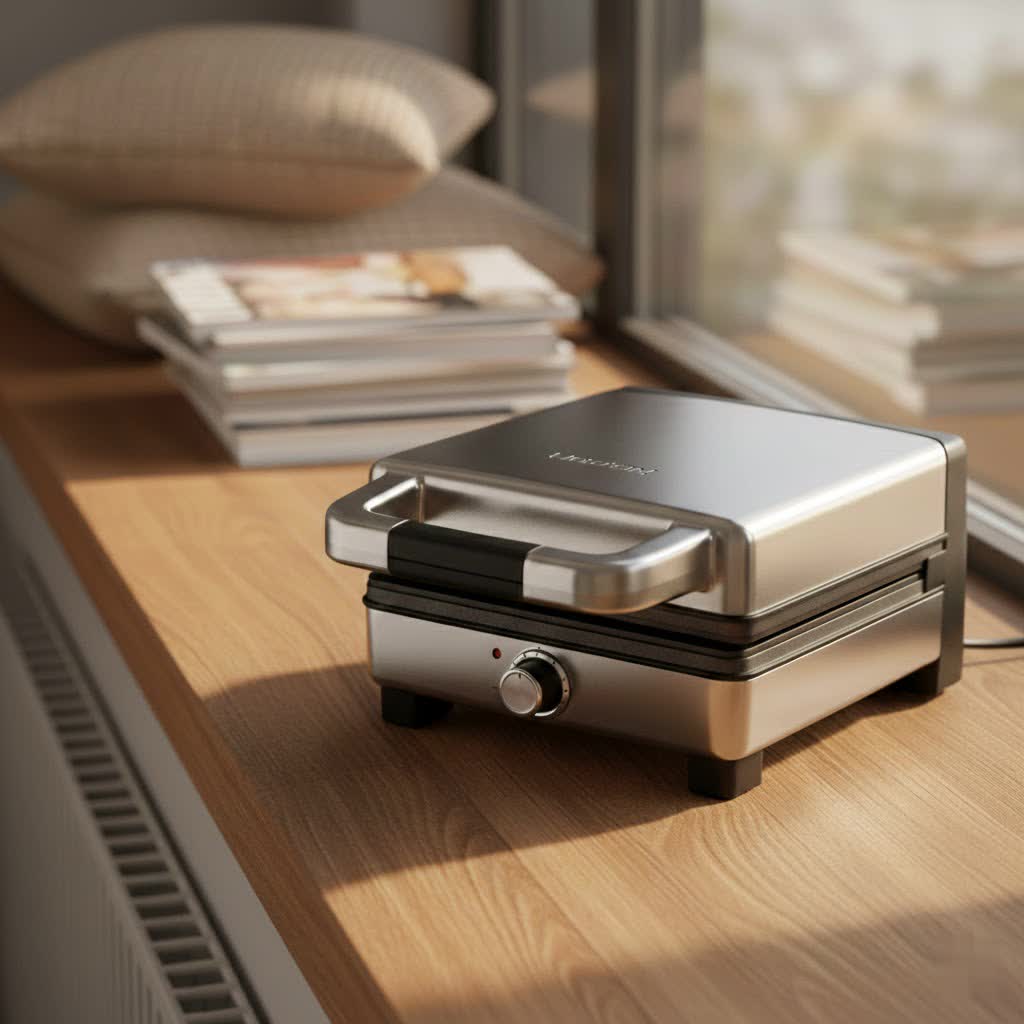
In our fast-paced world, quick, delicious, and easy meals are more than a convenience—they’re a necessity. For many, a hot, perfectly toasted sandwich hits the spot, whether it’s a breakfast on the go, a comforting lunch, or a late-night snack. That’s where the humble yet mighty single sandwich maker comes into play, offering tailored convenience for individuals or small households. If you’re tired of soggy bread or unevenly heated fillings, a dedicated single sandwich maker can revolutionize your meal prep. This comprehensive guide will walk you through everything you need to know to select the ideal compact sandwich maker that perfectly fits your lifestyle and culinary preferences.
What is a Sandwich Maker?
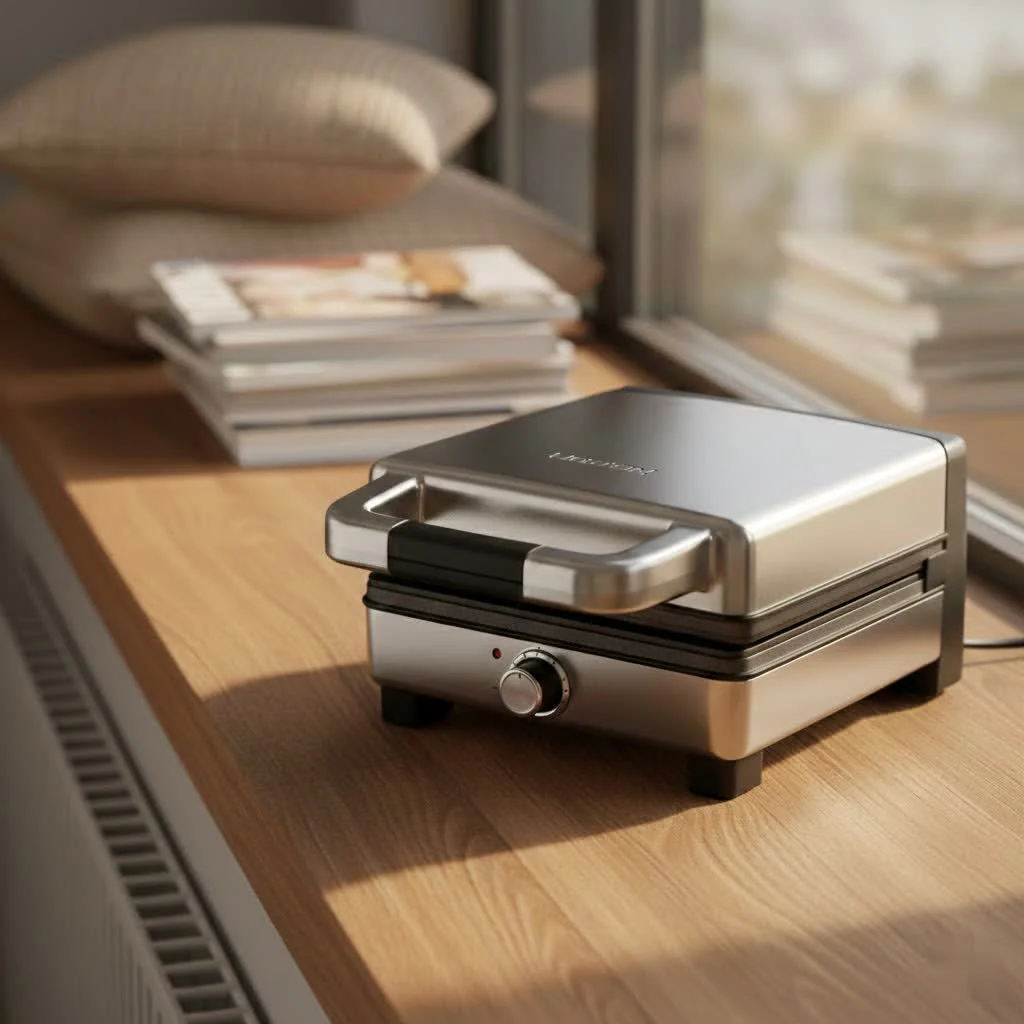
At its core, a sandwich maker is a compact kitchen appliance designed to create hot, sealed, or grilled sandwiches quickly and efficiently. It typically consists of two hinged heating plates that cook both sides of your sandwich simultaneously. These plates use radiant heat to toast the bread and warm the fillings, transforming ordinary ingredients into a crispy, gooey delight. For home kitchen buying guides on this site.
The evolution of sandwich makers has seen them transform from simple toasters to versatile machines capable of much more. While the basic function remains consistent, modern innovations have introduced features that enhance safety, ease of use, and even expand their culinary repertoire, making them an indispensable tool for anyone craving a hot sandwich without the fuss.
Types of Single Sandwich Makers
When it comes to choosing a single sandwich maker, you’ll primarily encounter a few distinct types, each offering unique benefits for individual use. Understanding these differences is key to finding the model that best suits your needs.
Classic Sandwich Makers (Sealed/Toastie Makers)
The classic sandwich maker, often referred to as a “toastie maker,” is designed to create those iconic triangular, sealed sandwiches we all know and love. These machines feature fixed plates, usually with a triangular mold, that press and cut the bread, sealing the edges to lock in the fillings. They are perfect for traditional cheese toasties or simple, neat sandwiches.
- Pros:
- Compact: Generally smaller, ideal for limited counter space.
- Neat and Mess-Free: Seals the edges, preventing fillings from oozing out.
- Quick Cooking: Efficiently toasts and heats one or two sandwiches.
- Traditional Toastie Shape: Delivers the nostalgic, perfectly divided triangle.
- Cons:
- Limited Bread Size and Shape: Best suited for standard sliced bread; won’t work with larger or irregularly shaped loaves.
- Dedicated Function: Primarily designed for sealed sandwiches, offering less versatility.
- Best for: Individuals who love traditional, perfectly sealed toasties and prioritize simplicity and speed.
Single Panini Presses (Grill-Style)
|
Our Picks for the Best Sandwich Maker in 2026
As an Amazon Associate I earn from qualifying purchases.
|
||
| Num | Product | Action |
|---|---|---|
| 1 | OVENTE Electric Panini Press Grill with Nonstick Plates, LED Indicator Lights, Thermostat Control, Cool Touch Handle, Compact Sandwich Maker Perfect for Cooking Breakfast, Snacks & More, Black GP0401B |

|
| 2 | OVENTE 3 in 1 Electric Sandwich Maker, Panini Press Grill and Waffle Iron Set with Removable Non-Stick Plates, Perfect for Cooking Grilled Cheese, Tuna Melts, Burgers, Steaks and Snacks, Black GPI302B |
|
| 3 | Elite Gourmet ESM2207XSS Sandwich Panini Maker Grilled Cheese, Machine Tuna Melt Omelets Non-stick Cooking Surface, 2 Slice, 750 Watts, Stainless Steel |
|
| 4 | T-fal Compact Sandwich Maker, Stainless Steel, Easy to Clean, Indicator Lights, Cool Touch Handle, Grilled Cheese, Panini, 625 Watts, Black |
|
| 5 | OVENTE Electric Sandwich Maker with Non-Stick Plates, Indicator Lights, Cool Touch Handle, Easy to Clean and Store, Perfect for Cooking Breakfast, Grilled Cheese, Tuna Melts and Snacks, Black GPS401B |
|
| 6 | Hamilton Beach Electric Sealed Sandwich Maker Grill with PFAS-Free Nonstick Plates, Makes Stuffed French Toast, Omelets, Compact & Easy to Store, Black (25430G) |
|
| 7 | Chefman Panini Press Grill and Gourmet Sandwich Maker Non-Stick Coated Plates, Opens 180 Degrees to Fit Any Type or Size of Food, Stainless Steel Surface and Removable Drip Tray, 4 Slice, Black |
|
| 8 | Proctor Silex Deluxe Hot Sandwich Maker With Easy-Clean Durable PFAS-Free Nonstick Ceramic Plates, Fits up to 2 Grilled Cheese, Ruebens, Tortas or Subs, Stainless Steel (25415MN) |
|
| 9 | Hamilton Beach Panini Press Sandwich Maker & Electric Indoor Grill with Locking Lid, Opens Wide to Fit Any Thickness for Quesadillas, Burgers & More, Nonstick 8" x 10" Grids, Chrome (25460MNA) |
|
| 10 | Commercial Dual Head Panini Grill, 3400W Electric Sandwich Panini Maker, 50-300℃(120-570℉), Stainless Steel Sandwich Press Grill, for Catering, Restaurant, Snack Stand, CE Certified |
|
A panini press, or grill sandwich maker, provides a more versatile experience. Instead of sealing the edges, these machines feature ridged or flat grill plates that press down on your sandwich, creating those appealing grill marks and a wonderfully crispy exterior. They are excellent for deli-style grilled sandwiches, paninis, or even wraps. Many single panini presses are designed with a floating hinge, allowing them to adapt to sandwiches of varying thickness.
- Pros:
- Accommodates Thicker Fillings: The press design is forgiving for generously stuffed sandwiches.
- Versatile: Can be used to grill other small items like vegetables, tortillas, or even small cuts of meat.
- No Bread Shape Limit: Works well with various bread types, from ciabatta to sourdough.
- Café-Style Results: Delivers authentic grilled textures and char marks.
- Cons:
- No Edge Seal: Fillings can sometimes ooze out, especially with very melty ingredients.
- Slightly Larger: May have a slightly larger footprint than a dedicated classic toastie maker.
- Best for: Those who enjoy gourmet grilled sandwiches, paninis, or desire a compact grill for single servings.
Compact Multi-Functional Sandwich Makers
While the “single” aspect usually refers to capacity, some compact multi-functional units exist that are perfect for one person, offering interchangeable plates for different cooking styles. These might include plates for sealed sandwiches, grilling, and even waffles, all within a small footprint.
- Pros:
- Maximum Versatility: Enjoy toasties, grilled sandwiches, and other snacks like waffles with one appliance.
- Space-Saving for Multiple Functions: Combines several kitchen tools into one compact unit.
- Cons:
- Might be slightly more expensive: Due to the added functionality.
- Plate Storage: Requires space to store the additional plates.
- Best for: Individuals who love variety and want to maximize the utility of a single, compact appliance.
Comparison Table: Single Sandwich Maker Types
Choosing the right single sandwich maker boils down to understanding your primary needs. Here’s a detailed comparison to help you decide:
| Feature | Classic (Sealed) Sandwich Maker | Panini Press (Grill-Style) | Compact Multi-Functional Sandwich Maker |
|---|---|---|---|
| Primary Use | Sealed, triangular toasties | Grilled sandwiches, paninis, compact grilling | Toasties, grills, waffles (interchangeable plates) |
| Plate Type | Fixed, triangular | Fixed, ridged/flat | Interchangeable (triangle, grill, waffle) |
| Edge Seal | Yes | No | Yes (for sandwich plates) |
| Filling Capacity | Moderate (deep-fill options available) | High (floating hinge adapts to thickness) | Varies by plate, usually good |
| Bread Compatibility | Standard sliced bread only | Various bread types, including thick ones | Depends on plate type in use |
| Versatility | Low (dedicated to sealed sandwiches) | Medium (can grill other food) | High (multiple functions in one unit) |
| Ease of Cleaning | Good (non-stick), sometimes non-removable plates | Good (non-stick), sometimes non-removable plates | Excellent (removable, often dishwasher-safe plates) |
| Best For | Quick, classic toasties for one, neat results | Hearty grilled sandwiches, compact grilling for single servings | Individuals seeking variety in hot snacks with minimal counter space |
Key Factors When Choosing Your Single Sandwich Maker
Selecting the perfect single sandwich maker goes beyond just choosing a type. Several crucial factors can impact your experience, from durability to daily convenience.
Material and Durability
The construction materials of your sandwich maker play a significant role in its longevity and performance.
- Non-Stick Coating: This is paramount. Look for high-quality non-stick surfaces, such as ceramic or durable Teflon, to ensure easy food release and hassle-free cleaning. A good coating means you can use less oil or butter, leading to healthier sandwiches.
- Sturdy Build: While many budget models feature plastic bodies, a machine with a metal casing or robust thermoplastic exterior will generally offer greater durability and resistance to wear and tear.
- Cool-Touch Exterior and Handle: Safety is key. Ensure the appliance has cool-touch handles and an insulated body to prevent burns during operation, especially when hot.
Power (Wattage)
The wattage of a sandwich maker indicates how quickly it heats up and maintains temperature, directly influencing your cooking time and the crispiness of your sandwich.
- Faster Heating: A higher wattage (typically between 700-850 Watts for single or two-slice units) translates to quicker preheating and faster cooking times, perfect for busy mornings.
- Even Cooking: Adequate power helps ensure even heat distribution across the plates, resulting in consistently golden-brown sandwiches. An optimal wattage range is usually around 700-750 Watts for efficient performance without excessive energy consumption.
Size and Space-Saving Design
For a “single” sandwich maker, compactness is often a top priority.
- Footprint: Look for models with a small countertop footprint, especially if your kitchen space is limited. These are ideal for dorm rooms, small apartments, or even camping trips.
- Upright Storage: Many compact models are designed to stand upright for vertical storage, significantly saving cabinet space when not in use.
- Cord Storage: Integrated cord-wrap features keep your counter tidy and make storage more convenient.
Essential Features
Modern sandwich makers come with a range of features designed to enhance safety and ease of use.
- Indicator Lights: Most models include “power” and “ready” indicator lights. The “ready” light signals when the plates are preheated and when your sandwich is cooked, taking the guesswork out of the process.
- Automatic Temperature Control/Overheat Protection: A built-in thermostat automatically regulates the heat, preventing burning and ensuring consistent results. Overheat protection or a thermal fuse provides an essential safety measure, cutting power if the unit gets too hot.
- Locking Latch: A secure locking latch keeps the sandwich maker closed during operation, pressing the sandwich evenly and preventing accidental opening. It also aids in compact storage.
- Non-Slip Feet: These small but important features ensure the appliance remains stable on your countertop during use.
- Adjustable Heat Settings: While less common in basic single sandwich makers, some advanced models offer adjustable temperature control, giving you more flexibility for different ingredients and desired levels of crispiness.
Ease of Cleaning
Nobody wants to spend more time cleaning than cooking.
- Non-Stick Surfaces: As mentioned, non-stick plates are crucial for easy wiping.
- Removable Plates: For the ultimate in easy cleaning, choose a model with detachable plates. These can often be removed and washed in the sink or even in a dishwasher, making cleanup effortless.
- Drip Tray: Panini press style sandwich makers, especially those that open flat, sometimes include a removable drip tray to catch excess oil or food particles, further simplifying the cleaning process.
Where to Purchase Your Single Sandwich Maker
Finding your perfect single sandwich maker is easier than ever with various purchasing options available.
- Online Retailers: Websites like Amazon, Best Buy, or specific brand websites (e.g., Breville, Cuisinart, George Foreman) offer a vast selection, often with customer reviews and detailed product specifications.
- Pros: Wide variety, competitive pricing, home delivery, easy comparison.
- Cons: Cannot physically inspect the product, potential for shipping delays.
- Electronics and Home Appliance Stores: Major retailers offer the advantage of seeing the appliance firsthand.
- Pros: Physical inspection, immediate purchase, knowledgeable staff.
- Cons: Limited selection compared to online, may have higher prices.
Regardless of where you buy, always verify the warranty and after-sales support. Reputable brands typically offer at least a 1-year warranty, which provides peace of mind and ensures you have assistance if any issues arise.
Mastering Your Single Sandwich Maker: Usage and Cleaning Tips
To get the most out of your single sandwich maker and ensure its longevity, proper usage and cleaning are essential.
- Preheat Properly: Always allow your sandwich maker to preheat fully before adding your sandwich. The “ready” indicator light will typically signal when it’s at optimal temperature. This ensures even toasting and prevents soggy results.
- Don’t Overfill: While deep-fill models offer more capacity, avoid overstuffing your sandwich. Too much filling can prevent the lid from closing properly, lead to uneven cooking, and cause messy overflows.
- Use the Right Tools: When removing your sandwich or cleaning the plates, use heat-resistant silicone or wooden spatulas. Metal utensils can scratch and damage the non-stick coating.
- Cool Before Cleaning: Always unplug your sandwich maker and allow it to cool completely before attempting to clean it.
- Wipe Clean: For non-stick plates, a simple wipe with a damp cloth or sponge is usually sufficient. For stubborn, stuck-on bits, dampen a paper towel or soft cloth and lay it on the cooled plates for a few minutes to loosen the residue before wiping.
- Removable Plates for Deep Cleaning: If your model has removable plates, take them out and wash them with warm, soapy water. Some are even dishwasher-safe, offering ultimate convenience.
- Exterior Cleaning: Wipe the exterior with a damp cloth; never immerse the entire unit in water.
Top Single Sandwich Makers: Reviews and Recommendations
The market offers several excellent compact options for single sandwich lovers. Here are some categories and examples to consider, focusing on their suitability for individual use:
- Best for Budget-Friendly Paninis: The George Foreman 2-Serving Classic Plate Electric Indoor Grill and Panini Press is a long-standing favorite. It’s incredibly compact, heats up fast, and provides reliable grilling for one or two servings, making it perfect for quick lunches in dorms or small kitchens. While basic, its effectiveness for simple grilled sandwiches is undeniable.
- Best for Classic Sealed Toasties: For those who crave the traditional cut-and-seal experience, look for dedicated “deep-fill” single toastie makers. Models like the Breville Solo SnackMaster (or similar compact sealed sandwich makers from brands like Elite Gourmet or Daewoo) are designed specifically to create perfect, sealed triangular sandwiches, locking in all your delicious fillings without any mess. They are often very affordable and take up minimal space.
- Best for Compact Versatility: If you want more than just sandwiches in a small package, consider a mini 3-in-1 Multi-Functional Sandwich Maker. Brands like Cadence or certain Milton models offer compact units with interchangeable plates for making a single serving of waffles, grilling a panini, or sealing a classic sandwich. This offers fantastic flexibility without sacrificing valuable counter space.
When reviewing specific models, always consider user feedback regarding heating consistency, ease of cleaning, and long-term durability to ensure you’re making a wise investment.
Your Buying Guide to the Perfect Single Sandwich Maker
Choosing the ideal single sandwich maker is about striking the right balance between your personal culinary habits, available space, and desired features.
- Define Your Sandwich Style: Are you a devotee of the perfectly sealed, triangular toastie, or do you prefer the crispy, grilled texture of a panini? This will guide you toward a classic sealed maker or a panini press.
- Prioritize Compactness: For single-person use, size matters. Look for models explicitly designed for small spaces, featuring upright storage and cord management.
- Embrace Non-Stick and Easy Cleaning: A good non-stick coating is non-negotiable. If possible, opt for models with removable, dishwasher-safe plates to simplify cleanup dramatically.
- Consider Power and Safety: A wattage of 700-850W ensures quick and efficient cooking. Always check for safety features like cool-touch handles, a locking latch, and overheat protection.
- Think About Versatility: If you envision more than just sandwiches, a compact multi-functional unit with interchangeable plates could be a smart investment, offering waffle or grill options alongside your toasties.
> “The right single sandwich maker isn’t just an appliance; it’s an invitation to quick, creative, and comforting meals tailored just for you.”
By considering these factors, you’ll find a single sandwich maker that not only meets your everyday needs but also enhances your kitchen experience with delicious, perfectly prepared hot snacks.
Conclusion
The single sandwich maker is an often-underestimated kitchen hero, offering unparalleled convenience for anyone seeking quick, delicious, and mess-free hot meals. Whether you’re a student in a dorm, living alone, or simply want a dedicated appliance for personal use, the right single sandwich maker can transform your culinary routine. By understanding the different types, key features, and maintenance tips, you’re now equipped to make an informed decision. Investing in a quality single sandwich maker means bringing home a reliable companion that promises perfectly toasted creations whenever hunger strikes.
Ready to elevate your sandwich game? Which type of single sandwich maker are you most excited to try?
Cooking gear we tested in our own kitchens
Free PDF — preheat times measured on 10 popular air fryers.
