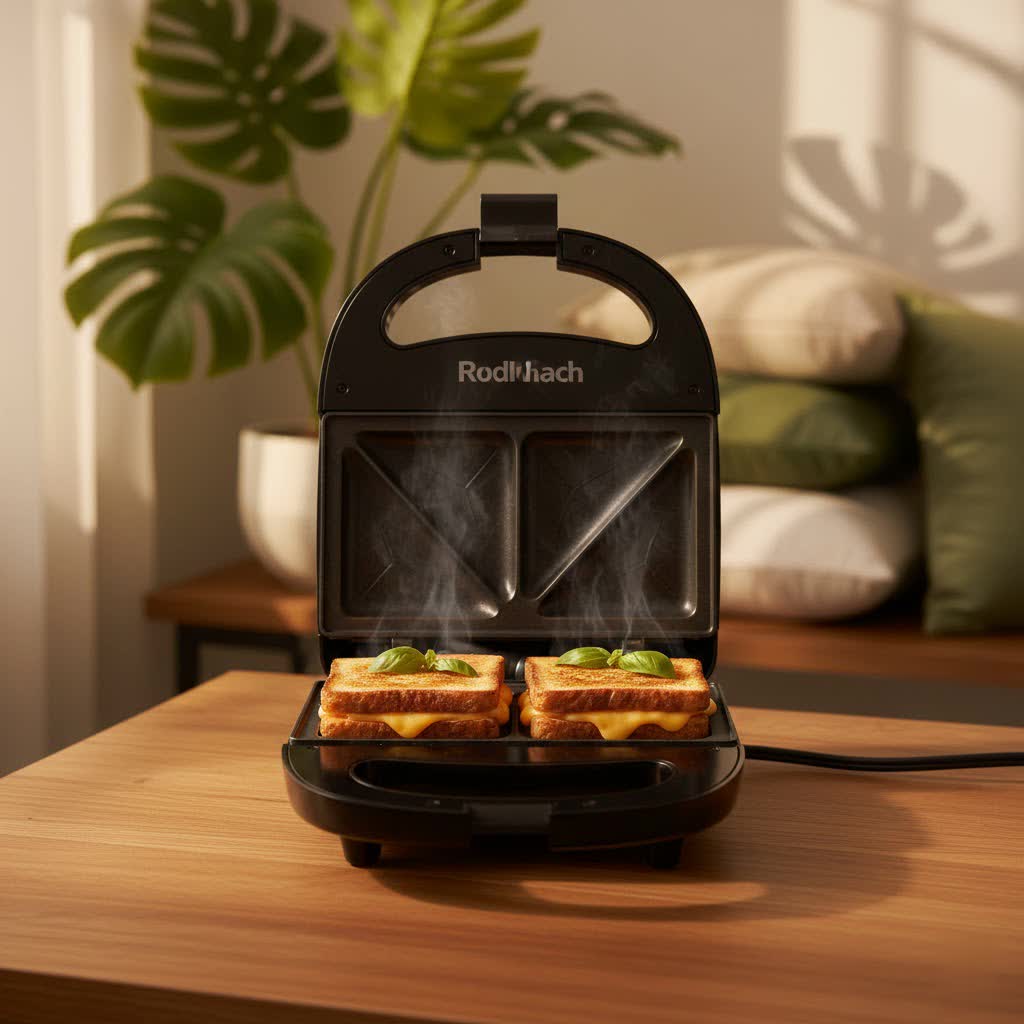
Craving that perfectly golden, crispy sandwich with gooey, melted fillings, but prefer the charm and simplicity of cooking on your stovetop? You’re not alone. A stovetop sandwich maker is a fantastic, often overlooked kitchen tool that allows you to craft delicious, pressed sandwiches without needing electricity or taking up precious counter space. It brings a touch of classic cooking to modern kitchens, perfect for everything from a quick breakfast to a gourmet panini.
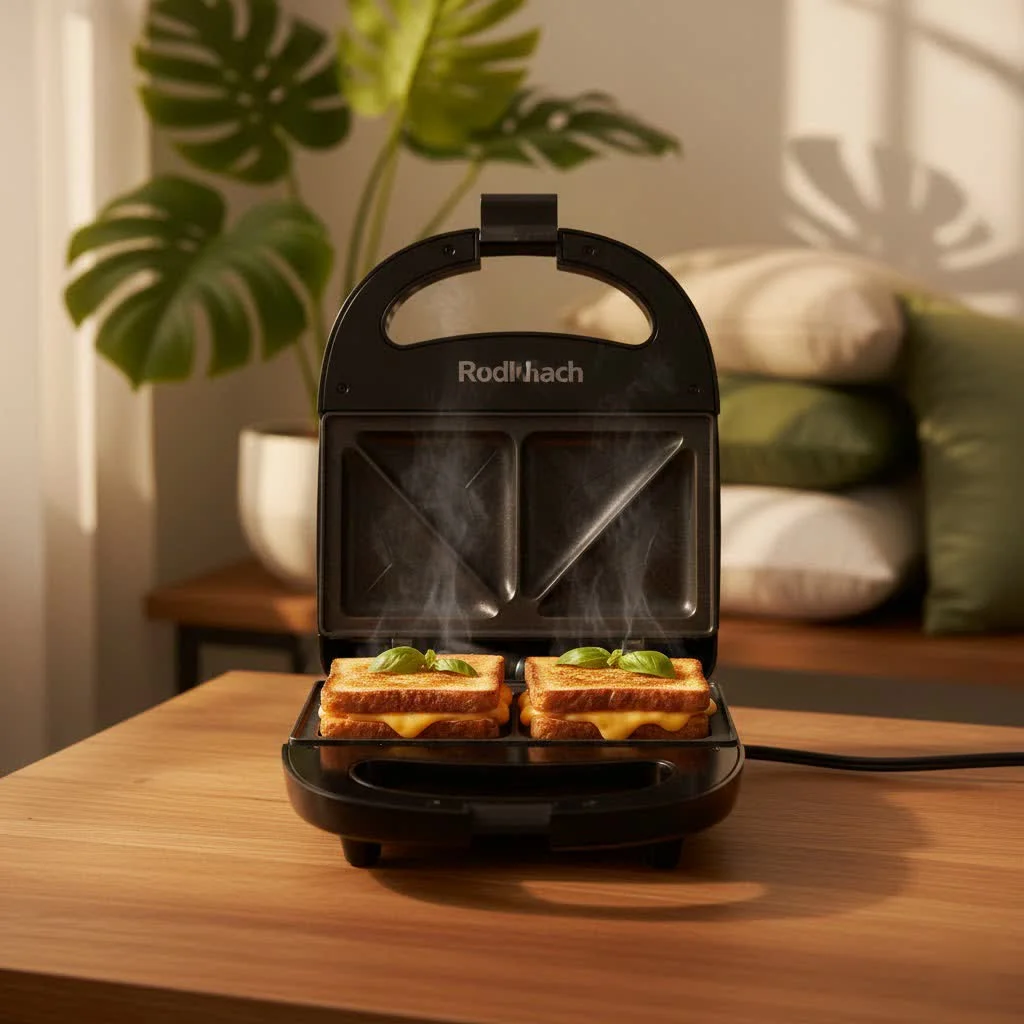
What is a Stovetop Sandwich Maker?
A stovetop sandwich maker is a manual cooking appliance designed to press and toast sandwiches directly on a gas, electric, or even induction cooktop. Typically featuring two hinged plates that clamp together, it encases your sandwich, applying even heat and pressure to create a uniformly golden crust and a thoroughly warmed interior. These devices represent a return to fundamental cooking methods, offering a straightforward and rewarding way to make a variety of toasted delights.
The concept of a stovetop sandwich press isn’t new; variations have existed for decades, often known as “pie irons” or “jaffle makers” in different parts of the world. They were, and still are, popular for camping and outdoor cooking due to their portability and independence from electrical outlets. Modern versions retain this classic utility while often incorporating improved non-stick surfaces and ergonomic designs, bridging tradition with contemporary convenience.
Popular Types of Stovetop Sandwich Makers
Stovetop sandwich makers aren’t one-size-fits-all; they come in several variations, each offering unique benefits and catering to different culinary preferences. Understanding these types will help you choose the best fit for your home and cooking style.
Classic Stovetop Sandwich Makers (Sealing/Triangle-Cut)
These are often reminiscent of traditional electric toastie makers, designed to seal the edges of the bread and typically divide the sandwich into two triangular pockets. They are beloved for creating “toasties” or “jaffles” where the filling is completely enclosed, preventing leakage and ensuring every bite is packed with flavor.
- Pros: Excellent for containing messy fillings like cheese and sauces, creates a distinct sealed edge, typically compact and lightweight for easy storage.
- Cons: Less versatile for thicker sandwiches or irregular bread shapes, can be challenging to clean if overfilled and ingredients spill into the seams.
- Best For: Those who love traditional sealed toasties, quick and easy snacks, and minimal cleanup of internal spills.
Stovetop Grill Sandwich Makers (Panini Style)
Often resembling miniature grill pans that clamp shut, these makers press and toast sandwiches, leaving characteristic grill marks. They are ideal for achieving the café-style panini look and texture, allowing for slightly thicker sandwiches and a crispier exterior.
- Pros: Creates appealing grill marks, accommodates a wider variety of bread types and thicker fillings, can often be used for grilling other small items like quesadillas or small burgers.
- Cons: May not fully seal the edges, potentially leading to some filling leakage, requires careful management of heat to prevent burning.
- Best For: Panini enthusiasts, those who enjoy a grilled texture, and cooks who appreciate versatility beyond just sandwiches.
Multi-Functional Stovetop Sandwich Makers
|
Our Picks for the Best Sandwich Maker in 2026
As an Amazon Associate I earn from qualifying purchases.
|
||
| Num | Product | Action |
|---|---|---|
| 1 | Chefman Panini Press Grill and Gourmet Sandwich Maker Non-Stick Coated Plates, Opens 180 Degrees to Fit Any Type or Size of Food, Stainless Steel Surface and Removable Drip Tray, 4 Slice, Black |

|
| 2 | OVENTE 3 in 1 Electric Sandwich Maker, Panini Press Grill and Waffle Iron Set with Removable Non-Stick Plates, Perfect for Cooking Grilled Cheese, Tuna Melts, Burgers, Steaks and Snacks, Black GPI302B |
|
| 3 | Elite Gourmet ESM2207XSS Sandwich Panini Maker Grilled Cheese, Machine Tuna Melt Omelets Non-stick Cooking Surface, 2 Slice, 750 Watts, Stainless Steel |
|
| 4 | Commercial Dual Head Panini Grill, 3400W Electric Sandwich Panini Maker, 50-300℃(120-570℉), Stainless Steel Sandwich Press Grill, for Catering, Restaurant, Snack Stand, CE Certified |
|
| 5 | Hamilton Beach Panini Press Sandwich Maker & Electric Indoor Grill with Locking Lid, Opens Wide to Fit Any Thickness for Quesadillas, Burgers & More, Nonstick 8" x 10" Grids, Chrome (25460MNA) |
|
| 6 | Proctor Silex Deluxe Hot Sandwich Maker With Easy-Clean Durable PFAS-Free Nonstick Ceramic Plates, Fits up to 2 Grilled Cheese, Ruebens, Tortas or Subs, Stainless Steel (25415MN) |
|
| 7 | T-fal Compact Sandwich Maker, Stainless Steel, Easy to Clean, Indicator Lights, Cool Touch Handle, Grilled Cheese, Panini, 625 Watts, Black |
|
| 8 | OVENTE Electric Sandwich Maker with Non-Stick Plates, Indicator Lights, Cool Touch Handle, Easy to Clean and Store, Perfect for Cooking Breakfast, Grilled Cheese, Tuna Melts and Snacks, Black GPS401B |
|
| 9 | Hamilton Beach Electric Sealed Sandwich Maker Grill with PFAS-Free Nonstick Plates, Makes Stuffed French Toast, Omelets, Compact & Easy to Store, Black (25430G) |
|
| 10 | OVENTE Electric Panini Press Grill with Nonstick Plates, LED Indicator Lights, Thermostat Control, Cool Touch Handle, Compact Sandwich Maker Perfect for Cooking Breakfast, Snacks & More, Black GP0401B |
|
Some innovative stovetop models go beyond just sandwiches, offering plates or designs that can handle a range of breakfast and snack items. These can include detachable plates or reversible surfaces that transform the sandwich maker into a small griddle for eggs, pancakes, or even small omelets.
- Pros: Maximizes utility in a single appliance, saving space, offers exceptional value for money due to diverse cooking capabilities.
- Cons: Can sometimes be larger or heavier than single-purpose models, may require more effort to clean if used for multiple types of food.
- Best For: Small kitchens, campers, and individuals looking for a compact, all-in-one breakfast solution.
Comparison Table of Stovetop Sandwich Maker Types
| Feature | Classic Stovetop (Sealing) | Stovetop Grill (Panini) | Multi-Functional Stovetop |
|---|---|---|---|
| Price Range | Affordable | Mid-range | Mid to High-range |
| Primary Use | Sealed toasties/jaffles | Paninis, grilled sandwiches | Sandwiches, eggs, pancakes |
| Seals Edges? | Yes, usually | No, typically not | Varies by design |
| Grill Marks? | No | Yes | Varies by design |
| Thickness | Thinner sandwiches | Thicker sandwiches | Flexible |
| Ease of Cleaning | Moderate (seams can trap) | Easy (flat surfaces) | Moderate (multiple surfaces) |
| Versatility | Limited to sealed items | Moderate (some grilling) | High (diverse cooking) |
| Durability | High (simple construction) | High | High |
Criteria for Choosing a Stovetop Sandwich Maker
Selecting the perfect stovetop sandwich maker involves considering several key factors that influence performance, durability, and user experience. With many options available, focusing on these criteria will ensure you make an informed decision.
Material
The material of your stovetop sandwich maker significantly impacts its heat distribution, retention, and overall longevity.
- Aluminum: Often lightweight and heats up quickly, making it ideal for fast meals. Look for models with a high-quality non-stick coating for easy food release and cleaning.
- Cast Iron: Known for exceptional heat retention and even cooking, providing a superior crust. Cast iron is incredibly durable but heavier and requires seasoning and specific cleaning methods to prevent rust.
- Stainless Steel: Less common for the cooking plates themselves, but often used for handles and exterior components, offering rust resistance and a modern look.
Heat Distribution & Retention
Consistent heat is paramount for perfectly toasted sandwiches. Aluminum models, while fast to heat, might have hot spots if not designed well. Cast iron, on the other hand, distributes heat very evenly and retains it for longer, which can lead to a more uniform browning and thorough cooking of fillings. Consider how quickly you need your sandwiches and how much control you prefer over the heat.
Size and Design
The physical attributes of a stovetop sandwich maker play a role in its convenience.
- Dimensions: Ensure the maker fits comfortably on your stovetop burner and can be stored easily. Some compact models are excellent for small kitchens or for packing away in an RV.
- Handle Length and Material: Longer, heat-resistant handles provide better leverage and keep your hands safe from the heat. A sturdy clasp or lock is essential to keep the plates pressed together during cooking.
- Plate Shape: Do you prefer square sandwiches, or the classic triangular, sealed pockets? Some models offer unique shapes for added fun.
Additional Features
While stovetop models are inherently simpler than their electric counterparts, some still offer thoughtful enhancements.
- Non-Stick Coating: A high-quality non-stick surface is invaluable for easy food release and hassle-free cleaning. Ensure it’s PFOA-free and durable.
- Versatility: As discussed, some makers can double as small griddles or waffle makers, offering more utility.
- Detachable Plates: While rare for true stovetop models, some may offer a way to separate the plates for easier cleaning, particularly with cast iron designs.
Where to Buy a Stovetop Sandwich Maker?
Finding the right stovetop sandwich maker can be an enjoyable hunt, with options available both online and in physical stores. Each avenue offers distinct advantages.
Online Retailers: Websites like Amazon, specialty kitchenware sites, and even individual brand websites offer the widest selection. You can compare different models, read customer reviews, and often find competitive pricing. Online shopping provides the convenience of home delivery and access to a global market, uncovering unique designs or niche brands you might not find locally. However, you can’t physically inspect the product before buying.
Physical Stores: Department stores, kitchen specialty shops, and even some hardware stores might carry stovetop sandwich makers. Shopping in person allows you to feel the weight, check the handle ergonomics, and inspect the build quality firsthand. The ability to ask sales associates questions can also be helpful. However, the selection might be more limited, and prices could be slightly higher.
When buying online, always read detailed product descriptions, pay close attention to material specifications, and browse customer reviews for insights into real-world performance and durability. Check the return policy before purchasing, especially if you are unsure about the item’s size or function.
How to Use and Clean Your Stovetop Sandwich Maker
Using a stovetop sandwich maker is incredibly simple, making it a favorite for quick meals. Proper usage ensures delicious results, and correct cleaning guarantees its longevity.
How to Use Your Stovetop Sandwich Maker
- Preparation: Lightly butter or oil the outer sides of your bread. This creates a crispy, golden crust and prevents sticking. Prepare your fillings, ensuring they are not overstuffed, which can make sealing difficult and cause leakage.
- Preheating: Place the closed sandwich maker over medium heat on your stovetop. Allow it to preheat for 2-3 minutes on each side. A quick test for readiness is to sprinkle a few drops of water; if they sizzle and evaporate, it’s ready.
- Assemble & Cook: Open the preheated maker, place your sandwich inside, and firmly close the lid, latching it if your model has one. Cook for 2-4 minutes on one side, then flip the entire maker over and cook for another 2-4 minutes.
- Monitor & Adjust: Periodically check the browning by gently opening the maker (if safe to do so) to ensure it’s not burning. Adjust heat as needed; lower heat for slower, more even cooking, or slightly higher for a quicker, crispier finish.
- Serve: Once golden brown and the filling is heated through, carefully remove the sandwich. Allow it to cool for a minute or two before slicing, as the fillings will be very hot.
How to Clean Your Stovetop Sandwich Maker
- Cool Down: Always allow your sandwich maker to cool completely before attempting to clean it. This prevents warping and makes cleaning safer and easier.
- Non-Stick Models: For non-stick surfaces, simply wipe down the plates with a damp cloth or soft sponge. For stubborn bits, a gentle scrub with warm soapy water is usually sufficient. Avoid abrasive scourers or metal utensils that can damage the coating.
- Cast Iron Models: For cast iron, avoid soap when possible, as it can strip the seasoning. Scrape off any food residue with a plastic scraper, then wipe with a paper towel. For thorough cleaning, scrub with hot water and a stiff brush (no soap), dry thoroughly, and apply a thin layer of cooking oil to re-season.
- Exterior: Wipe down the exterior with a damp cloth. If the handles are detachable, clean them separately.
Maintenance Tips
To extend the life of your stovetop sandwich maker:
- Store it in a dry place.
- Avoid using metal spatulas that can scratch non-stick surfaces.
- Always ensure it’s completely dry before storing to prevent rust, especially with cast iron.
Key Features of High-Performing Stovetop Sandwich Makers
While specific brands are often associated with electric models, the best stovetop sandwich makers share several common characteristics that ensure a superior cooking experience. When evaluating options, look for these indicators of quality and performance.
Firstly, excellent heat conductivity and retention are paramount. Materials like cast iron excel here, providing a consistent, even heat that prevents hot spots and delivers uniformly browned sandwiches. Aluminum models should feature robust construction to distribute heat efficiently.
Secondly, a durable, effective non-stick coating is critical. This not only makes cooking easier by preventing sticking but also simplifies cleanup significantly. A high-quality coating should be resistant to scratches and peeling, ensuring longevity with proper care.
Thirdly, ergonomic and secure handling is a sign of a well-designed product. Long, heat-resistant handles provide safety and leverage, while a strong, reliable clasp keeps the plates firmly pressed together, essential for creating well-formed sandwiches and managing thicker fillings.
Lastly, versatility can elevate a good sandwich maker to a great one. While focused on stovetop use, the ability to effortlessly adapt for other simple cooking tasks, such as making pancakes or small omelets, adds immense value and functionality, making it a more integral part of your kitchen arsenal.
“The true magic of a stovetop sandwich maker lies in its unpretentious efficiency. It’s a testament that sometimes, the simplest tools yield the most satisfying results, connecting us to the pure joy of cooking with fire and a little bit of patience.” – Admin, Reviewmartz.com, Sandwich Maker Expert
Buying Guide – Choosing the Right Stovetop Sandwich Maker
Navigating the options for stovetop sandwich makers can feel daunting, but by focusing on your specific needs, you can easily find the perfect match.
Consider Your Primary Use: If your heart yearns for perfectly sealed, triangle-cut toasties, a classic stovetop maker is your best bet. If you envision crispy paninis with tantalizing grill marks, a stovetop grill press is more suitable. For those who love experimenting with breakfast items and beyond, a multi-functional model offers unmatched flexibility.
Evaluate Materials: For superior heat retention and a rich, even crust, cast iron is the traditional choice, albeit requiring more maintenance. For quick heating and easy cleaning, a high-quality non-stick aluminum model is often preferred.
Think About Your Space and Lifestyle: Stovetop makers are inherently space-saving compared to bulky electric appliances, making them ideal for small kitchens, dorm rooms, or RVs. Their portability also makes them excellent for camping or outdoor cooking, where electricity isn’t always available.
Ultimately, the best stovetop sandwich maker is one that aligns with how you cook, what you love to eat, and how much convenience you desire. Prioritize durable construction, safe and comfortable handling, and effective heat performance to ensure years of delicious, homemade sandwiches.
Conclusion
The stovetop sandwich maker offers a delightful blend of tradition and practicality, enabling you to create wonderfully toasted, pressed sandwiches without relying on electricity. From perfectly sealed toasties to crispy paninis, these versatile tools bring a unique charm and efficiency to your kitchen. By considering material, design, and your specific culinary needs, you can select a high-performing model that will become a cherished part of your daily routine. Isn’t it time to rediscover the simple pleasure of a perfectly made stovetop sandwich?
Frequently Asked Questions
What are the main benefits of a stovetop sandwich maker over an electric one?
Stovetop sandwich makers are prized for their portability, independence from electricity, and usually more compact design. They are often more affordable and can achieve a unique crispness, particularly with cast iron models, that some electric versions struggle to replicate.
Can I use a stovetop sandwich maker on an induction cooktop?
Yes, many modern stovetop sandwich makers are designed to be compatible with induction cooktops, especially those made from ferrous metals like cast iron or aluminum with an induction-ready base. Always check the product specifications to confirm compatibility before purchasing.
How do I prevent my sandwich from sticking to the maker?
Ensure you preheat the sandwich maker adequately and apply butter or oil generously to the outside of your bread slices. Using a good quality non-stick coating on your maker also greatly reduces sticking.
Is it difficult to clean a stovetop sandwich maker?
Cleaning depends on the material and design. Non-stick models are generally easy to wipe clean with a damp cloth after cooling. Cast iron requires specific care like seasoning and avoiding harsh soaps. Some designs with deep grooves or sealed edges can be trickier if fillings overflow.
What kind of bread works best in a stovetop sandwich maker?
Most types of bread work well, including white, whole wheat, sourdough, and even thicker artisanal loaves, depending on the maker’s capacity. Softer breads tend to compress more, while crusty breads yield a very satisfying crunch.
Can I make more than just sandwiches in a stovetop sandwich maker?
Many stovetop sandwich makers are surprisingly versatile. Depending on the design, you might be able to cook small omelets, quesadillas, French toast, or even heat up leftovers, especially with panini-style or multi-functional models.
Cooking gear we tested in our own kitchens
Free PDF — preheat times measured on 10 popular air fryers.
