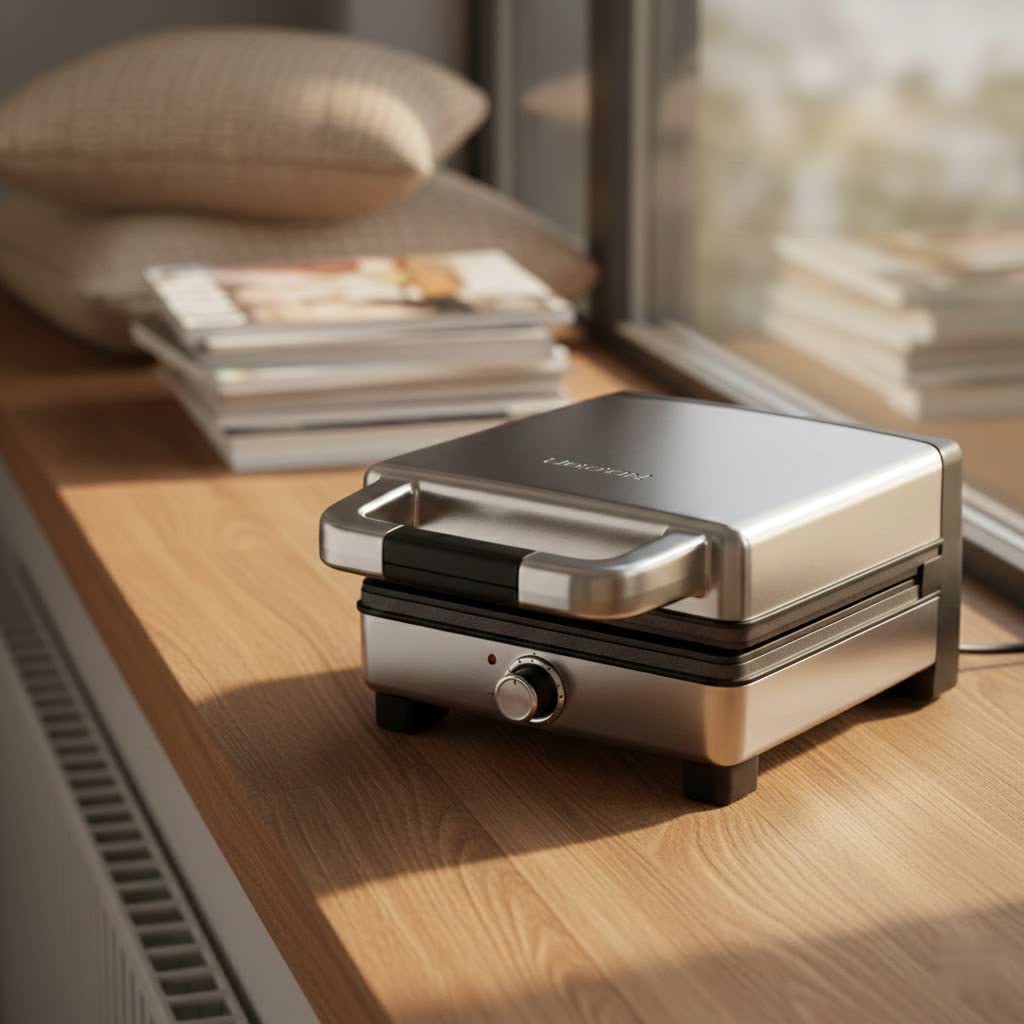
Have you ever craved a perfectly toasted sandwich but groaned at the thought of lugging out a bulky electric grill or waiting for the stovetop to heat up? Perhaps you’re a busy student, an office worker, or simply someone who appreciates kitchen convenience. The microwave sandwich maker offers an innovative solution, transforming your microwave into a mini grill that promises crispy, golden sandwiches in minutes. This unassuming gadget has revolutionized quick meals, allowing you to enjoy hot, melty creations without the fuss. But how does it achieve that satisfying crunch, and is it truly the right choice for your culinary needs? This comprehensive guide will delve into everything you need to know about microwave sandwich makers, helping you discover if this compact appliance is the missing piece in your kitchen arsenal.
What is a Microwave Sandwich Maker?
A microwave sandwich maker is a compact, non-electric kitchen gadget designed to toast and grill sandwiches inside a standard microwave oven. Unlike simply heating a sandwich in a microwave, which often results in soggy bread, these makers employ a unique technology to achieve a crispy, browned exterior. They typically consist of two hinged plates, often made from a special microwave-safe composite alloy or thermal material, encased in a silicone shell. When placed in the microwave, these specialized plates rapidly absorb thermal energy, reaching temperatures well over 200°C (392°F) in just a few minutes, effectively grilling your sandwich from the inside out. For more home kitchen guides on this site.
The concept of toasting bread over heat has existed for centuries, evolving from open fires to stovetop irons and then to electric toasters and sandwich presses. The microwave sandwich maker represents a modern twist, leveraging susceptor technology—a material that converts microwave energy into radiant heat—to replicate traditional grilling in an unconventional environment. This innovation caters to a contemporary need for speed and convenience, bypassing the need for an external power source other than the microwave itself.
Types of Sandwich Makers
While the term “sandwich maker” can encompass a wide range of appliances, from simple electric presses to panini grills, the “microwave sandwich maker” specifically refers to a unique category designed for microwave use. Within this niche, variations often relate to design and material rather than fundamentally different cooking methods.
Microwave Toastie Makers
These are the most common form of microwave sandwich makers, specifically engineered to create “toasties” or toasted sandwiches. They consist of two primary components: a silicone outer casing and inner metal plates made from a microwave-safe composite alloy. The plates clamp around the sandwich, and the silicone provides insulation and acts as a holder.
- Pros:
- Portability: Exceptionally lightweight and compact, making them ideal for small kitchens, dorm rooms, or office use.
- Speed: Delivers crispy sandwiches in as little as 2-5 minutes.
- Ease of Cleaning: Many models feature removable plates and silicone casings that are dishwasher safe.
- No Extra Power Outlet: Relies solely on your microwave, freeing up counter space and electrical outlets.
- Cons:
- Single Serve: Most models cook only one sandwich at a time, which can be inconvenient for families or multiple servings.
- Limited Versatility: Primarily designed for standard bread slices and fillings; larger or irregular bread types may need to be cut to fit.
- No Edge Sealing: Unlike some traditional jaffle makers, they typically don’t seal the edges of the sandwich, so overfilling can lead to mess.
- Best Suited For: Individuals seeking a quick, no-fuss way to make a single toasted sandwich, especially those with limited kitchen space or access to traditional cooking appliances.
Comparison Table of Microwave Sandwich Makers
When considering a microwave sandwich maker, it’s helpful to understand how they stack up against their electric counterparts, and what variations exist within the microwave-specific category. Since most microwave sandwich makers share a similar core technology, the comparison below focuses on the microwave versions.
| Feature | Microwave Sandwich Maker (e.g., Mico Toastie, Kmart/Anko) |
|---|---|
| Price Range | Inexpensive to Mid-range |
| Features | No preheat, advanced heatwave technology, non-stick, compact, removable plates (often) |
| Durability | Generally good for casual use; silicone/composite alloy construction |
| Ease of Cleaning | Very easy; many parts are dishwasher safe or wipe-clean |
| Suitability | Quick snacks, single servings, small spaces, dorms, offices |
| Cooking Time | 2-5 minutes |
| Crispness | Good, often achieves a satisfying crunch |
| Capacity | Typically one sandwich at a time |
| Versatility | Can cook other items like bacon, eggs, small burgers (some models) |
Criteria for Choosing a Microwave Sandwich Maker
Selecting the right microwave sandwich maker involves considering several factors to ensure it meets your specific needs and kitchen setup.
Material
|
Our Picks for the Best Sandwich Maker in 2026
As an Amazon Associate I earn from qualifying purchases.
|
||
| Num | Product | Action |
|---|---|---|
| 1 | Hamilton Beach Panini Press Sandwich Maker & Electric Indoor Grill with Locking Lid, Opens Wide to Fit Any Thickness for Quesadillas, Burgers & More, Nonstick 8" x 10" Grids, Chrome (25460MNA) |

|
| 2 | Elite Gourmet ESM2207XSS Sandwich Panini Maker Grilled Cheese, Machine Tuna Melt Omelets Non-stick Cooking Surface, 2 Slice, 750 Watts, Stainless Steel |
|
| 3 | Hamilton Beach Electric Sealed Sandwich Maker Grill with PFAS-Free Nonstick Plates, Makes Stuffed French Toast, Omelets, Compact & Easy to Store, Black (25430G) |
|
| 4 | T-fal Compact Sandwich Maker, Stainless Steel, Easy to Clean, Indicator Lights, Cool Touch Handle, Grilled Cheese, Panini, 625 Watts, Black |
|
| 5 | OVENTE Electric Sandwich Maker with Non-Stick Plates, Indicator Lights, Cool Touch Handle, Easy to Clean and Store, Perfect for Cooking Breakfast, Grilled Cheese, Tuna Melts and Snacks, Black GPS401B |
|
| 6 | OVENTE 3 in 1 Electric Sandwich Maker, Panini Press Grill and Waffle Iron Set with Removable Non-Stick Plates, Perfect for Cooking Grilled Cheese, Tuna Melts, Burgers, Steaks and Snacks, Black GPI302B |
|
| 7 | OVENTE Electric Panini Press Grill with Nonstick Plates, LED Indicator Lights, Thermostat Control, Cool Touch Handle, Compact Sandwich Maker Perfect for Cooking Breakfast, Snacks & More, Black GP0401B |
|
| 8 | Chefman Panini Press Grill and Gourmet Sandwich Maker Non-Stick Coated Plates, Opens 180 Degrees to Fit Any Type or Size of Food, Stainless Steel Surface and Removable Drip Tray, 4 Slice, Black |
|
| 9 | Commercial Dual Head Panini Grill, 3400W Electric Sandwich Panini Maker, 50-300℃(120-570℉), Stainless Steel Sandwich Press Grill, for Catering, Restaurant, Snack Stand, CE Certified |
|
| 10 | Proctor Silex Deluxe Hot Sandwich Maker With Easy-Clean Durable PFAS-Free Nonstick Ceramic Plates, Fits up to 2 Grilled Cheese, Ruebens, Tortas or Subs, Stainless Steel (25415MN) |
|
The core of a microwave sandwich maker’s functionality lies in its materials. Prioritize models made with high-quality, food-grade, microwave-safe materials that are durable and easy to clean.
- Composite Alloy Plates: Look for models that explicitly mention “advanced microwave-safe composite alloy” or similar thermal materials for the internal grilling plates. This technology is crucial for browning and crisping.
- Silicone Casing: The outer casing is typically made of heat-resistant, food-grade silicone. This material remains cool to the touch during cooking, making it safe to handle. It also makes the maker flexible and easy to store.
- Non-stick Coating: A good non-stick surface on the grilling plates is essential for easy food release and hassle-free cleaning.
Power
Unlike electric sandwich makers that have their own wattage, a microwave sandwich maker’s “power” is dependent on your microwave oven’s wattage.
- Microwave Wattage: Cooking times for microwave sandwich makers vary significantly based on your microwave’s power output. Higher wattage microwaves (e.g., 900W and above) will cook faster. Most manufacturers provide recommended cooking times for different wattage ranges.
- Heat Setting: Some instructions suggest using medium heat settings on higher-wattage microwaves to prevent overcooking or burning, especially during the first few uses.
Size and Design
Consider your available storage space and how the sandwich maker will fit into your daily routine.
- Compact Footprint: One of the main advantages of these makers is their small size. Ensure the chosen model is compact enough to store easily in a drawer or cupboard when not in use.
- Ergonomic Design: Look for designs with secure clasps or handles that keep the sandwich firmly pressed during cooking. Silicone handles are often favored for their heat resistance and grip.
- Single vs. Double Slot: Most microwave sandwich makers are designed for a single sandwich. If you frequently need to make multiple sandwiches, be aware that you will need to cook them one at a time.
Additional Features
While generally simple devices, some microwave sandwich makers offer thoughtful additions.
- Removable Plates: Models with removable metal plates simplify the cleaning process, allowing you to wash them separately from the silicone casing.
- Dishwasher Safe: Check if all components are dishwasher safe for ultimate convenience.
- Versatility Beyond Sandwiches: Some users find these devices surprisingly versatile, using them to cook small items like bacon, eggs, or even mini pizzas. While not their primary function, this can be a bonus.
Where to Buy a Microwave Sandwich Maker?
Microwave sandwich makers are widely available through various retail channels, both online and in physical stores.
- Major Retailers: Large general merchandise retailers like Walmart, Target, and Kmart (in regions where available) often stock affordable options.
- Online Marketplaces: Amazon, eBay, and other online marketplaces offer a vast selection from various brands, including popular models like the Morphy Richards Mico Toastie and lesser-known brands like Gettoreach. [cite: 2, 5 in search 1] Buying online provides convenience and a wider range of choices, often with customer reviews that can guide your decision.
- Home Goods Stores: Specialized kitchenware and home goods stores may carry premium models or offer unique designs.
- Direct from Brands: Some manufacturers, such as Morphy Richards, sell directly through their official websites.
When purchasing online, always check seller ratings and read customer reviews to ensure product quality and reliable delivery. Verify return policies before making a purchase. While online shopping offers convenience, the advantage of brick-and-mortar stores is the ability to physically inspect the product for size, material feel, and overall build quality.
How to Use and Clean a Microwave Sandwich Maker
Using and cleaning your microwave sandwich maker is straightforward, but following best practices will ensure optimal results and longevity.
How to Use Safely and Effectively
- Preparation: Always butter the outside of your bread slices. This step is crucial for achieving a crispy, golden-brown finish and prevents sticking.
- Assemble: Place one buttered slice of bread butter-side down onto one of the maker’s plates. Add your desired fillings (cheese, ham, tomato, etc.), ensuring not to overfill, which can lead to messy leaks. Place the second buttered slice of bread butter-side up on top of the filling.
- Secure: Close the sandwich maker and clip it shut, if your model has clips. Ensure the sandwich is properly enclosed.
- Microwave: Place the closed sandwich maker in the microwave. Cooking times vary, but a common starting point is 2-3 minutes for a 700-800W microwave, then flip it over and microwave for another 1-2 minutes. Adjust times based on your microwave’s wattage and desired crispness. Some models recommend a medium heat setting for higher wattage microwaves.
- Cooling: Always use oven mitts when removing the sandwich maker from the microwave, as the internal plates will be extremely hot. Allow it to cool for a minute or two before opening and removing your sandwich. This helps the sandwich firm up and prevents burns.
- Enjoy: Carefully open the maker and slide out your perfectly toasted sandwich.
“Butter is key for that perfect golden crust. Don’t skip it! It creates a barrier that allows the bread to crisp rather than just steam.”
How to Clean Your Microwave Sandwich Maker
Proper cleaning ensures hygiene and extends the life of your appliance.
- Cool Down: Allow the sandwich maker to cool completely before cleaning.
- Disassemble (if applicable): If your model has removable metal plates, carefully detach them from the silicone casing.
- Washing:
- Dishwasher Safe: Many silicone and composite alloy parts are dishwasher safe. Check the manufacturer’s instructions.
- Hand Washing: For hand washing, use warm, soapy water and a soft sponge or cloth. Avoid abrasive scrubbers that could damage the non-stick coating.
- Remove Residue: For stubborn cheese or food residue, a gentle soak in warm, soapy water can help loosen it before scrubbing.
- Dry Thoroughly: Ensure all parts are completely dry before reassembling and storing to prevent mildew or odors.
Maintenance Tips
- Avoid Metal Utensils: Use only plastic or silicone utensils to remove sandwiches to protect the non-stick surface of the plates.
- Do Not Overheat: Never microwave the sandwich maker empty, as this can damage the appliance or your microwave.
- Allow to Cool Between Uses: If making multiple sandwiches consecutively, allow the maker to cool for about 30 minutes after 3-4 uses to prevent overheating and ensure durability.
Top 3 Microwave Sandwich Makers Today (Detailed Review)
The market offers several effective microwave sandwich makers, with a few models standing out for their performance and user satisfaction.
-
Morphy Richards Mico Toastie Maker:
- Overview: A highly popular model, often praised for consistently delivering crispy results. It features advanced Heatwave Technology and a robust silicone and metal construction.
- Pros: Excellent crisping ability, easy to clean (dishwasher safe), compact, simple to use. Many users report it makes toasties comparable to an electric machine.
- Cons: Can only make one sandwich at a time. Some users find it a bit pricey compared to generic alternatives.
- Price: Mid-range.
- User Reviews: “This gadget is a game-changer for quick lunches. My cheese toasties come out perfectly crispy every single time!” [cite: 3 in search 1]
-
Kmart/Anko Microwave Toastie Maker:
- Overview: A budget-friendly option widely available in Australia and other regions, known for its accessibility and decent performance at a lower price point.
- Pros: Very affordable, compact and easy to store, surprisingly effective for its price, easy to clean with removable plates.
- Cons: Some users report an initial “burning plastic” smell on first use (which typically dissipates), and it might not seal as tightly as other models, requiring careful filling. Only makes one sandwich.
- Price: Inexpensive.
- User Reviews: “For the price, you can’t beat it! Makes a perfectly decent toastie in minutes. Great for the office.”
-
Gettoreach Microwave Sandwich Maker:
- Overview: Often found on online marketplaces, this model emphasizes its non-stick surface and versatility for various fillings. It typically includes accessories like a brush and clip handles. [cite: 5 in search 1]
- Pros: Good non-stick properties, simple clip mechanism, quick cooking, versatile for different sandwich types and even other small foods. [cite: 5 in search 1]
- Cons: Brand recognition may be lower than Morphy Richards, and availability can vary. Quality may differ between sellers.
- Price: Inexpensive to Mid-range.
- User Reviews: “I was skeptical, but this makes genuinely crispy grilled cheese in the microwave. Super easy to clean too!” [cite: 5 in search 1]
Buying Guide – How to Choose the Right Microwave Sandwich Maker
Navigating the options for microwave sandwich makers can be simple if you focus on your priorities. Here’s a concise guide to help you make an informed decision:
- Assess Your Need for Speed and Space: If you’re looking for a very quick, single-serve solution and have limited counter or storage space, a microwave sandwich maker is an excellent fit.
- Consider Your Microwave’s Power: Be aware that cooking times are directly influenced by your microwave’s wattage. If you have a lower-wattage microwave, be prepared for slightly longer cooking times.
- Prioritize Ease of Cleaning: Look for models with removable plates and dishwasher-safe components if cleaning convenience is a high priority.
- Read Reviews for Crispness: The primary goal is a crispy sandwich, so check user reviews specifically mentioning the crunch factor and how well the device browns the bread.
- Budget vs. Brand: While established brands like Morphy Richards offer reliability, budget-friendly options like the Kmart/Anko maker can also deliver satisfactory results for casual use.
- Don’t Expect a Panini Press: Understand the limitations. A microwave sandwich maker is fantastic for a quick, crispy toastie but won’t offer the deep grill marks or sealed edges of a traditional electric panini press or jaffle maker.
Ultimately, the best microwave sandwich maker for you will strike a balance between performance, convenience, and value, perfectly suiting your on-the-go lifestyle and craving for a delightful, crispy sandwich.
Conclusion
The microwave sandwich maker, an ingenious blend of traditional toasting and modern microwave technology, has carved out a unique space in the kitchen appliance world. It stands as a testament to convenience, offering the satisfying crunch of a grilled sandwich without the bulk or wait time of conventional methods. From its specialized thermal plates to its compact, easy-to-clean design, this gadget addresses the needs of busy individuals, students, and anyone with limited kitchen space. While it excels at single servings and quick preparation, understanding its unique mechanism and managing expectations regarding versatility is key to maximizing its benefits.
By considering factors like material quality, ease of cleaning, and your microwave’s wattage, you can confidently choose a microwave sandwich maker that brings delicious, crispy results to your plate in minutes. Why settle for soggy when a perfect, golden toastie is just a microwave away?
Frequently Asked Questions
Can a microwave sandwich maker really make bread crispy?
Yes, microwave sandwich makers are specifically designed with internal composite alloy plates that absorb microwave energy and heat up intensely, directly toasting and crisping the bread, unlike simply microwaving bread which makes it soft.
Is it safe to put a microwave sandwich maker with metal in the microwave?
Absolutely. The “metal” components in these sandwich makers are made from advanced, microwave-safe composite alloys (susceptor technology) engineered to absorb microwaves and convert them into heat without causing sparks or damage to your appliance, unlike regular metal.
How long does it take to cook a sandwich in a microwave sandwich maker?
Cooking times typically range from 2 to 5 minutes, depending on your microwave’s wattage and your desired level of crispness. It’s often recommended to cook for half the time, then flip the maker and cook for the remaining time for even browning.
Can I put any type of bread in a microwave sandwich maker?
Most microwave sandwich makers are designed for standard sliced bread. While some thicker breads may fit, very large or unusually shaped bread might need to be trimmed to ensure even heating and proper closure.
How do I clean a microwave sandwich maker?
Most models are very easy to clean. Many feature removable non-stick plates that can be washed by hand with warm, soapy water or are dishwasher safe. The silicone casing can usually be wiped clean or placed in the dishwasher as well.
Can I use a microwave sandwich maker for more than just sandwiches?
Yes, some users successfully use these makers for other small items like bacon, eggs, mini burgers, or even heating up frozen snacks, though performance can vary. Always refer to your specific model’s instructions and test with caution.
Cooking gear we tested in our own kitchens
Free PDF — preheat times measured on 10 popular air fryers.
