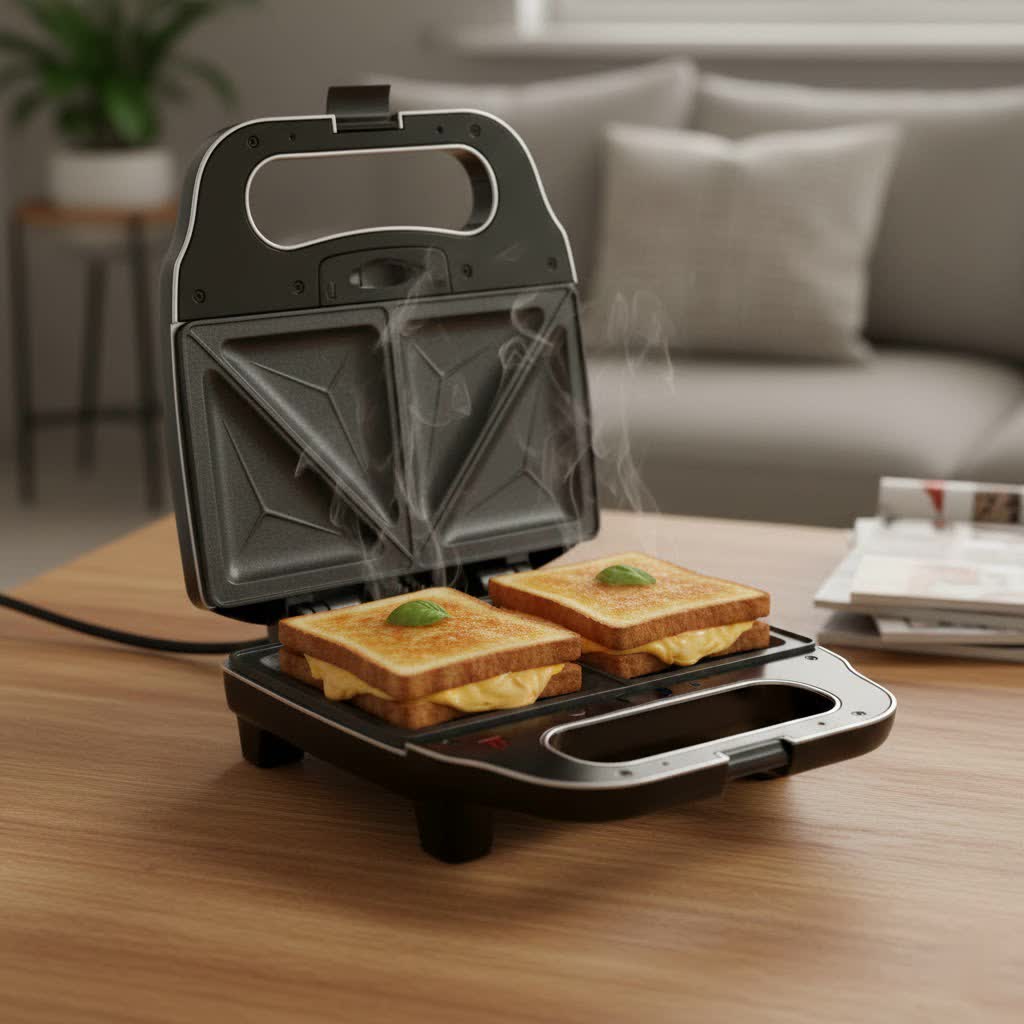
Imagine the comforting warmth of a golden-brown sandwich, perfectly crispy on the outside, with a luscious, melted filling on the inside. This culinary delight, a staple for quick breakfasts, cozy lunches, or satisfying late-night snacks, owes much of its perfection to one ingenious kitchen appliance: the sandwich maker. Yet, with a myriad of options flooding the market, choosing the right one can feel like navigating a complex maze. This comprehensive guide is designed to cut through the clutter, offering you the insights and expert advice needed to select the ideal sandwich maker that will transform your everyday meals into moments of pure enjoyment.
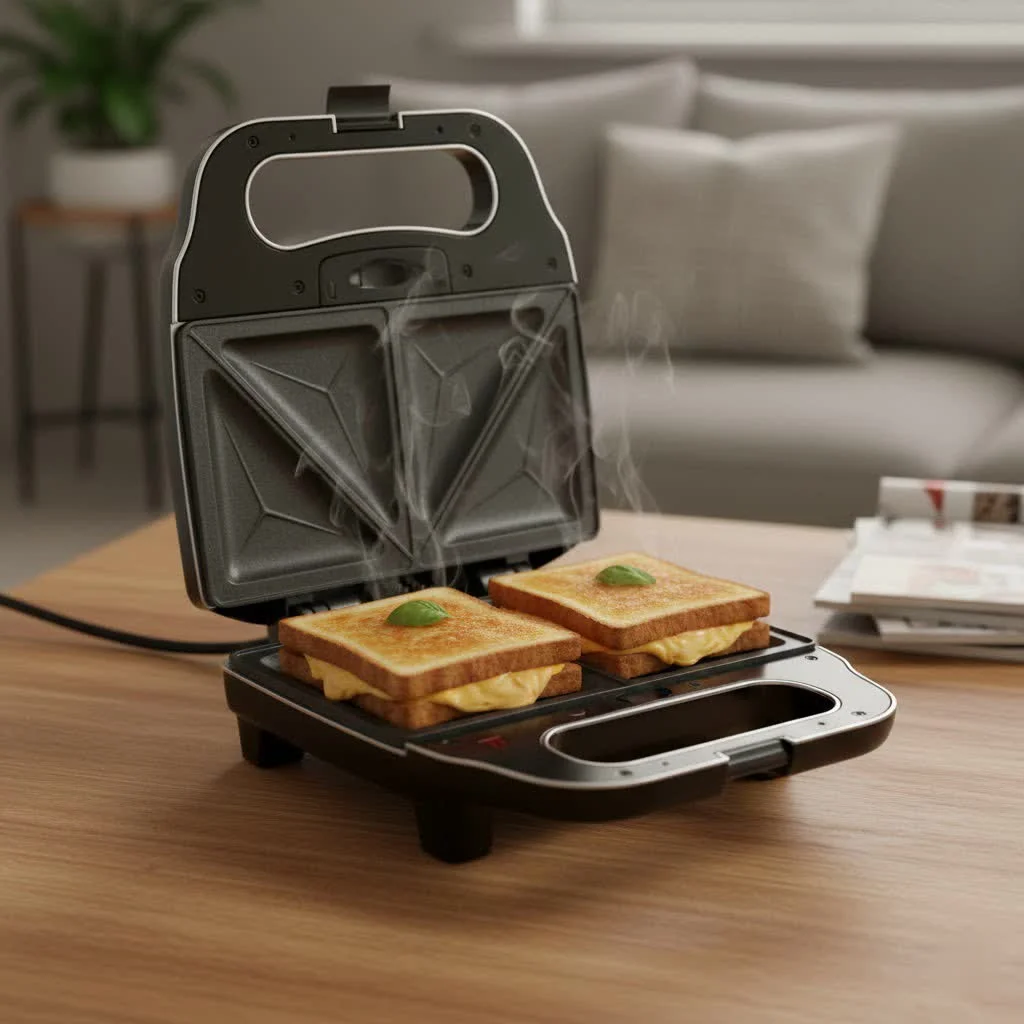
What is a Sandwich Maker?
At its core, a sandwich maker is an electric kitchen appliance engineered to toast and press sandwiches, delivering a hot, crispy result with beautifully melted fillings. It typically features two hinged heating plates that clamp down on your bread, applying both heat and pressure simultaneously. This process quickly transforms ordinary ingredients into a toasted masterpiece, far beyond what a conventional toaster can achieve. For shop curated home kitchen on this site.
The concept of a heated sandwich press isn’t entirely new. Early versions, like the “Tostwich” patented by Charles Champion around 1925, laid the groundwork for modern designs. However, it was in the 1970s that the sandwich maker truly soared to popularity, particularly with brands like Breville introducing models that could seal and cut sandwiches, creating neat, pocket-like toasties perfect for retaining gooey fillings. These innovative designs quickly made the sandwich maker a household essential, evolving from simple campfire pie irons to the versatile electric units we use today.
Popular Types of Sandwich Makers
The world of sandwich makers is diverse, offering specialized designs to cater to every preference and cooking style. Understanding the distinct characteristics of each type is crucial in making an informed choice.
Classic Sandwich Makers (Cut-and-Seal)
These are the traditional “toastie makers” many people grew up with. They feature fixed, often triangular, heating plates designed to press, toast, and seal the edges of your sandwich, creating individual pockets that perfectly encase the filling.
- Pros:
- Produces classic, sealed toasties, preventing fillings from escaping.
- Often more compact and straightforward to use.
- Ideal for consistent, traditional grilled cheese or simple filled sandwiches.
- Cons:
- Limited by the size and shape of the plates, making it difficult to use thicker bread or very generous fillings.
- Fixed plates can sometimes be harder to clean if food gets stuck in crevices.
- Ideal for: Those who love the quintessential sealed toastie, value simplicity, and primarily make standard-sized sandwiches.
Grill Sandwich Makers (Panini Press)
|
Our Picks for the Best Sandwich Maker in 2026
As an Amazon Associate I earn from qualifying purchases.
|
||
| Num | Product | Action |
|---|---|---|
| 1 | OVENTE Electric Panini Press Grill with Nonstick Plates, LED Indicator Lights, Thermostat Control, Cool Touch Handle, Compact Sandwich Maker Perfect for Cooking Breakfast, Snacks & More, Black GP0401B |

|
| 2 | Elite Gourmet ESM2207XSS Sandwich Panini Maker Grilled Cheese, Machine Tuna Melt Omelets Non-stick Cooking Surface, 2 Slice, 750 Watts, Stainless Steel |
|
| 3 | Chefman Panini Press Grill and Gourmet Sandwich Maker Non-Stick Coated Plates, Opens 180 Degrees to Fit Any Type or Size of Food, Stainless Steel Surface and Removable Drip Tray, 4 Slice, Black |
|
| 4 | Hamilton Beach Panini Press Sandwich Maker & Electric Indoor Grill with Locking Lid, Opens Wide to Fit Any Thickness for Quesadillas, Burgers & More, Nonstick 8" x 10" Grids, Chrome (25460MNA) |
|
| 5 | Proctor Silex Deluxe Hot Sandwich Maker With Easy-Clean Durable PFAS-Free Nonstick Ceramic Plates, Fits up to 2 Grilled Cheese, Ruebens, Tortas or Subs, Stainless Steel (25415MN) |
|
| 6 | Commercial Dual Head Panini Grill, 3400W Electric Sandwich Panini Maker, 50-300℃(120-570℉), Stainless Steel Sandwich Press Grill, for Catering, Restaurant, Snack Stand, CE Certified |
|
| 7 | OVENTE 3 in 1 Electric Sandwich Maker, Panini Press Grill and Waffle Iron Set with Removable Non-Stick Plates, Perfect for Cooking Grilled Cheese, Tuna Melts, Burgers, Steaks and Snacks, Black GPI302B |
|
| 8 | T-fal Compact Sandwich Maker, Stainless Steel, Easy to Clean, Indicator Lights, Cool Touch Handle, Grilled Cheese, Panini, 625 Watts, Black |
|
| 9 | Hamilton Beach Electric Sealed Sandwich Maker Grill with PFAS-Free Nonstick Plates, Makes Stuffed French Toast, Omelets, Compact & Easy to Store, Black (25430G) |
|
| 10 | OVENTE Electric Sandwich Maker with Non-Stick Plates, Indicator Lights, Cool Touch Handle, Easy to Clean and Store, Perfect for Cooking Breakfast, Grilled Cheese, Tuna Melts and Snacks, Black GPS401B |
|
Often referred to as panini presses, these machines are characterized by ridged, flat plates that toast and press sandwiches, leaving distinctive grill marks. They typically do not seal the edges, allowing for a more open-faced or “deli-style” grilled sandwich.
- Pros:
- Accommodates thicker breads, baguettes, and generous fillings like roasted vegetables or larger cuts of meat.
- The grill marks add an appealing aesthetic and a subtle char flavor.
- Many models feature a floating hinge that adjusts to the thickness of your food, ensuring even pressure.
- Versatile for grilling other foods like burgers, chicken, or vegetables.
- Cons:
- Fillings may ooze out due to the lack of a sealed edge.
- Can sometimes be larger and take up more counter space.
- Ideal for: Fans of gourmet paninis, those who enjoy a grilled texture, and cooks looking for an appliance that can multitask as a small indoor grill.
Multi-functional Sandwich Makers
These advanced sandwich makers offer unparalleled versatility by featuring interchangeable cooking plates. With a simple swap, one appliance can transform from a sandwich maker to a waffle maker or a grill.
- Pros:
- Offers multiple cooking options (sandwiches, waffles, grilled items) in a single appliance, saving counter space.
- Removable plates are typically non-stick and often dishwasher-safe, making cleanup exceptionally easy.
- Excellent value for those who enjoy a variety of hot snacks and meals.
- Cons:
- Generally, they tend to be larger and can be more expensive than single-function models.
- The mechanism for swapping plates needs to be robust for long-term durability.
- Ideal for: Families, culinary adventurers, and anyone who wants maximum utility and easy cleaning from their kitchen appliances.
Comparing Sandwich Maker Types
To help you visualize the differences, here’s a quick comparison of the main types:
| Feature | Classic (Cut-and-Seal) | Grill (Panini Press) | Multi-functional (3-in-1) |
|---|---|---|---|
| Price Range | Low to Mid | Mid to High | Mid to High |
| Key Features | Fixed triangular plates, seals edges | Ridged or flat plates, often with a floating hinge | Interchangeable plates (sandwich, grill, waffle) |
| Durability | Good, simple mechanics | Good, robust hinges for pressing | Varies by model; look for quality plate-swap mechanisms |
| Ease of Clean | Moderate (fixed plates require careful wiping) | Easy (non-stick, many with removable plates) | Very Easy (removable, often dishwasher-safe plates) |
| Best For | Traditional sealed toasties, quick, compact snacks | Thick grilled sandwiches, versatile indoor grilling | Wide variety of hot snacks, ease of cleaning, space-saving |
Key Factors When Choosing a Sandwich Maker
Selecting the perfect sandwich maker goes beyond just choosing a type. Consider these critical factors to ensure your appliance meets all your culinary needs.
Material Quality
The construction materials directly impact performance, safety, and longevity.
- Non-stick coating: This is paramount. Look for durable, PFOA-free non-stick surfaces (like ceramic or high-quality PTFE) that ensure easy release of sandwiches and hassle-free cleaning. A superior non-stick coating also allows for cooking with minimal oil or butter, making your meals healthier.
- Plate material: Die-cast aluminum plates are excellent for even heat distribution and durability.
Wattage and Power
The wattage of a sandwich maker indicates how quickly it heats up and how consistently it cooks.
- Heating Speed: Higher wattage generally means faster preheating and quicker cooking times. For most home models, a range of 700-850 watts offers an optimal balance between speed and energy efficiency.
- Cooking Consistency: Adequate power ensures even browning across the entire surface of your sandwich, preventing hot spots or undercooked areas.
Size and Design
Consider your kitchen space and how many sandwiches you typically make.
- Capacity: Most home sandwich makers are 2-slice (making two triangular sandwiches or one large panini). Larger families might prefer a 4-slice model or one that can accommodate multiple sandwiches simultaneously if it opens flat.
- Footprint and Storage: If counter space is limited, look for compact models or those designed for upright storage. Features like cord wraps can also help keep things tidy.
- Aesthetics: While secondary, a design that complements your kitchen can also be a plus.
Additional Features
Modern sandwich makers come with various features that enhance convenience and safety.
- Indicator lights: Essential for knowing when the appliance is powered on and when it has reached optimal cooking temperature.
- Adjustable temperature control: Allows for greater precision, enabling you to achieve your desired level of crispness and browning.
- Timer and auto-shutoff: Enhance safety and prevent overcooking, especially for busy individuals.
- Cool-touch handles and locking latch: Crucial safety features to prevent burns and keep the unit securely closed during operation and storage.
- Non-slip feet: Ensure stability on your countertop.
- Removable plates: As mentioned, these are a game-changer for effortless cleaning, often being dishwasher-safe.
Where to Buy Your Sandwich Maker
You have several avenues for purchasing a sandwich maker, each with its own advantages.
- Brick-and-mortar stores: Major electronics retailers and department stores allow you to physically inspect the product, assess its size, build quality, and handle. Sales associates can often provide immediate assistance.
- Online retailers: Platforms like Amazon, Walmart, or specialized kitchen appliance websites offer a vast selection, competitive pricing, and the convenience of home delivery. You can easily compare models, read customer reviews, and access detailed specifications.
When buying online, always scrutinize customer reviews for recurring themes regarding performance, durability, and customer service. Check the warranty policy and the seller’s return process before committing to a purchase.
How to Use and Clean Your Sandwich Maker
Proper usage and maintenance are key to extending the life of your sandwich maker and ensuring consistently delicious results.
Usage Tips:
- Preheat thoroughly: Always allow your sandwich maker to preheat completely until the indicator light signals it’s ready. This ensures even cooking and prevents sticking.
- Prepare your sandwich: Lightly butter or oil the outer sides of your bread for extra crispiness and to prevent sticking. Don’t overfill, as excessive ingredients can lead to spillage and difficulty in closing the lid.
- Monitor cooking: While many models have indicator lights, a quick peek can help you achieve your preferred level of toasting.
Cleaning Tips:
- Unplug and cool: Always unplug the appliance and let it cool completely before cleaning to prevent burns and electrical hazards.
- Wipe non-stick plates: For fixed plates, use a soft, damp cloth or sponge with a little mild dish soap. For stubborn bits of cooked-on food, a plastic spatula can gently scrape them off. Avoid abrasive scourers or metal utensils, as these can damage the non-stick coating.
- Removable plates: If your model has removable plates, detach them and wash them in the sink with warm soapy water or place them in the dishwasher if specified by the manufacturer.
- Exterior: Wipe down the exterior with a damp cloth. Never submerge the electrical unit in water.
- Storage: Ensure the appliance is completely dry before storing it, ideally in an upright position to save space if the design allows.
Top Sandwich Makers on the Market (Brief Overview)
While specific models constantly evolve, certain categories and features consistently define the best sandwich makers.
- For the Classic Toastie Lover: Look for deep-fill sandwich makers that expertly cut and seal, like those often associated with the Breville brand. These excel at creating those iconic, perfectly contained triangular pockets with generous, melted fillings.
- For the Panini Enthusiast: Multi-functional grill-style sandwich makers with floating hinges are highly rated. Brands like Cuisinart and George Foreman offer robust panini presses that can handle thick sandwiches and even double as indoor grills for a variety of ingredients. They often feature powerful heating elements for quick searing and consistent results.
- For Ultimate Versatility: Models offering interchangeable plates, like certain Cuisinart 5-in-1 griddlers, stand out. These allow you to seamlessly switch between making sealed sandwiches, grilling paninis, or even baking waffles, providing a truly all-in-one cooking solution with the added benefit of easy-to-clean removable plates.
What sets these top performers apart is their combination of rapid heating, durable non-stick surfaces, intuitive controls, and robust construction that withstands regular use.
Buying Guide: Expert Advice for the Perfect Sandwich Maker
Choosing the right sandwich maker doesn’t have to be daunting. Here’s a final summary of expert advice to guide your purchase:
- Define Your Needs: Are you a daily toastie maker, an occasional panini chef, or do you crave a versatile appliance for a range of hot snacks? Your primary use case should dictate the type of sandwich maker you select.
- Prioritize Quality Coatings: A truly effective non-stick surface is invaluable for both cooking performance and effortless cleanup.
- Consider Power and Speed: A wattage of 700-850W is generally ideal for efficient heating, ensuring your sandwiches cook quickly and evenly without long waits.
- Evaluate Cleaning Convenience: If possible, opt for models with removable, dishwasher-safe plates. This feature alone can save you significant time and effort.
- Look for Safety First: Always check for cool-touch handles, a secure locking mechanism, and reliable indicator lights to ensure a safe and user-friendly experience.
“Always prioritize safety features and ease of cleaning for a hassle-free experience that keeps the joy in your kitchen.” – Reviewmartz.com Admin, Sandwich Maker Expert
Frequently Asked Questions
What’s the difference between a sandwich maker and a panini press?
A classic sandwich maker typically features triangular pockets that seal and cut the bread, creating neat, contained toasties. A panini press, on the other hand, usually has ridged or flat plates that press and grill the sandwich, leaving distinctive grill marks, without sealing the edges.
Can I cook other foods in a sandwich maker?
Yes, many grill-style (panini press) and multi-functional sandwich makers are versatile enough to cook a variety of other foods. You can grill burgers, chicken breasts, vegetables, cook quesadillas, burritos, or even make waffles if your model comes with interchangeable waffle plates.
How do I prevent my sandwich from sticking?
To prevent sticking, always ensure your sandwich maker is fully preheated before adding the bread. Using a good quality non-stick coating on the plates is crucial. Additionally, lightly buttering or oiling the outer sides of your bread can significantly help with easy release and create a crispier exterior.
Is a higher wattage better for a sandwich maker?
Generally, a higher wattage (e.g., 700-850 watts for a standard 2-slice unit) indicates that the appliance will heat up faster and maintain a more consistent temperature, leading to quicker and more evenly cooked sandwiches. While not always strictly “better,” it often translates to a more efficient cooking experience.
How often should I clean my sandwich maker?
It is highly recommended to clean your sandwich maker after every use, once it has completely cooled down. This prevents food residue and melted cheese from hardening and becoming much more challenging to remove later, ensuring hygiene and extending the lifespan of your appliance’s non-stick coating.
Cooking gear we tested in our own kitchens
Free PDF — preheat times measured on 10 popular air fryers.
