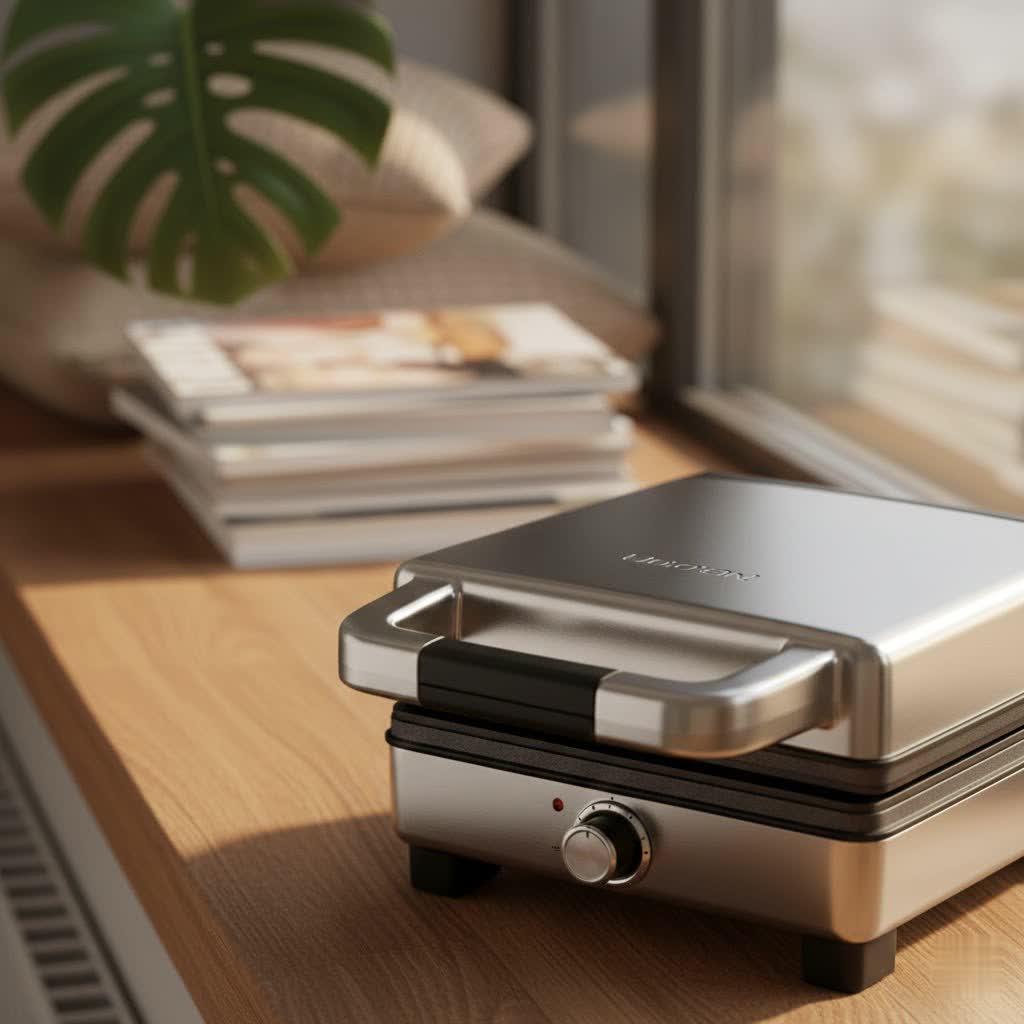
There’s something uniquely satisfying about a perfectly toasted sandwich—crisp on the outside, warm and gooey within. While electric gadgets promise speed and convenience, the enduring appeal of a cast iron sandwich maker lies in its ability to deliver a rustic charm and superior flavor that harks back to simpler times. This timeless kitchen tool, often overlooked in modern kitchens, offers unparalleled durability and exceptional heat retention, making it a favorite for both indoor culinary adventures and outdoor campfire feasts. If you’re looking to elevate your toasted sandwich game with a piece of cookware built to last generations, understanding the nuances of a cast iron sandwich maker is your first step.
What is a Cast Iron Sandwich Maker?
A cast iron sandwich maker, frequently known as a “pie iron” or “campfire cooker,” is a traditional cooking utensil comprised of two hinged cast iron plates attached to long handles. Designed to clamp shut, these plates press and cook your sandwich over a direct heat source, such as a campfire, barbecue grill, or even a gas stovetop. Its robust construction allows it to withstand intense heat, slowly and evenly toasting bread while melting fillings into a delightful culinary creation. This simple yet effective device has been a staple for outdoor enthusiasts and home cooks for decades, prized for its ability to produce hearty, perfectly sealed, or crisply grilled sandwiches and a variety of other delicious treats.
Types of Sandwich Makers: A Broad View
While the world of sandwich makers includes diverse electric models, cast iron offers a distinct and traditional approach. Within the cast iron realm, you’ll primarily encounter two main styles that cater to different cooking preferences and environments.
Classic (Sealed/Pie Iron Style) Cast Iron Sandwich Makers
These are the quintessential “pie irons” or “pudgy pie makers.” They feature two concave cast iron plates that, when closed, seal the edges of the bread, creating a pocket.
- Features: Typically square or round, with deep wells that press the bread, creating a crimped edge that seals in the fillings. They often come with long handles, ideal for use over an open fire.
- Pros: Produces perfectly sealed sandwiches, preventing fillings from escaping and ensuring a neat, compact meal. Excellent for gooey cheeses, fruit pies, or savory pockets. Their rustic appeal and campfire heritage are a major draw.
- Cons: Fixed shape limits the size and type of bread that can be used. Requires proper seasoning and careful handling to prevent sticking and rust. Overfilling can lead to messy leaks.
- Best for: Campers, outdoor adventurers, and anyone who cherishes the nostalgic experience of making “mountain pies” or “hobo pies” over a fire.
Grill-Style Cast Iron Sandwich Presses
|
Our Picks for the Best Sandwich Maker in 2026
As an Amazon Associate I earn from qualifying purchases.
|
||
| Num | Product | Action |
|---|---|---|
| 1 | OVENTE 3 in 1 Electric Sandwich Maker, Panini Press Grill and Waffle Iron Set with Removable Non-Stick Plates, Perfect for Cooking Grilled Cheese, Tuna Melts, Burgers, Steaks and Snacks, Black GPI302B |

|
| 2 | Hamilton Beach Panini Press Sandwich Maker & Electric Indoor Grill with Locking Lid, Opens Wide to Fit Any Thickness for Quesadillas, Burgers & More, Nonstick 8" x 10" Grids, Chrome (25460MNA) |
|
| 3 | T-fal Compact Sandwich Maker, Stainless Steel, Easy to Clean, Indicator Lights, Cool Touch Handle, Grilled Cheese, Panini, 625 Watts, Black |
|
| 4 | OVENTE Electric Panini Press Grill with Nonstick Plates, LED Indicator Lights, Thermostat Control, Cool Touch Handle, Compact Sandwich Maker Perfect for Cooking Breakfast, Snacks & More, Black GP0401B |
|
| 5 | Elite Gourmet ESM2207XSS Sandwich Panini Maker Grilled Cheese, Machine Tuna Melt Omelets Non-stick Cooking Surface, 2 Slice, 750 Watts, Stainless Steel |
|
| 6 | Hamilton Beach Electric Sealed Sandwich Maker Grill with PFAS-Free Nonstick Plates, Makes Stuffed French Toast, Omelets, Compact & Easy to Store, Black (25430G) |
|
| 7 | OVENTE Electric Sandwich Maker with Non-Stick Plates, Indicator Lights, Cool Touch Handle, Easy to Clean and Store, Perfect for Cooking Breakfast, Grilled Cheese, Tuna Melts and Snacks, Black GPS401B |
|
| 8 | Chefman Panini Press Grill and Gourmet Sandwich Maker Non-Stick Coated Plates, Opens 180 Degrees to Fit Any Type or Size of Food, Stainless Steel Surface and Removable Drip Tray, 4 Slice, Black |
|
| 9 | Proctor Silex Deluxe Hot Sandwich Maker With Easy-Clean Durable PFAS-Free Nonstick Ceramic Plates, Fits up to 2 Grilled Cheese, Ruebens, Tortas or Subs, Stainless Steel (25415MN) |
|
| 10 | Commercial Dual Head Panini Grill, 3400W Electric Sandwich Panini Maker, 50-300℃(120-570℉), Stainless Steel Sandwich Press Grill, for Catering, Restaurant, Snack Stand, CE Certified |
|
Less of a “maker” and more of a “press,” this type often consists of a heavy cast iron plate with a handle, designed to be placed on top of a sandwich cooking in a skillet on a stovetop or grill.
- Features: A solid, heavy cast iron plate, often with ridges, that applies downward pressure to a sandwich as it cooks. It doesn’t typically have hinges or a second heated plate; it works in conjunction with a separate cooking surface.
- Pros: Incredibly versatile, allowing you to turn any skillet into a panini press. Creates desirable grill marks and ensures even browning. The weight helps flatten sandwiches for a professional panini-style result.
- Cons: Requires a separate heat source (skillet, grill, griddle). Doesn’t seal edges, meaning fillings can escape if not careful.
- Best for: Home cooks seeking to make grilled cheese, paninis, or other pressed sandwiches with their existing stovetop cookware, valuing versatility over a sealed pocket.
Multi-purpose Cast Iron Cookers
Many cast iron sandwich makers, especially the hinged pie iron styles, are inherently multi-purpose due to the nature of cast iron cooking. While designed for sandwiches, their robust construction and heat retention allow for much more.
- Features: While the core design remains a hinged two-part iron, their utility extends to cooking small pizzas, omelets, hash browns, individual casseroles, or even desserts like turnovers.
- Pros: Extreme versatility for a single tool, especially valuable in outdoor settings where cookware is limited. The durable cast iron can handle a wide array of ingredients and cooking styles.
- Cons: Still relies on manual handling and a direct heat source, which might not be as convenient for complex multi-course meals.
- Best for: Outdoor cooking enthusiasts who appreciate a rugged, all-in-one tool capable of preparing a variety of dishes beyond just sandwiches, making it a true camp kitchen workhorse.
Cast Iron vs. Electric Sandwich Makers: A Detailed Comparison
Deciding between a traditional cast iron sandwich maker and a modern electric model often comes down to your priorities: heritage and ruggedness versus speed and digital convenience. Here’s a breakdown to help you compare:
| Criterion | Cast Iron Sandwich Maker (Manual Press/Pie Iron) | Electric Sandwich Maker (Grill/Sealed) |
|---|---|---|
| Initial Cost | Generally more affordable (e.g., $20-$60) | Higher upfront cost (e.g., $30-$250+) |
| Features | Basic, manual operation; hinged plates or standalone press. | Automated temperature control, indicator lights, sometimes interchangeable plates, timers. |
| Durability | Extremely durable; can last generations with proper care. | Moderate; electronic components can fail over time; non-stick coatings can degrade. |
| Heat Retention | Excellent; heats slowly but retains heat exceptionally well, cooks evenly. | Heats quickly; may have hot spots; often relies on continuous electricity. |
| Ease of Cleaning | Can be tricky; requires seasoning and hand-washing; no harsh soaps. | Generally easier with non-stick coatings; some have removable, dishwasher-safe plates. |
| Power Source | Campfire, charcoal grill, gas stovetop, oven (for presses). | Electricity. |
| Portability | Highly portable for camping; no power outlet needed; can be heavy. | Less portable; requires an electrical outlet. |
| Cooking Time | Slower (6-10+ minutes) due to manual heat management and preheating. | Faster (3-6 minutes) due to consistent, direct electric heat. |
| Flavor/Texture | Rustic, smoky flavor from campfires; excellent crust and even cooking. | Consistent grill marks, crispy texture; no smoky flavor unless used with specific charring elements. |
| Maintenance | Regular seasoning, diligent drying, no soaking; prone to rust if neglected. | Wipe clean; check for wear on non-stick surfaces; less prone to rust. |
| Suitability | Outdoor cooking, camping, rustic appeal, heavy-duty home stovetop use. | Indoor kitchen convenience, quick meals, versatile for different sandwich styles. |
Essential Criteria for Choosing a Cast Iron Sandwich Maker
Selecting the right cast iron sandwich maker ensures you’ll enjoy its benefits for years to come. Consider these key factors before making your purchase.
Material Quality & Construction
The core of your sandwich maker is, of course, cast iron. Look for high-quality, solid cast iron that feels substantial.
- Pre-seasoned vs. Unseasoned: Many cast iron sandwich makers come pre-seasoned, meaning they’ve undergone an initial treatment with oil and heat to create a natural non-stick surface. This offers immediate convenience. Unseasoned models require you to perform the initial seasoning yourself, but allow you to build up a personalized patina. Both types will benefit from ongoing seasoning and care.
- Handle Design: Long, sturdy handles are crucial for safely maneuvering the hot iron over a flame. Wood or heat-resistant plastic grips are ideal for comfort and to protect your hands from heat. Ensure the handle connection to the iron is robust.
- Hinges and Clasp: For pie iron styles, a durable hinge is essential for smooth opening and closing. A secure clasp ensures the plates stay tightly pressed together during cooking, creating a well-sealed sandwich.
Size and Shape
Cast iron sandwich makers come in various dimensions and forms, each suited for different preferences.
- Square/Rectangular: These are typically designed to accommodate standard slices of bread, perfect for traditional grilled cheese or larger paninis.
- Round: Often referred to as “flying saucer” pie irons, these create circular, sealed sandwiches with crimped edges, excellent for fruit pies or unique pocket sandwiches.
- Capacity: Consider if you need a single-sandwich maker or a double model to cook more at once, which is particularly useful for families or groups.
Weight & Portability
Cast iron is inherently heavy. Your intended use should guide your decision on weight.
- Camping vs. Backyard: If you plan to carry it deep into the wilderness, a lighter (but still durable) model or one with removable handles might be preferable. For backyard use or car camping, weight is less of a concern.
- Removable Handles: Some models feature handles that can be detached, making the iron more compact for storage and transport, and sometimes easier to clean the iron plates separately.
Seasoning (Pre-Seasoned vs. Unseasoned)
Regardless of whether it’s pre-seasoned, understanding seasoning is vital for cast iron care.
- Importance: Seasoning creates a natural non-stick surface and protects the iron from rust. It’s a layer of polymerized oil that bonds to the metal.
- Initial Setup: If unseasoned, you’ll need to clean, oil, and heat it multiple times to build up a base layer. Pre-seasoned models still benefit from a quick wash and a thin layer of oil before first use.
Where to Purchase Your Cast Iron Sandwich Maker
Finding the perfect cast iron sandwich maker involves knowing where to look for quality and variety.
- Online Retailers: Websites like Amazon, specialty outdoor gear sites, and dedicated kitchenware stores offer a vast selection. You can compare models, read customer reviews, and often find competitive prices. Brands like Uno Casa, Coghlan’s, and Rome Industries are frequently featured for their robust cast iron pie irons.
- Physical Stores: Outdoor and camping supply stores often stock a range of pie irons and cast iron cookers. Kitchen supply stores might carry cast iron grill presses. Shopping in person allows you to feel the weight, check the handle length, and examine the construction firsthand.
- Specialty Brands: Companies renowned for their cast iron cookware, such as Lodge, often produce high-quality grill presses that can be paired with a skillet for excellent panini-style sandwiches. Rome Industries is particularly known for its extensive range of pie irons.
Mastering Your Cast Iron Sandwich Maker: Usage and Care
Owning a cast iron sandwich maker is a journey into traditional cooking, and proper usage and diligent care are paramount to ensuring its longevity and performance.
First Use and Seasoning
If your cast iron sandwich maker is not pre-seasoned, you’ll need to “season” it before its first use to create a non-stick surface and prevent rust. This involves:
- Cleaning: Wash thoroughly with hot water and a stiff brush, avoiding soap if possible (if unseasoned, a mild soap is acceptable for the initial clean). Dry immediately and completely.
- Oiling: Apply a very thin, even layer of high smoke point cooking oil (like vegetable, canola, or grapeseed oil) over all cast iron surfaces.
- Heating: Place the oiled iron in an oven at 375-400°F (190-200°C) for about an hour, placing a baking sheet underneath to catch any drips. Let it cool slowly. Repeat this process a few times for optimal seasoning.
- Even pre-seasoned models benefit from a quick wash, thorough drying, and a light application of oil before their inaugural culinary task.
Safe and Effective Usage
Unlocking the full potential of your cast iron sandwich maker lies in understanding how to use it effectively.
- Preheating is Key: Always preheat your cast iron sandwich maker. Whether over a campfire, grill, or stovetop, allow it to heat up gradually for even cooking. For campfire use, place it directly on hot coals, not directly in flames, for consistent heat.
- Grease Before Each Use: Even with well-seasoned cast iron, a thin layer of butter or cooking oil applied to the inside of the plates before adding your sandwich ensures food won’t stick and promotes a beautiful golden crust.
- Even Cooking: For hinged pie irons over an open flame, remember to flip the iron frequently to ensure both sides of your sandwich toast evenly. For stovetop presses, you’ll flip the sandwich in the skillet, using the press on both sides.
- Don’t Overfill: While tempting, overfilling can cause ingredients to ooze out, making cleanup more challenging.
Cleaning and Maintenance for Longevity
The key to preserving your cast iron sandwich maker for generations is proper cleaning and maintenance.
- Cool Completely: Always allow the iron to cool down completely after use before attempting to clean it. Handling hot cast iron can be dangerous and thermal shock can damage the seasoning.
- Hand Wash Only: Never put cast iron in a dishwasher, and avoid harsh detergents or abrasive scrubbing pads, which can strip away the seasoning. Wash with hot water and a stiff brush or a non-abrasive sponge. For stubborn food residue, you can use a paste of coarse salt and a little oil to scrub gently.
- Dry Thoroughly: This is arguably the most critical step. After washing, dry your cast iron immediately and completely with a towel. You can also place it back on low heat (stovetop or embers) for a few minutes to ensure all moisture evaporates. Any lingering moisture will lead to rust.
- Re-season Regularly: After cleaning and drying, apply another very thin layer of cooking oil to all cast iron surfaces. This replenishes the seasoning and provides a protective barrier against moisture.
- Storage: Store your cast iron sandwich maker in a dry, cool place. If possible, place a paper towel between the plates of hinged models to absorb any residual moisture and promote air circulation.
“Properly cared for, a cast iron sandwich maker isn’t just a cooking tool; it’s a family heirloom, carrying memories of delicious meals from generation to generation.”
Top 5 Cast Iron Sandwich Makers for Your Kitchen and Camp
While specific brand recommendations can vary based on availability and personal preference, here’s a look at the types of highly-rated cast iron sandwich makers you’ll find, celebrated for their features and performance:
- The Classic Campfire Pie Iron (Square): This sturdy, traditional design features durable cast iron plates, often pre-seasoned, with long, heat-resistant handles. It’s renowned for making perfectly sealed, square-shaped sandwiches and other savory or sweet pockets over an open flame. Users praise its robustness and the authentic taste it imparts.
- The Double Round “Flying Saucer” Pie Iron: Ideal for families or those who love the distinctive sealed “pudgy pie” shape. These irons often have a round design, creating a unique, crimped edge. They are celebrated for their versatility in making anything from grilled cheese to fruit pies and omelets, particularly popular for campfire cooking.
- The Heavy-Duty Cast Iron Grill Press: While not a hinged sandwich maker, this flat or ridged cast iron press is indispensable for stovetop panini. Its substantial weight provides even pressure, ensuring a perfectly crispy, flattened sandwich with beautiful grill marks when used with a skillet. It’s a favorite for its simplicity and effectiveness for indoor use.
- The Multi-Purpose Camp Cooker with Detachable Handles: Designed for maximum flexibility, these models feature a hinged cast iron cooking head suitable for a variety of foods, with handles that can be easily detached for more compact storage and easier cleaning. They are often noted for their robust construction and ease of transport.
- The Compact Cast Iron Toaster for Single Servings: For solo adventurers or those with limited space, compact single-sandwich cast iron makers are a fantastic choice. They heat up efficiently and are easy to handle, perfect for quick, personalized meals whether at home on the stovetop or by a small fire.
Buying Guide: Selecting Your Ideal Cast Iron Sandwich Maker
Choosing the perfect cast iron sandwich maker involves weighing your needs against the unique characteristics of this timeless cookware.
- Intended Use: Will you primarily use it for camping, backyard barbecues, or on your kitchen stovetop? Campfire use necessitates longer handles and robust construction, while stovetop use might lean towards a simple grill press.
- Desired Food Type: Do you crave sealed pocket sandwiches (pie iron style) or flattened, grilled paninis (press style)? Your preference will dictate the shape and design you choose.
- Maintenance Willingness: Cast iron requires specific care, including seasoning and hand-washing. If you’re new to cast iron, a pre-seasoned model can be a good starting point, but be prepared for ongoing maintenance.
- Budget: Cast iron sandwich makers are generally affordable, but prices can vary based on brand, size, and features like detachable handles or pre-seasoning.
Ultimately, the best cast iron sandwich maker for you is one that aligns with your lifestyle and cooking aspirations. It’s an investment in durable, versatile cookware that, with proper care, will deliver delicious results for many years.
Conclusion
The cast iron sandwich maker stands as a testament to the enduring appeal of traditional cooking. Far from being a relic of the past, this robust and versatile tool offers a unique way to create exceptionally flavorful and perfectly toasted sandwiches, whether nestled in the embers of a campfire or gently pressed on a stovetop. Its unparalleled durability, superior heat retention, and the ability to impart a distinct, rustic flavor make it a cherished piece of cookware for anyone seeking quality and longevity.
By understanding its various forms, appreciating its unique benefits over electric alternatives, and committing to its simple yet essential care routine, you unlock a world of culinary possibilities. From classic grilled cheese to adventurous campfire pies, the cast iron sandwich maker invites you to slow down, savor the process, and enjoy meals bursting with character. Why not embrace the timeless tradition and add this remarkable tool to your culinary arsenal?
Frequently Asked Questions
What’s the difference between a cast iron sandwich maker and a pie iron?
They are often used interchangeably. A pie iron specifically refers to the hinged, two-part cast iron cooker, usually for campfire use, which seals the edges of the bread to create a “pie” or “pudgy pie” shape. A cast iron sandwich maker can refer to this type or a simple cast iron press used on a skillet to grill sandwiches.
Can I use a cast iron sandwich maker on a gas stove?
Yes, many cast iron sandwich makers and pie irons are suitable for use on a gas stovetop, though they are traditionally associated with campfires. Ensure a stable setup and use medium heat, allowing the iron to preheat thoroughly for the best results.
How do I prevent food from sticking to my cast iron sandwich maker?
Proper seasoning is key to preventing food from sticking. Before each use, apply a thin, even layer of cooking oil or butter to the heated plates. With a well-maintained seasoning layer, food should release easily, giving you that perfect golden crust.
Is a pre-seasoned cast iron sandwich maker better?
Pre-seasoned models offer immediate convenience, as they are ready to use after a quick rinse and oiling. However, all cast iron, whether pre-seasoned or not, benefits from continued seasoning and proper care to build and maintain its optimal non-stick surface over time.
How often should I re-season my cast iron sandwich maker?
Re-seasoning frequency depends on how often you use it and how you clean it. If food starts sticking more frequently, or if you notice dull, dry spots on the iron, it’s a good indication that it’s time to re-season. A light oil application after each thorough cleaning and drying helps maintain the seasoning effectively.
Cooking gear we tested in our own kitchens
Free PDF — preheat times measured on 10 popular air fryers.
