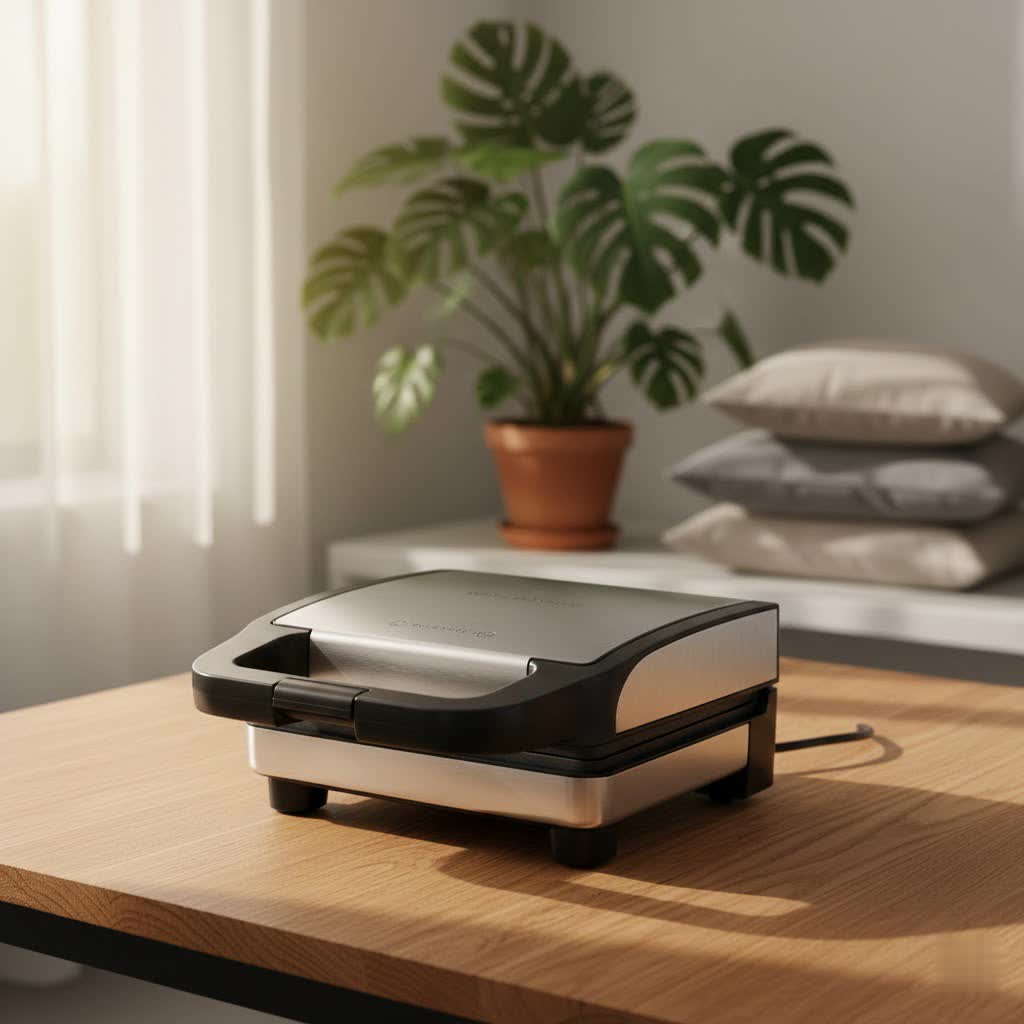
Imagine a kitchen where every morning starts with the inviting aroma of perfectly toasted bread and melted cheese, creating a moment of simple joy amidst the daily rush. The humble sandwich maker has transformed from a basic convenience to an indispensable culinary companion, and for many, the sleek, durable Stainless Steel Sandwich Maker stands out as the ultimate choice. This guide will walk you through everything you need to know, from its historical journey to the essential features that make a stainless steel model a smart investment for your home.
What Exactly is a Sandwich Maker?
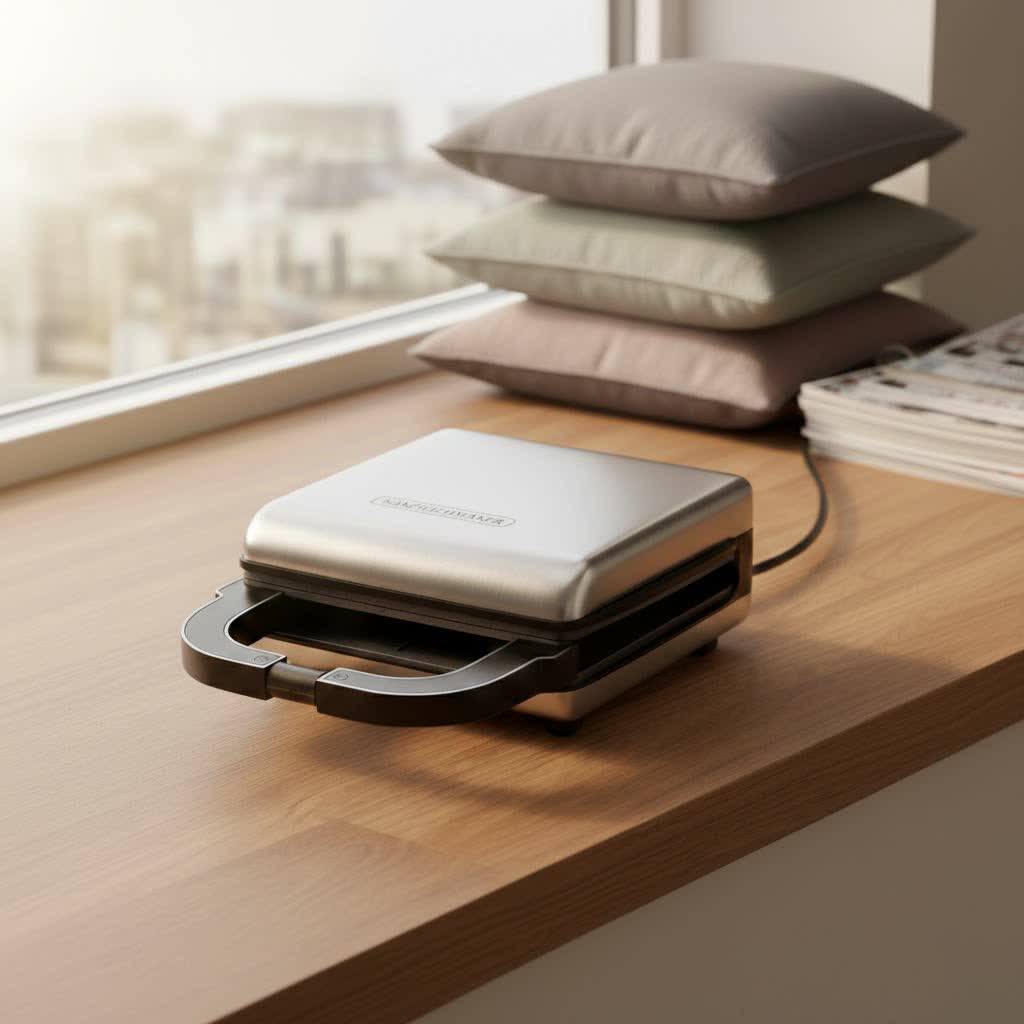
At its core, a sandwich maker is a compact electric appliance designed to toast, grill, or press sandwiches and other quick meals. It typically features two heated plates that cook both sides of your sandwich simultaneously, ensuring a consistently golden and crispy result. These devices have evolved significantly, moving beyond just simple toasties to offer versatile cooking options for the modern kitchen.
The concept of heating bread with fillings dates back centuries, with early forms like the “pie iron” gaining popularity in the early 1900s for campfire cooking. These initial designs used hinged cast iron plates held over an open flame to toast sandwiches. The real revolution began with Charles Champion, who patented the “Tostwich,” recognized as the first electric sandwich maker, around 1925. However, it was John O’Brien from Breville, Australia, who truly popularized the sealed sandwich maker in the 1970s. His innovative design automatically cut and sealed sandwiches, preventing fillings from spilling out and quickly making it a household staple worldwide. Modern advancements have introduced non-stick coatings, adjustable thermostats, and interchangeable plates, continually enhancing convenience and functionality.
Exploring Popular Sandwich Maker Types
The market offers a variety of sandwich makers, each designed to cater to different culinary preferences and needs. Understanding these types is key to finding your perfect fit.
Classic Sandwich Makers (Sealed Pocket)
These are the traditional “toastie makers” that create characteristic triangular, sealed pockets. They are perfect for those who love neatly contained fillings and a consistently crisp exterior.
- Pros: Seals ingredients inside, reducing mess; creates distinctive pocket shapes; generally compact and easy to store.
- Cons: Limited filling capacity; less versatile for other foods; often have fixed plates which can be harder to clean.
- Best for: Lovers of classic grilled cheese, tuna melts, and simple sealed sandwiches.
|
Our Picks for the Best Sandwich Maker in 2026
We may earn a commission when you use one of our links to make a purchase.
|
||
| Num | Product | Action |
|---|---|---|
| 1 | Commercial Dual Head Panini Grill, 3400W Electric Sandwich Panini Maker, 50-300℃(120-570℉), Stainless Steel Sandwich Press Grill, for Catering, Restaurant, Snack Stand, CE Certified |

|
| 2 | Hamilton Beach Electric Sealed Sandwich Maker Grill with PFAS-Free Nonstick Plates, Makes Stuffed French Toast, Omelets, Compact & Easy to Store, Black (25430G) |
|
| 3 | Chefman Panini Press Grill and Gourmet Sandwich Maker Non-Stick Coated Plates, Opens 180 Degrees to Fit Any Type or Size of Food, Stainless Steel Surface and Removable Drip Tray, 4 Slice, Black |
|
| 4 | Proctor Silex Deluxe Hot Sandwich Maker With Easy-Clean Durable PFAS-Free Nonstick Ceramic Plates, Fits up to 2 Grilled Cheese, Ruebens, Tortas or Subs, Stainless Steel (25415MN) |
|
| 5 | Hamilton Beach Panini Press Sandwich Maker & Electric Indoor Grill with Locking Lid, Opens Wide to Fit Any Thickness for Quesadillas, Burgers & More, Nonstick 8" x 10" Grids, Chrome (25460MNA) |
|
| 6 | OVENTE Electric Panini Press Grill with Nonstick Plates, LED Indicator Lights, Thermostat Control, Cool Touch Handle, Compact Sandwich Maker Perfect for Cooking Breakfast, Snacks & More, Black GP0401B |
|
| 7 | Elite Gourmet ESM2207XSS Sandwich Panini Maker Grilled Cheese, Machine Tuna Melt Omelets Non-stick Cooking Surface, 2 Slice, 750 Watts, Stainless Steel |
|
| 8 | OVENTE Electric Sandwich Maker with Non-Stick Plates, Indicator Lights, Cool Touch Handle, Easy to Clean and Store, Perfect for Cooking Breakfast, Grilled Cheese, Tuna Melts and Snacks, Black GPS401B |
|
| 9 | OVENTE 3 in 1 Electric Sandwich Maker, Panini Press Grill and Waffle Iron Set with Removable Non-Stick Plates, Perfect for Cooking Grilled Cheese, Tuna Melts, Burgers, Steaks and Snacks, Black GPI302B |
|
| 10 | T-fal Compact Sandwich Maker, Stainless Steel, Easy to Clean, Indicator Lights, Cool Touch Handle, Grilled Cheese, Panini, 625 Watts, Black |
|
Panini and Grill Presses
Panini presses and grill makers feature flat or ridged plates that press sandwiches, giving them characteristic grill marks and a flattened shape. They don’t typically seal the edges, allowing for more generously filled sandwiches.
- Pros: Accommodates thicker sandwiches and a wider variety of bread; versatile for grilling vegetables, meats, or making quesadillas; often designed with floating hinges to adapt to different thicknesses.
- Cons: Fillings can sometimes leak out more easily; does not create sealed pockets.
- Best for: Panini enthusiasts, grilled wraps, and versatile countertop grilling.
Multi-functional Sandwich Makers
These appliances offer the ultimate versatility, coming with interchangeable plates that allow them to function as a sandwich maker, waffle maker, or even a small grill.
- Pros: Space-saving, as one appliance performs multiple functions; ideal for varied breakfast and snack options; removable plates are often dishwasher safe.
- Cons: Can be more expensive; plate changing might be cumbersome for some; performance for each function might not be as specialized as a dedicated appliance.
- Best for: Families with diverse culinary needs, those with limited kitchen space, and anyone seeking maximum utility from a single gadget.
Comparative Overview of Sandwich Maker Types
To help you visualize the differences, here’s a detailed comparison:
| Feature | Classic Sandwich Maker (Sealed Pocket) | Panini/Grill Press | Multi-functional Sandwich Maker |
|---|---|---|---|
| Primary Use | Sealed, triangular sandwiches | Flat, pressed sandwiches, grilling | Sandwiches, waffles, grilling, often more |
| Plate Type | Deep, often triangle-divided | Flat or ridged grill plates | Interchangeable plates (sandwich, waffle, grill) |
| Filling Capacity | Limited, thin fillings | High, accommodates thick ingredients | Medium to High, depends on plate set |
| Mess Factor | Low (sealed edges) | Medium (fillings can ooze) | Medium (depends on function/plates) |
| Versatility | Low | Medium to High | High |
| Ease of Cleaning | Medium (fixed plates often harder) | Easy (removable plates common, flat surfaces) | Varies (removable plates often dishwasher-safe) |
| Typical Wattage | 700-900W | 700-1500W+ | 1000-1500W+ |
| Price Range | Low to Medium | Medium to High | Medium to High |
Essential Criteria for Choosing a Stainless Steel Sandwich Maker
Selecting the right sandwich maker involves more than just picking the first shiny model you see. Here are key criteria, with a focus on why stainless steel excels.
Material Quality: The Stainless Steel Advantage
When we talk about a stainless steel sandwich maker, we often refer to the exterior housing. This choice of material offers significant benefits:
- Exceptional Durability: Stainless steel is renowned for its strength and resistance to rust, corrosion, and everyday wear and tear. This means your appliance will withstand years of use, maintaining its integrity and aesthetic appeal far longer than models with plastic or painted exteriors.
- Sleek Aesthetics: The polished, modern look of stainless steel effortlessly complements any kitchen décor, adding a touch of sophistication to your countertop. It’s easy to keep sparkling clean, projecting a hygienic and professional appearance.
- Ease of Cleaning (Exterior): Fingerprints and smudges are easily wiped away with a damp cloth, keeping your appliance looking pristine with minimal effort.
For the internal cooking plates, while a full stainless steel cooking surface is less common for traditional sandwich makers (more so for commercial panini presses or grillers like some specialized stovetop models), many quality electric models feature non-stick plates within a robust stainless steel body. If you do find a sandwich maker with actual stainless steel cooking plates (like some griller models), they offer excellent durability and heat distribution, but may require a bit more fat and technique to prevent sticking compared to non-stick. Look for high-grade stainless steel like 18/8 or 18/10 (referring to chromium and nickel content) for optimal performance and longevity.
Power (Wattage)
The wattage of a sandwich maker directly impacts its heating speed and cooking efficiency. Higher wattage (e.g., 800W to 1500W) typically means faster preheating and more even, consistent cooking. An 800W sandwich maker, for instance, can cook sandwiches in minutes, ideal for busy mornings.
Size and Design
Consider your available counter space and storage options. Compact designs are perfect for smaller kitchens or dorm rooms, often featuring upright storage capabilities. Look for ergonomic handles that stay cool to the touch for safe operation and a stable base to prevent tipping.
Additional Features to Look For
Modern sandwich makers come with a range of features that enhance convenience and safety:
- Indicator Lights: “Power” and “Ready” lights are standard, letting you know when the appliance is heated and ready to cook.
- Adjustable Temperature Control: This allows you to customize the browning level and cook different types of foods.
- Removable Plates: A game-changer for cleaning! Plates that detach easily and are dishwasher-safe significantly simplify maintenance.
- Automatic Shut-off/Timer: Some advanced models include timers or automatic shut-off functions to prevent overcooking and enhance safety.
- Floating Hinge: Essential for panini presses, a floating hinge allows the top plate to adjust to the thickness of your sandwich, ensuring even pressure and cooking.
Where to Purchase Your Stainless Steel Sandwich Maker
You have several options when it comes to buying a stainless steel sandwich maker:
- Electronics Retailers: Large electronics and home appliance stores often carry a wide selection of brands and models, allowing you to see and compare products in person.
- Department Stores: Many department stores offer kitchenware sections with various sandwich makers.
- Online Marketplaces: Websites like Amazon, eBay, or dedicated appliance e-tailers provide a vast array of choices, competitive pricing, and user reviews. Be sure to check seller reputation and return policies when buying online.
- Brand Websites: Purchasing directly from a brand’s website (e.g., Breville, Cuisinart, Elite Gourmet) can sometimes offer exclusive deals or extended warranties.
When buying online, always read customer reviews, check product specifications carefully, and compare prices across different platforms.
Maximizing Your Appliance: Usage and Cleaning Tips
To ensure your stainless steel sandwich maker provides years of delicious meals, proper usage and cleaning are essential.
Safe and Effective Usage
- Preheat Properly: Always allow your sandwich maker to preheat fully until the “ready” indicator light signals it’s at optimal temperature. This ensures even cooking and a crispy crust.
- Use Oil Sparingly (for Non-stick Plates): With non-stick cooking plates, you typically need little to no oil or butter, making for healthier meals. If using an actual stainless steel cooking surface, a light brush of oil or butter on the bread is recommended to prevent sticking.
- Don’t Overfill: While panini presses handle thicker sandwiches, avoid overfilling to prevent leakage and ensure proper cooking and sealing.
- Monitor Cooking: Even with indicator lights, it’s a good idea to periodically check your sandwich, especially when trying new recipes, to achieve your desired level of crispiness.
Cleaning Your Stainless Steel Sandwich Maker
Cleaning your sandwich maker immediately after it cools down is crucial for easy maintenance.
- Unplug and Cool: Always unplug the appliance and allow it to cool completely before cleaning.
- Remove Loose Debris: Use a soft-bristled brush or a damp paper towel to gently wipe away any loose crumbs or food particles.
- Clean Non-stick Plates: For models with non-stick plates, use a soft, non-abrasive cloth or sponge with warm, soapy water. For stubborn residue, a paste of baking soda and water can be gently applied, left for a few minutes, then wiped off. Avoid harsh chemicals, abrasive scrubbers, or metal utensils that can damage the non-stick coating. If plates are removable, they can often be placed in a dishwasher.
- Clean Stainless Steel Exterior: Wipe down the stainless steel body with a damp cloth and a mild detergent. To prevent water spots or corrosion, immediately dry the surface thoroughly with a clean, dry cloth. For a streak-free shine, a specialized stainless steel cleaner can be used occasionally.
- Storage: Once completely dry, store your sandwich maker in a clean, dry place, ideally upright to save space.
Top Stainless Steel Sandwich Makers on the Market Today
While specific models constantly change, certain brands consistently offer high-quality stainless steel sandwich makers that exemplify durability, performance, and sleek design. Brands like Elite Gourmet, Cuisinart, and Breville are often praised for their robust construction and reliable performance. When reviewing options, look for:
- Durable Stainless Steel Housing: Ensures longevity and a premium appearance.
- Efficient Heating: High wattage for quick preheating and even cooking.
- User-Friendly Features: Indicator lights, cool-touch handles, and easy-to-clean surfaces.
- Versatility: Models with interchangeable plates or a panini press function offer greater utility.
- Positive User Feedback: Consistently high ratings and reviews regarding durability and performance.
The Elite Gourmet ESM2207XSS, for example, is noted for its durable stainless steel construction, non-stick plates, and quick heating, making it a reliable choice for daily use. Similarly, multi-functional units like the Cuisinart Griddler Elite, often featuring stainless steel accents or bodies, combine excellent grilling capabilities with the convenience of removable, dishwasher-safe plates.
Buying Guide: Your Expert Checklist for the Perfect Stainless Steel Sandwich Maker
Before making your final decision, consider these key points:
- Purpose: Do you need classic sealed sandwiches, versatile panini presses, or a multi-functional appliance?
- Construction: Prioritize a robust stainless steel exterior for durability and aesthetic appeal. Inquire about the grade of stainless steel if possible.
- Plate Material: Most have non-stick plates for easy food release and cleaning. Ensure they are PFOA/PFAS-free for health safety.
- Power: Opt for higher wattage for faster, more consistent cooking.
- Capacity & Size: Choose based on household size and kitchen space. Two-slice models are compact, while four-slice or larger panini presses suit families.
- Cleaning Ease: Removable, dishwasher-safe plates are a significant advantage.
- Safety Features: Look for cool-touch handles, stable bases, and indicator lights.
Ultimately, a stainless steel sandwich maker is more than just an appliance; it’s an investment in convenience, quality, and style for your kitchen. Its robust build ensures it stands the test of time, while its sleek design elevates your culinary space. By considering the types, features, and maintenance tips outlined, you’re well-equipped to choose a product that not only meets your sandwich-making needs but exceeds your expectations for years to come.
What delicious creation will you press first in your new stainless steel marvel?
Frequently Asked Questions
What are the main benefits of a stainless steel sandwich maker?
Stainless steel sandwich makers offer superior durability, resistance to corrosion and wear, and a sleek, modern aesthetic that complements any kitchen. Their robust construction ensures a longer lifespan compared to models made from less durable materials.
Are the cooking plates of stainless steel sandwich makers also stainless steel?
Typically, the exterior body of a stainless steel sandwich maker is stainless steel, while the cooking plates are usually coated with a non-stick material like PTFE or ceramic. This combination offers the best of both worlds: a durable exterior and easy-to-clean, non-stick cooking surfaces. Some specialized panini presses or stovetop grillers might feature actual stainless steel cooking surfaces.
How do I prevent food from sticking to the plates?
If your sandwich maker has non-stick plates, minimal or no oil is usually needed. For actual stainless steel cooking surfaces, lightly buttering the bread or applying a thin layer of cooking oil to the plates before use will help prevent sticking and achieve a golden crust.
Can I put my sandwich maker plates in the dishwasher?
Many sandwich makers, especially multi-functional models, come with removable plates that are dishwasher-safe. Always check your appliance’s instruction manual to confirm if the plates are dishwasher-safe or if hand-washing is recommended to preserve the non-stick coating.
What’s the difference between a sandwich maker and a panini press?
A classic sandwich maker (or toastie maker) typically seals the edges of the bread, often dividing the sandwich into triangular pockets. A panini press, on the other hand, presses the entire sandwich flat, creating grill marks without necessarily sealing the edges, and is often more versatile for grilling other foods.
How often should I clean my stainless steel sandwich maker?
It’s best to clean your sandwich maker after every use, once it has cooled down. Regular cleaning prevents food buildup and keeps your appliance hygienic and functioning optimally. For the stainless steel exterior, a quick wipe and dry is usually sufficient to maintain its shine.