Craving a perfectly toasted sandwich, golden brown and wonderfully crisp, but worried about power outages or limited countertop space? A Gas Sandwich Maker might be the unassuming hero your kitchen needs. While electric models dominate much of the market, the traditional gas sandwich maker offers unique advantages, especially for those prioritizing portability, off-grid cooking, or simply a reliable, budget-friendly option. This comprehensive guide will delve into everything you need to know about these classic appliances, from understanding their core function to selecting the best model and mastering the art of the perfect stovetop toastie.
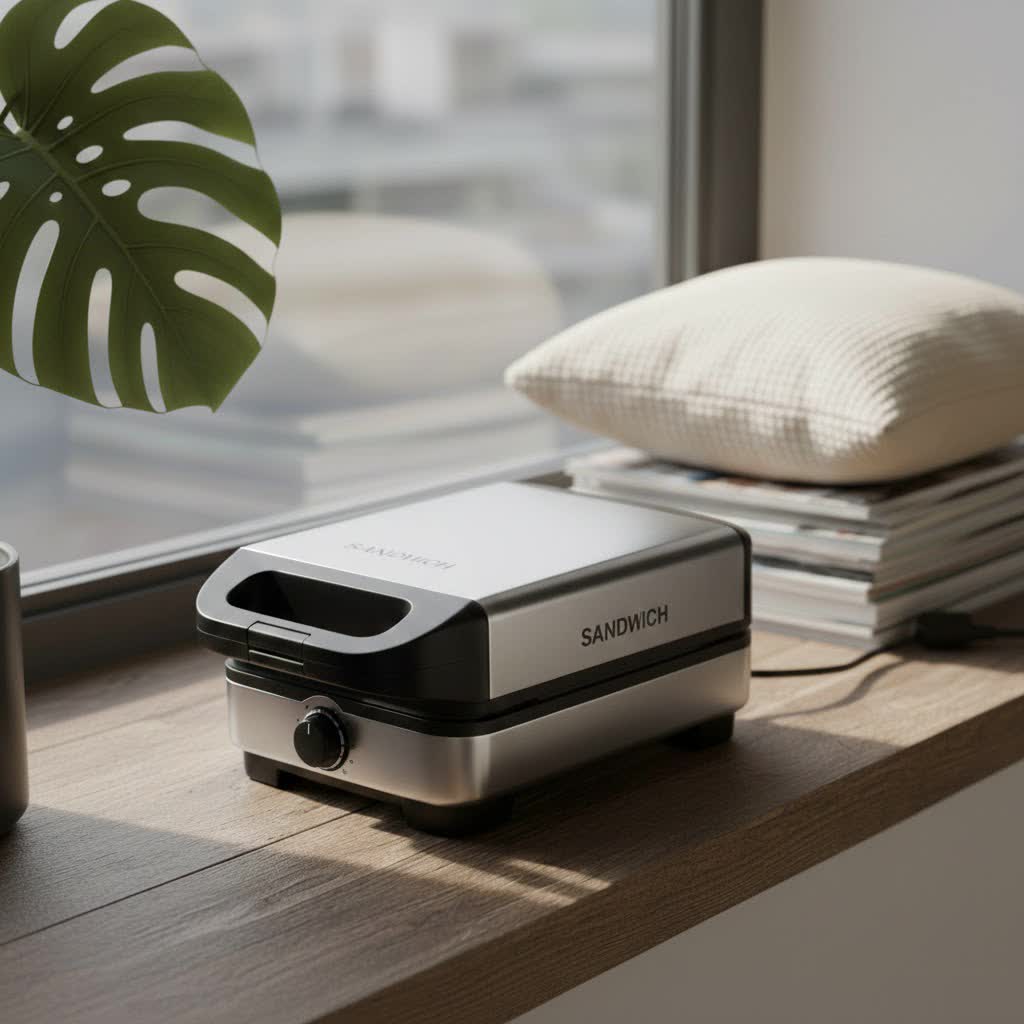
What is a Gas Sandwich Maker?
A gas sandwich maker, often referred to as a gas toaster or manual sandwich press, is a cooking utensil designed to toast and press sandwiches directly over a gas flame. Unlike its electric counterparts, it operates without electricity, making it an indispensable tool in areas with unreliable power supply, for camping trips, or simply when you prefer the hands-on control of stovetop cooking. Typically comprising two hinged metal plates that clamp together, it encases your sandwich, applying heat and pressure from both sides to create a deliciously crispy exterior and a warm, melted interior. These simple yet effective devices have been a staple in many households for decades, particularly favored for their robustness and independence from electrical grids.
Types of Gas Sandwich Makers
While the core functionality of gas sandwich makers remains consistent, there are a few variations to consider, primarily concerning material and capacity.
Classic Clamshell (Single or Double)
The most common design features two hinged metal plates that resemble a clamshell. You place your sandwich inside, close the plates, and then hold or rest the device directly on a gas stove burner.
- Single Slot: Designed for one sandwich at a time, these are compact and ideal for individual servings or smaller kitchens.
- Double Slot: Larger models can accommodate two sandwiches simultaneously, perfect for families or when preparing multiple servings.
|
Our Picks for the Best Sandwich Maker in 2026
We may earn a commission when you use one of our links to make a purchase.
|
||
| Num | Product | Action |
|---|---|---|
| 1 | Hamilton Beach Electric Sealed Sandwich Maker Grill with PFAS-Free Nonstick Plates, Makes Stuffed French Toast, Omelets, Compact & Easy to Store, Black (25430G) |

|
| 2 | OVENTE Electric Sandwich Maker with Non-Stick Plates, Indicator Lights, Cool Touch Handle, Easy to Clean and Store, Perfect for Cooking Breakfast, Grilled Cheese, Tuna Melts and Snacks, Black GPS401B |
|
| 3 | Hamilton Beach Panini Press Sandwich Maker & Electric Indoor Grill with Locking Lid, Opens Wide to Fit Any Thickness for Quesadillas, Burgers & More, Nonstick 8" x 10" Grids, Chrome (25460MNA) |
|
| 4 | Elite Gourmet ESM2207XSS Sandwich Panini Maker Grilled Cheese, Machine Tuna Melt Omelets Non-stick Cooking Surface, 2 Slice, 750 Watts, Stainless Steel |
|
| 5 | Proctor Silex Deluxe Hot Sandwich Maker With Easy-Clean Durable PFAS-Free Nonstick Ceramic Plates, Fits up to 2 Grilled Cheese, Ruebens, Tortas or Subs, Stainless Steel (25415MN) |
|
| 6 | OVENTE 3 in 1 Electric Sandwich Maker, Panini Press Grill and Waffle Iron Set with Removable Non-Stick Plates, Perfect for Cooking Grilled Cheese, Tuna Melts, Burgers, Steaks and Snacks, Black GPI302B |
|
| 7 | T-fal Compact Sandwich Maker, Stainless Steel, Easy to Clean, Indicator Lights, Cool Touch Handle, Grilled Cheese, Panini, 625 Watts, Black |
|
| 8 | Commercial Dual Head Panini Grill, 3400W Electric Sandwich Panini Maker, 50-300℃(120-570℉), Stainless Steel Sandwich Press Grill, for Catering, Restaurant, Snack Stand, CE Certified |
|
| 9 | OVENTE Electric Panini Press Grill with Nonstick Plates, LED Indicator Lights, Thermostat Control, Cool Touch Handle, Compact Sandwich Maker Perfect for Cooking Breakfast, Snacks & More, Black GP0401B |
|
| 10 | Chefman Panini Press Grill and Gourmet Sandwich Maker Non-Stick Coated Plates, Opens 180 Degrees to Fit Any Type or Size of Food, Stainless Steel Surface and Removable Drip Tray, 4 Slice, Black |
|
These presses are typically made from either aluminum or cast iron, often with a non-stick coating. Aluminum models tend to be lighter and heat up faster, while cast iron offers superior heat retention and distribution for a more even toast.
Key Characteristics:
- Construction: Durable metal (aluminum or cast iron).
- Heating: Manual, direct flame contact on a gas stove.
- Portability: Highly portable due to no power cord.
- Common Use: Everyday home cooking, outdoor use like camping.
Gas Sandwich Maker vs. Electric Sandwich Maker: A Detailed Comparison
Deciding between a gas and an electric sandwich maker often comes down to your specific needs and cooking environment. Here’s a detailed comparison to help you weigh the options:
| Feature | Gas Sandwich Maker | Electric Sandwich Maker |
|---|---|---|
| Power Source | Gas stove (no electricity required) | Electricity (plug-and-play) |
| Ease of Use | Manual, requires monitoring and flipping | Plug in, often with indicator lights and auto-shutoff |
| Cooking Time | Generally 6-8 minutes, depends on flame setting | Typically 3-5 minutes, faster preheating |
| Temperature Control | Manual (adjust stove flame), no auto-control | Automatic cut-off, some with adjustable temperature dials |
| Portability | Highly portable, ideal for outdoor/off-grid | Limited by power outlets |
| Safety | Involves open flame, requires careful handling | Generally safer with no open flame |
| Cleaning | Can be simpler (scrub and rinse metal), but leaks can stick in grooves | Non-stick plates, often wipe-clean, some dishwasher safe |
| Cost | Generally more affordable | Varies widely, can be more expensive for advanced models |
| Durability | Often very durable metal construction | Varies by model, non-stick coatings can wear |
| Consistency | Requires user skill for even browning | More consistent results with automatic temperature |
Pros and Cons:
Gas Sandwich Maker:
- Pros: Highly affordable, independent of electricity, perfect for travel or power outages, often very durable.
- Cons: Requires manual heat management, slower cooking time, less consistent results without practice, involves an open flame.
Electric Sandwich Maker:
- Pros: Faster, more convenient with auto-temperature control and indicator lights, consistent results, versatile (many are panini presses or multi-functional grills).
- Cons: Requires electricity, generally less portable, can be more expensive, non-stick plates may require delicate cleaning and can wear over time.
Key Advantages of Choosing a Gas Sandwich Maker
For many, the gas sandwich maker isn’t just an alternative; it’s the preferred choice due to several compelling benefits.
Unbeatable Affordability
Gas sandwich makers are typically significantly cheaper than their electric counterparts. This makes them an excellent option for budget-conscious households or as a secondary appliance. Their simplicity in design and lack of complex electrical components contribute to their lower price point, offering great value for money.
Independence from Electricity
One of the most significant advantages is their complete independence from electrical power. This makes them invaluable during power cuts, in remote areas, or for outdoor activities like camping and picnics where electricity is scarce. You can enjoy hot, pressed sandwiches anywhere a gas stove or portable gas burner is available.
Supreme Portability and Outdoor Use
Their compact size and lack of a power cord make gas sandwich makers incredibly portable. They can be easily packed for camping trips, road trips, or even used on food carts. Their robust construction often withstands the rigors of outdoor use better than delicate electric appliances.
Robust Durability
Often made from sturdy materials like cast iron or heavy-gauge aluminum, gas sandwich makers are built to last. Many users report owning the same gas toaster for years, even decades, demonstrating their exceptional longevity. This durability often translates to fewer replacements and a more sustainable kitchen tool.
Simplicity in Design
The straightforward design means fewer parts to break and easy troubleshooting. There are no complex electronics, sensors, or intricate mechanisms, making them incredibly reliable and user-friendly, even for novice cooks.
Factors to Consider When Buying a Gas Sandwich Maker
Choosing the right gas sandwich maker involves weighing a few key aspects to ensure it meets your specific cooking needs and preferences.
Material
- Cast Iron: Excellent for even heat distribution and retention, leading to beautifully browned and crispy sandwiches. Cast iron is heavy and durable but requires seasoning and proper care to prevent rust.
- Aluminum: Lighter and heats up faster than cast iron. Aluminum models are often coated with non-stick layers for easier cooking and cleaning.
- Non-Stick Coating: Most modern gas sandwich makers, especially aluminum ones, feature a non-stick coating. This is crucial for easy food release and hassle-free cleaning, but ensure it’s durable and safe (e.g., PFOA-free).
Size and Capacity
Consider how many sandwiches you typically make at once. Single-slot makers are compact for solo use, while double-slot versions are better for families or entertaining. Also, check the internal dimensions to ensure it can accommodate your preferred bread size and thickness.
Handle Design
Look for ergonomic, heat-resistant handles that offer a comfortable and secure grip. Wooden or heat-proof plastic handles are common and prevent burns. A good locking mechanism is also essential to keep the plates securely closed during cooking.
Durability of Hinges and Locking Mechanism
The hinges will undergo repeated stress, so a robust and smooth hinge is vital for longevity. A secure locking clasp ensures uniform pressure on your sandwich for even toasting and prevents contents from spilling.
Ease of Cleaning
While generally simpler to clean than electric models, a non-stick coating significantly helps. Look for designs with fewer crevices where food can get trapped. A simple scrub and rinse should be sufficient for most non-stick models.
How to Use a Gas Sandwich Maker for Perfect Toasties
Mastering the gas sandwich maker is straightforward, offering a satisfying, hands-on cooking experience.
- Prepare Your Sandwich: Assemble your sandwich with your preferred bread and fillings. Butter or margarine the outer sides of the bread generously. This creates a golden, crispy crust and helps prevent sticking.
- Preheat (Optional but Recommended): Place the empty, closed sandwich maker over a low to medium gas flame for a minute or two to allow the plates to warm up evenly. This prevents the bread from sticking initially and ensures a quicker, more even toast.
- Load the Sandwich: Carefully open the hot sandwich maker and place your buttered sandwich inside, ensuring it’s centered. Close the lid gently but firmly, engaging the locking mechanism if present.
- Cook and Flip: Place the loaded sandwich maker back on the low to medium flame. Cook for 2-3 minutes on one side, then carefully flip it over to cook for another 2-3 minutes on the other side.
- Monitor and Adjust: Periodically check the sandwich by briefly opening the maker. Adjust the flame or cooking time as needed to achieve your desired level of golden-brown crispness. Remember, gas flames can vary, so constant monitoring is key to prevent burning.
- Remove and Enjoy: Once cooked to perfection, carefully open the sandwich maker. Use a wooden or silicone spatula to remove your hot, crispy sandwich. Be cautious as the maker will be very hot.
Maintenance and Cleaning Your Gas Sandwich Maker
Proper care ensures the longevity and optimal performance of your gas sandwich maker.
- Cool Down First: Always allow the sandwich maker to cool completely before attempting to clean it.
- Wipe Clean: For non-stick models, a simple wipe with a damp cloth or paper towel is often enough if cleaned immediately after use.
- Gentle Scrub: For stubborn residue, use warm, soapy water and a soft sponge or cloth. Avoid abrasive scrubbers or metal utensils that can damage the non-stick coating.
- For Cast Iron: If you have an unseasoned cast iron model, clean it with hot water and a stiff brush (no soap). Dry it thoroughly immediately after washing and apply a thin layer of cooking oil to re-season and prevent rust.
- Avoid Submerging (if not recommended): Check the manufacturer’s instructions, but often it’s best to avoid fully submerging gas sandwich makers, especially those with wooden handles, to prevent damage.
- Storage: Store your sandwich maker in a dry place. Some models can be hung by their handles for convenient storage.
Top Gas Sandwich Makers on the Market (Review)
While “gas sandwich maker” may not feature prominently in Western review sites dominated by electric panini presses, certain brands are highly regarded in regions where these manual toasters are kitchen essentials. Brands like Anjali, Cello, Milton, and Tosaa are often cited for their reliability and performance, particularly in the Indian market.
A good gas sandwich maker typically offers:
- Even Toasting: Achieved through thick, well-constructed plates that distribute heat efficiently.
- Durable Build: Sturdy hinges and a secure locking mechanism are crucial for repeated use.
- Quality Non-Stick Coating: Ensures easy food release and simplifies cleaning.
- Comfortable Handles: Heat-resistant and ergonomic for safe handling.
When looking for a gas sandwich maker, prioritize models with strong user reviews that highlight durability, even heating, and ease of use. Consider visiting local kitchenware stores or online retailers that cater to diverse international markets to find these trusted brands.
Buying Guide: Finding Your Ideal Gas Sandwich Maker
Choosing the perfect gas sandwich maker depends on your lifestyle, cooking habits, and specific needs. Here’s a quick guide to help you make an informed decision:
- For the Budget-Conscious Cook: Prioritize aluminum models with a good non-stick coating. They are generally the most affordable and still perform well for daily use.
- For Power Outage Preparedness or Outdoor Adventures: Look for durable, robust models, potentially cast iron for superior heat retention, and ensure the handles are secure and heat-resistant for portable use.
- For Daily Home Use: A non-stick aluminum model is often the most practical choice due to its quick heating and easy cleaning. Consider a double-slot version if you frequently make multiple sandwiches.
- Expert Tip: “Don’t underestimate the simplicity and reliability of a good gas sandwich maker,” advises our resident culinary technician. “They might require a bit more attention than electric models, but they offer unmatched independence and durability, often becoming a cherished kitchen tool for years.”
By focusing on material quality, appropriate size, and user-friendly design, you can find a gas sandwich maker that will serve you well for countless delicious meals.
Conclusion
The gas sandwich maker stands as a testament to the enduring appeal of simple, effective kitchen tools. Offering unparalleled independence from electricity, robust durability, and a hands-on cooking experience, it carves out its niche as an essential appliance for many homes and outdoor enthusiasts. Whether you’re navigating frequent power cuts, embarking on a camping adventure, or simply prefer the traditional charm of stovetop cooking, a well-chosen gas sandwich maker delivers perfectly crispy, golden toasties every time. Embrace the flame, savor the crunch, and discover the lasting value of this versatile kitchen companion.
What delicious toastie creation will you embark on first with your new gas sandwich maker?
Câu Hỏi Thường Gặp
How do I prevent my sandwich from burning in a gas sandwich maker?
To prevent burning, always use a low to medium flame and monitor your sandwich closely. Flip it every 2-3 minutes and check its browning frequently by briefly opening the maker. Practice will help you find the ideal heat setting and cooking time for your stove.
Can I use a gas sandwich maker on an electric stove or induction cooktop?
No, gas sandwich makers are specifically designed for direct flame heating on a gas stove. They will not work on electric coils or induction cooktops as they lack the flat base and magnetic properties required for those heating methods.
Are gas sandwich makers safe to use?
Yes, they are safe when used properly. Always use heat-resistant gloves or oven mitts, especially when handling hot metal parts. Ensure the handles are secure and keep children away from the open flame. Never leave it unattended on the stove.
What kind of bread works best in a gas sandwich maker?
Standard sandwich bread works very well. You can also use thicker bread slices, but be mindful not to overfill the maker, as this can prevent it from closing properly or cause fillings to leak. Buttering the outside is crucial for a crisp, non-stick result.
How do I clean a gas sandwich maker with stubborn food residue?
For stubborn residue, let the maker cool, then soak the plates briefly in warm, soapy water. Use a soft sponge or nylon brush to gently scrub away the residue. Avoid metal scourers or harsh abrasives, especially on non-stick surfaces, as they can cause damage.
Can I make more than just sandwiches in a gas sandwich maker?
While primarily designed for sandwiches, some users get creative by making quesadillas, heating small tortillas, or even cooking single-serving portions of certain flatbreads. However, its primary design excels at pressing and toasting sandwiches.