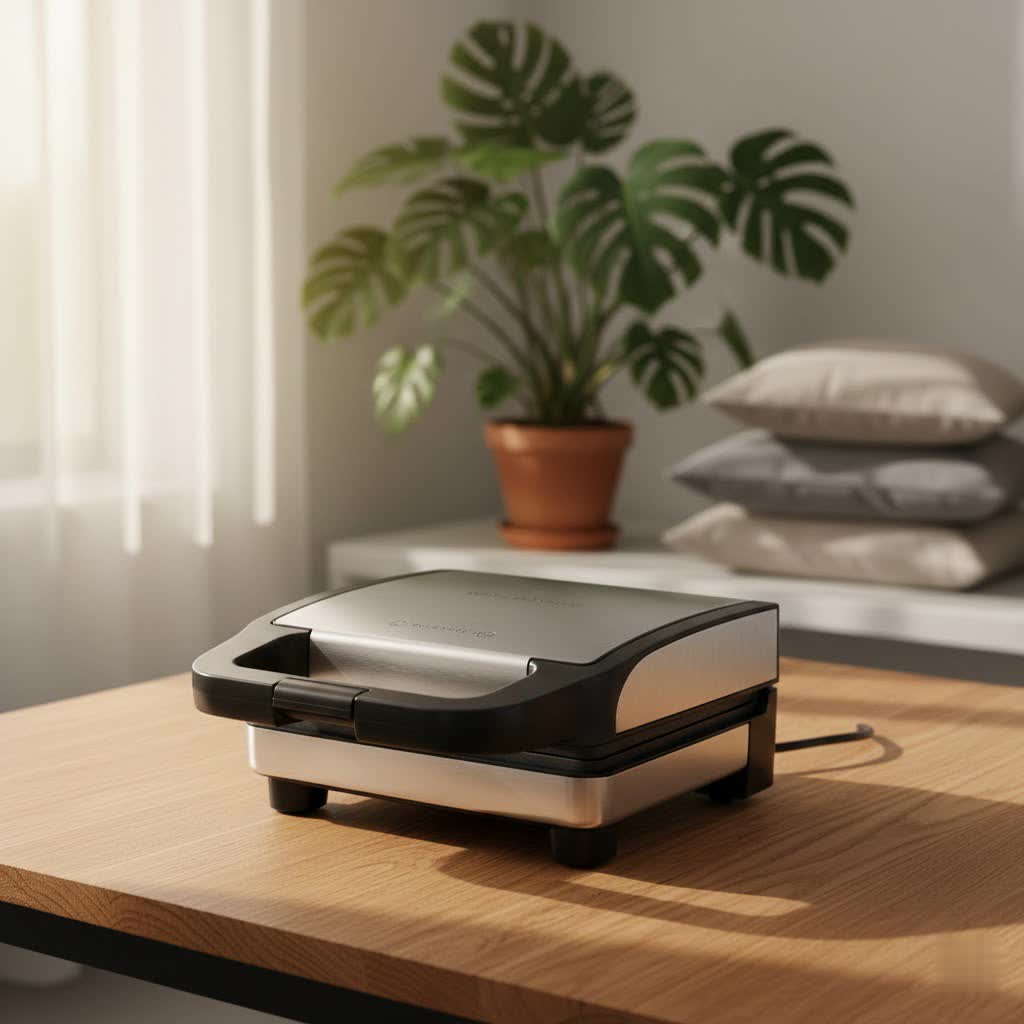
Are you tired of soggy sandwiches or unevenly grilled bread? A Toasted Sandwich Maker could be the kitchen hero you never knew you needed. These versatile appliances transform ordinary bread and fillings into warm, crispy, and utterly delicious meals or snacks. Whether you’re a busy parent looking for quick lunch solutions or a culinary enthusiast eager to experiment with gourmet melts, understanding the nuances of these machines is key to finding your perfect match. From classic sealed pockets to deli-style paninis, the right toasted sandwich maker can elevate your everyday eating experience, making breakfast, lunch, or a late-night snack effortlessly delightful.
What is a Toasted Sandwich Maker?
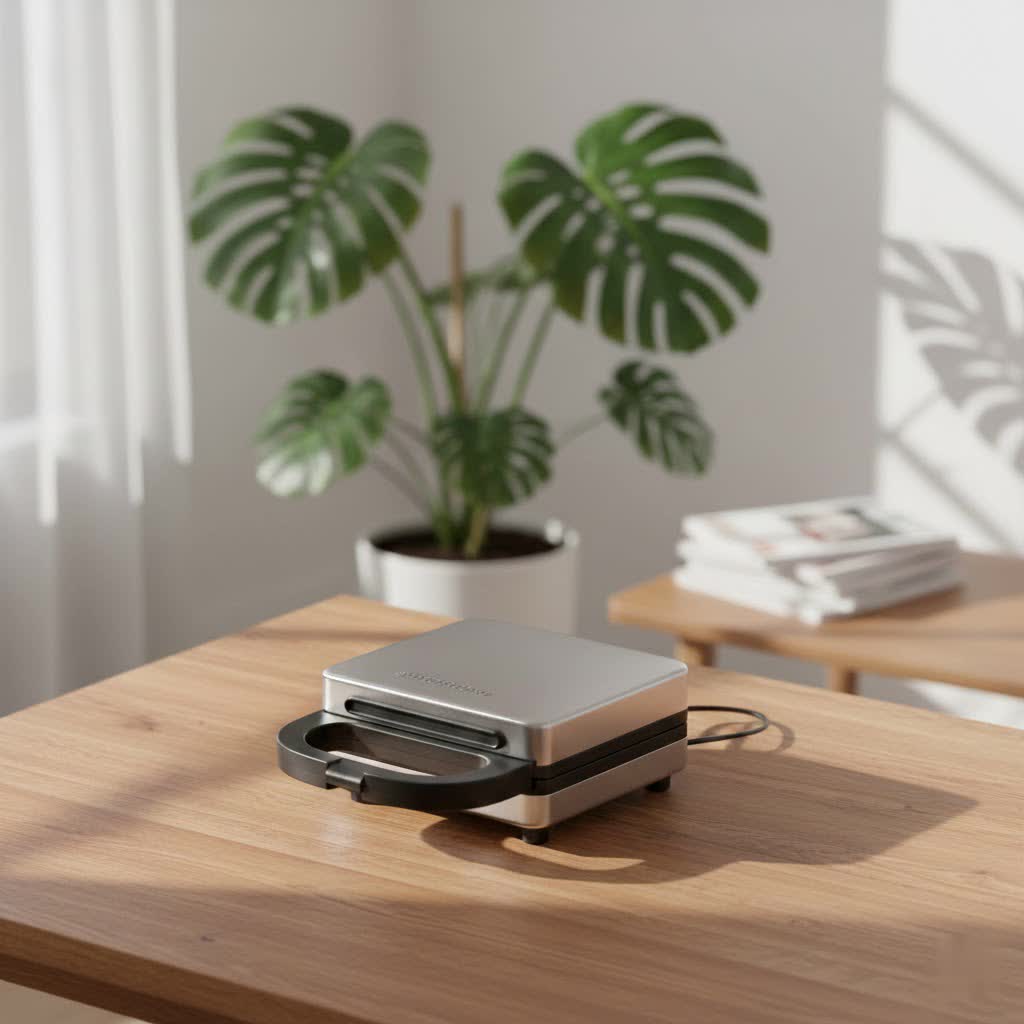
A toasted sandwich maker, often referred to as a toastie maker or sandwich toaster, is an electric kitchen appliance designed to heat, toast, and often seal sandwiches between two hinged, heated plates. Its primary purpose is to create a perfectly crisp exterior while melting the fillings inside, offering a distinct textural and taste experience far beyond a conventional toaster. The magic lies in its ability to apply direct heat and pressure simultaneously, resulting in a uniformly golden-brown finish and gooey, delightful contents.
The concept of toasting sandwiches between heated plates dates back further than many realize. The earliest known device, dubbed the “Tostwich,” was invented by Charles V. Champion in the United States around 1920 and formally patented in 1925. This rudimentary yet effective design laid the groundwork for modern sandwich making. Decades later, the electric toasted sandwich maker truly gained widespread popularity, particularly with the introduction of the Breville brand’s models in the 1970s. So influential were these machines that in certain regions, the name “Breville” became almost synonymous with the appliance itself. Other earlier innovations included the Australian Jaffle iron, developed by Dr. Ernest Eric Smithers in 1949, which was initially designed for use over open flames, showcasing the enduring appeal of hot, pressed sandwiches across different cultures and eras.
Types of Toasted Sandwich Makers
The market offers a diverse range of toasted sandwich makers, each designed to cater to different culinary preferences and needs. Understanding these variations is crucial for selecting the appliance that best suits your home kitchen.
Classic Sandwich Toasters (Cut-and-Seal)
|
Our Picks for the Best Sandwich Maker in 2026
We may earn a commission when you use one of our links to make a purchase.
|
||
| Num | Product | Action |
|---|---|---|
| 1 | OVENTE Electric Sandwich Maker with Non-Stick Plates, Indicator Lights, Cool Touch Handle, Easy to Clean and Store, Perfect for Cooking Breakfast, Grilled Cheese, Tuna Melts and Snacks, Black GPS401B |

|
| 2 | Proctor Silex Deluxe Hot Sandwich Maker With Easy-Clean Durable PFAS-Free Nonstick Ceramic Plates, Fits up to 2 Grilled Cheese, Ruebens, Tortas or Subs, Stainless Steel (25415MN) |
|
| 3 | OVENTE Electric Panini Press Grill with Nonstick Plates, LED Indicator Lights, Thermostat Control, Cool Touch Handle, Compact Sandwich Maker Perfect for Cooking Breakfast, Snacks & More, Black GP0401B |
|
| 4 | Hamilton Beach Electric Sealed Sandwich Maker Grill with PFAS-Free Nonstick Plates, Makes Stuffed French Toast, Omelets, Compact & Easy to Store, Black (25430G) |
|
| 5 | T-fal Compact Sandwich Maker, Stainless Steel, Easy to Clean, Indicator Lights, Cool Touch Handle, Grilled Cheese, Panini, 625 Watts, Black |
|
| 6 | OVENTE 3 in 1 Electric Sandwich Maker, Panini Press Grill and Waffle Iron Set with Removable Non-Stick Plates, Perfect for Cooking Grilled Cheese, Tuna Melts, Burgers, Steaks and Snacks, Black GPI302B |
|
| 7 | Hamilton Beach Panini Press Sandwich Maker & Electric Indoor Grill with Locking Lid, Opens Wide to Fit Any Thickness for Quesadillas, Burgers & More, Nonstick 8" x 10" Grids, Chrome (25460MNA) |
|
| 8 | Chefman Panini Press Grill and Gourmet Sandwich Maker Non-Stick Coated Plates, Opens 180 Degrees to Fit Any Type or Size of Food, Stainless Steel Surface and Removable Drip Tray, 4 Slice, Black |
|
| 9 | Commercial Dual Head Panini Grill, 3400W Electric Sandwich Panini Maker, 50-300℃(120-570℉), Stainless Steel Sandwich Press Grill, for Catering, Restaurant, Snack Stand, CE Certified |
|
| 10 | Elite Gourmet ESM2207XSS Sandwich Panini Maker Grilled Cheese, Machine Tuna Melt Omelets Non-stick Cooking Surface, 2 Slice, 750 Watts, Stainless Steel |
|
These are arguably the most iconic type, often featuring triangular or square plates with raised edges that cut and seal the bread. This design creates individual, sealed pockets, effectively preventing cheese and other gooey fillings from leaking out during cooking. Classic sandwich toasters are typically compact and straightforward to use, making them excellent for quick, traditional cheese toasties. Their defined molds ensure a consistent shape and crispness for each sandwich. They are an ideal choice for families with children who love neat, hot pocket-style sandwiches, and for anyone who prioritizes minimal mess and a classic toastie experience.
Grill Sandwich Makers (Panini Presses)
For those who crave café-style grilled sandwiches, a grill sandwich maker, commonly known as a panini press, is the perfect appliance. These machines feature flat or ridged plates that press down on the bread, imparting distinctive char lines without sealing the edges. This design accommodates a wider variety of bread types, including ciabatta, focaccia, bagels, and thicker artisanal loaves, allowing for more generous and creative fillings. Many panini presses also come with a floating hinge, which adjusts to the thickness of your sandwich, ensuring even toasting. Some advanced models can even open 180 degrees to function as a versatile tabletop grill, perfect for cooking vegetables, meats, or paneer. These are best suited for individuals or families who enjoy diverse grilled items beyond just sandwiches and appreciate the flexibility to use different bread types.
Multi-Functional Sandwich Makers
Embracing versatility, multi-functional sandwich makers, often marketed as “3-in-1” appliances, feature interchangeable plates. With one base unit, you can easily swap between plates for making classic sealed sandwiches, grilling paninis, and even cooking waffles or other snacks. This adaptability makes them a game-changer for households that enjoy a wide range of hot snacks and want to maximize their kitchen appliance’s utility without cluttering countertops with multiple devices. While they may come with a slightly higher price tag and potentially require a bit more storage for the extra plates, their ability to perform multiple roles offers significant value. Multi-functional models are ideal for experimental cooks, larger families, or anyone with limited kitchen space who wants a single appliance to handle diverse cooking tasks.
Comparison Table: Classic vs. Grill vs. Multi-Functional Toasted Sandwich Makers
| Feature | Classic Sandwich Toaster | Grill Sandwich Maker (Panini Press) | Multi-Functional Sandwich Maker |
|---|---|---|---|
| Plate Type | Triangular/Square, fixed, sealing | Flat or ridged, often fixed | Interchangeable (sandwich, grill, waffle, etc.) |
| Sealing | Seals bread edges, creates pockets, contains fillings | Does not seal edges, creates grill marks | Varies by plate (seals with sandwich plates, grills with grill plates) |
| Versatility | Limited to sealed sandwiches | Good for various breads, paninis, some grilling | High; excels at sandwiches, paninis, waffles, etc. |
| Cleaning | Easier with non-stick, tricky if fixed plates are deep | Can be tricky with fixed ridged plates, better with removable | Easiest with removable, dishwasher-safe plates |
| Price Range | Generally most affordable | Mid-range | Higher |
| Ideal for… | Classic toasties, minimal mess, simple use | Thick breads, paninis, versatile grilling | Diverse hot snacks, space-saving for multiple functions |
Essential Criteria for Choosing Your Toasted Sandwich Maker
Selecting the right toasted sandwich maker involves more than just picking a brand. Considering key features ensures you get an appliance that perfectly fits your cooking habits and lifestyle.
Material and Plate Design
The material and design of the cooking plates are paramount. Non-stick plates are essential for effortless food release and easy cleanup. Look for high-quality coatings that are durable and won’t peel over time. The plate design itself dictates the type of sandwich you can make:
- Triangular or Square Sealed Plates: Best for traditional “hot pocket” toasties, keeping fillings contained.
- Flat or Ridged Grill Plates: Ideal for paninis, wraps, and thicker breads, creating attractive grill marks.
- Deep-Fill Plates: Accommodate more generous fillings without overflow, a significant benefit for hearty sandwiches.
- Removable Plates: A highly desirable feature for cleaning. Plates that can be detached and washed separately (even dishwasher-safe) drastically simplify post-cooking cleanup.
Power and Heating Efficiency
The wattage of a toasted sandwich maker directly impacts its performance. Generally, models range from 700W to 850W for 2-slice units. A higher wattage means faster preheating times and more efficient, even toasting, resulting in a crispier finish. If you’re often in a rush or prefer quick meal preparation, an appliance with higher power output will be a significant advantage. While higher wattage might consume slightly more electricity, the short cooking cycles for sandwiches mean the overall impact on energy bills is usually minimal.
Size, Capacity, and Storage
Consider how many sandwiches you typically prepare at once. Most home models are 2-slice, making two triangular sandwiches or one large panini. For larger families or entertaining, a 4-slice capacity might be more suitable, or a faster 2-slice model that can quickly make multiple batches. Also, evaluate the physical footprint of the appliance in your kitchen. If counter space is limited, look for compact designs or models that can be stored upright to save space in cupboards. Features like cord storage also contribute to a tidier kitchen.
Additional Features and Safety
Modern toasted sandwich makers come with various features designed to enhance usability and safety:
- Indicator Lights: Essential “power on” and “ready to cook” lights guide you through the cooking process, ensuring the plates are at the optimal temperature.
- Controls: Basic models typically plug in and rely on an automatic thermostat. Higher-end models may offer an on/off switch or variable temperature control, providing more precision over the toasting level.
- Safety Features: Cool-touch handles prevent accidental burns. A locking latch keeps the lid securely closed during cooking and for compact storage. Non-slip feet ensure stability on your countertop. Internal overheating protection or a thermal fuse are crucial safety mechanisms that cut power if the unit gets too hot.
Where to Purchase Your Toasted Sandwich Maker
Acquiring a high-quality toasted sandwich maker is straightforward, with options available both in physical stores and online. Your choice depends on personal preference for browsing and purchasing.
Retail Stores: Electronics and home appliance stores offer the advantage of seeing the product firsthand. You can assess its size, build quality, and features before buying. Sales associates can also provide immediate assistance and answer questions. This can be beneficial for those who prefer a tactile shopping experience and direct interaction.
Online Marketplaces: E-commerce platforms provide an extensive selection, often with competitive pricing and detailed customer reviews. Websites from major retailers, specialized kitchen appliance stores, and even direct from brand manufacturers like Breville offer a vast array of models.
Tips when buying online:
- Read Customer Reviews: Pay close attention to feedback regarding performance, durability, and ease of cleaning.
- Check Warranty Information: Ensure the product comes with a manufacturer’s warranty, typically one year, for peace of mind.
- Compare Features and Prices: Use comparison tools to weigh different models against your budget and desired features.
- Review Return Policies: Understand the store’s return policy in case the product doesn’t meet your expectations.
Mastering Your Toasted Sandwich Maker: Usage and Care
Getting the most out of your toasted sandwich maker involves understanding how to use it safely and effectively, along with proper cleaning and maintenance.
Safe and Effective Usage
Always begin by preheating your sandwich maker. The “ready” indicator light will signal when the plates have reached the optimal temperature for cooking. For best results and a beautiful golden crust, many users lightly butter the outside of their bread slices. Place your chosen fillings between the bread, then carefully position the sandwich on the lower plate. Close the lid gently, ensuring the locking latch (if present) is secured. Cooking times typically range from 3-6 minutes, depending on the machine’s wattage and your desired level of crispness. Keep an eye on it to prevent burning. Remember, fillings can get extremely hot, so allow a moment for your delicious creation to cool before taking that first mouth-watering bite.
Proper Cleaning Techniques
Cleaning is often the least enjoyable part of cooking, but with a toasted sandwich maker, it can be quite simple if done correctly. Always allow the appliance to cool completely before cleaning.
- Non-Stick Plates: For non-removable non-stick plates, simply wipe them down with a damp cloth or sponge. Avoid abrasive scourers or harsh chemicals, as these can damage the non-stick coating.
- Removable Plates: If your model has detachable plates, remove them and wash them in warm, soapy water. Many removable plates are also dishwasher-safe, offering ultimate convenience.
- Drip Trays: Panini presses that open flat often include a drip tray to catch excess oil or melted cheese. Empty and clean this tray after each use.
- Exterior: Wipe the exterior with a damp cloth. Never immerse the electrical unit in water.
Maintenance for Longevity
To ensure your toasted sandwich maker serves you for years to come, a few simple maintenance tips are helpful:
- Storage: Store the appliance in a cool, dry place. If it has an upright storage option and cord wrap, utilize these features to keep your kitchen organized and the cord protected.
- Avoid Overfilling: While deep-fill models are great, excessive overfilling can put strain on the hinges and locking mechanism, potentially leading to damage or messy leaks.
- Handle with Care: Always use non-abrasive utensils (plastic or wood) to remove sandwiches to avoid scratching the non-stick coating.
Top Toasted Sandwich Makers: What to Look For
When considering the “best” toasted sandwich makers, certain features consistently stand out across highly-rated models from reputable brands. Deep-fill capacity is a frequent highlight, allowing for more substantial and satisfying sandwiches without the worry of overflow. Removable and dishwasher-safe plates are almost universally praised for making cleanup effortless, a significant time-saver for busy individuals. Brands like Breville are often cited for their durable construction, efficient heating, and reliable performance, offering a range from classic sealers to versatile panini presses. Cuisinart’s Griddler series is another top contender, known for its multi-functionality and precise temperature controls. George Foreman grills are often recommended as budget-friendly, basic options for quick paninis. Ultimately, the best model for you will align with your specific needs—whether it’s the classic sealed toastie, the versatility of a grill, or a multi-functional unit for various snacks.
Your Toasted Sandwich Maker Buying Guide: Expert Recommendations
Choosing the perfect toasted sandwich maker doesn’t have to be a complex decision. By focusing on your primary needs, you can narrow down the options and invest in an appliance that brings joy to your kitchen.
If your heart is set on the nostalgic, perfectly sealed “hot pocket” experience, a classic cut-and-seal toastie maker with deep-fill plates is your best bet. These are typically more affordable and excellent at containing gooey fillings. For those who love variety and the authentic taste of grilled bread, a panini press with flat or ridged plates will open up a world of culinary possibilities, allowing you to toast various bread types and even grill other foods. And if you’re a true kitchen adventurer, a multi-functional 3-in-1 sandwich maker offers unparalleled versatility, transforming from a sandwich toaster to a waffle maker or grill with a simple plate change.
Always prioritize non-stick and, if possible, removable plates for easy cleaning. Consider the wattage for quick heating, and ensure the size and capacity match your household’s needs. Don’t overlook crucial safety features like cool-touch handles and a secure locking latch. By carefully weighing these factors, you’ll find a reliable appliance that serves up delicious, perfectly toasted sandwiches for years to come.
Frequently Asked Questions
What’s the main difference between a sandwich toaster and a panini press?
A sandwich toaster typically features plates that cut and seal the edges of the bread, creating neat, pocket-like sandwiches. A panini press, on the other hand, uses flat or ridged plates to press and grill the sandwich, leaving grill marks but not sealing the edges, which allows for thicker breads and more generous fillings.
Can I use any type of bread in a toasted sandwich maker?
For classic sandwich toasters with sealed plates, standard square bread slices work best to ensure a good seal. Panini presses and multi-functional models with flat or ridged plates offer more flexibility, accommodating thicker breads like ciabatta, focaccia, and bagels.
How do I prevent my sandwich from sticking to the plates?
Always ensure your sandwich maker has non-stick plates. Lightly buttering the outer sides of your bread slices can also help prevent sticking and contributes to a crispier, golden-brown finish. Avoid overfilling, as overflowing ingredients can stick and burn.
Are deep-fill toasted sandwich makers better?
Deep-fill toasted sandwich makers are generally preferred by many as they allow for more substantial fillings without the risk of spillage. This means you can add extra cheese, meats, or vegetables, resulting in a more satisfying and flavorful sandwich experience.
How often should I clean my toasted sandwich maker?
It is recommended to clean your toasted sandwich maker after every use, once it has cooled down completely. Regular cleaning prevents food residue from hardening and building up, which can affect performance and hygiene. For models with removable plates, cleaning is significantly easier.
Conclusion
A toasted sandwich maker is more than just a simple appliance; it’s a gateway to quick, comforting, and customizable meals that can brighten any day. From the classic, sealed toastie that evokes childhood nostalgia to gourmet panini creations, these devices offer unmatched convenience and delicious results. By understanding the different types, key features, and proper care, you’re now equipped to choose the perfect toasted sandwich maker for your kitchen. Investing in the right model means bringing home a dependable companion that will inspire countless delicious moments, effortlessly transforming everyday ingredients into extraordinary treats. So, which delicious toasted creation will you craft first with your new kitchen essential?