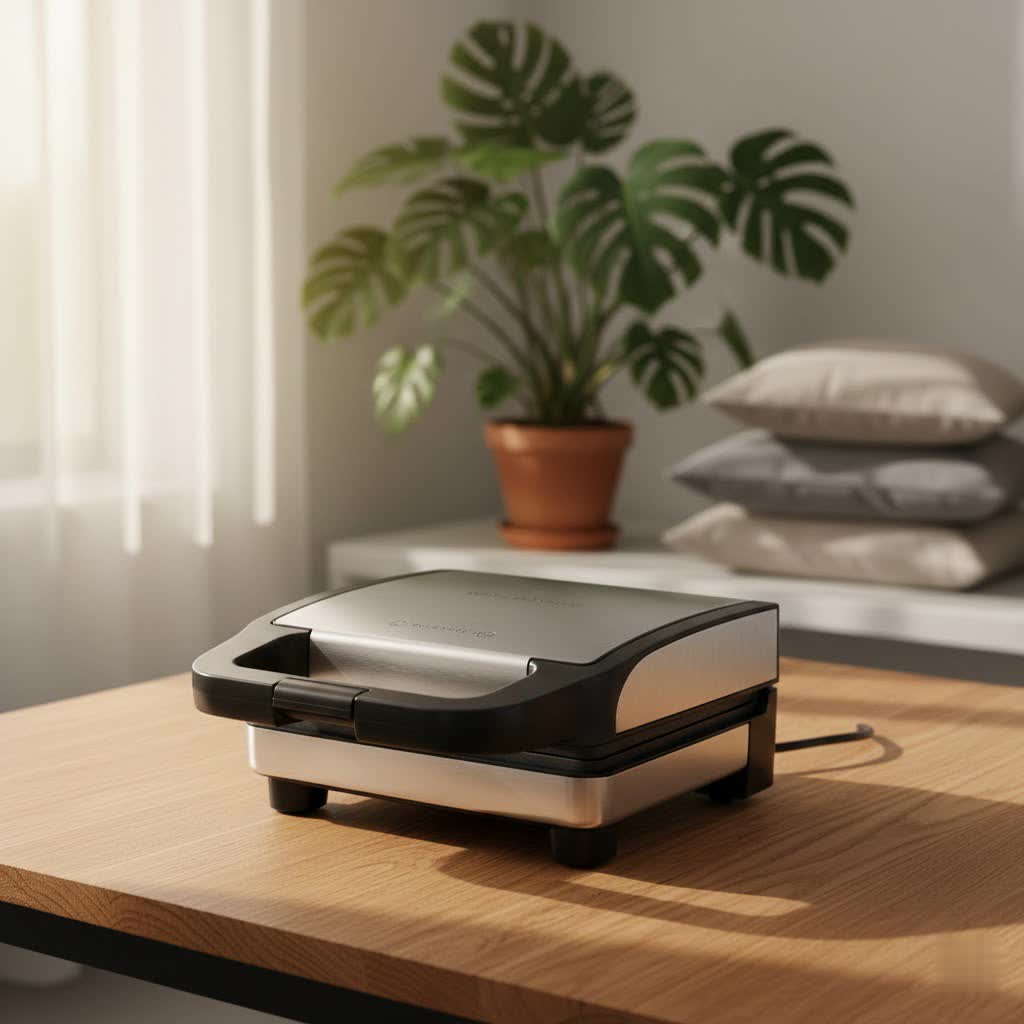
Are you tired of soggy sandwiches or burnt toast? In today’s fast-paced world, a perfect sandwich can be a quick meal solution or a gourmet delight, but achieving that ideal golden crispness and evenly melted filling often requires the right tool. This comprehensive guide will navigate you through the world of sandwich makers, revealing what they are, the different types available, key features to consider, and how to select the best one to transform your daily meals and unlock new culinary possibilities.
What is a Sandwich Maker?
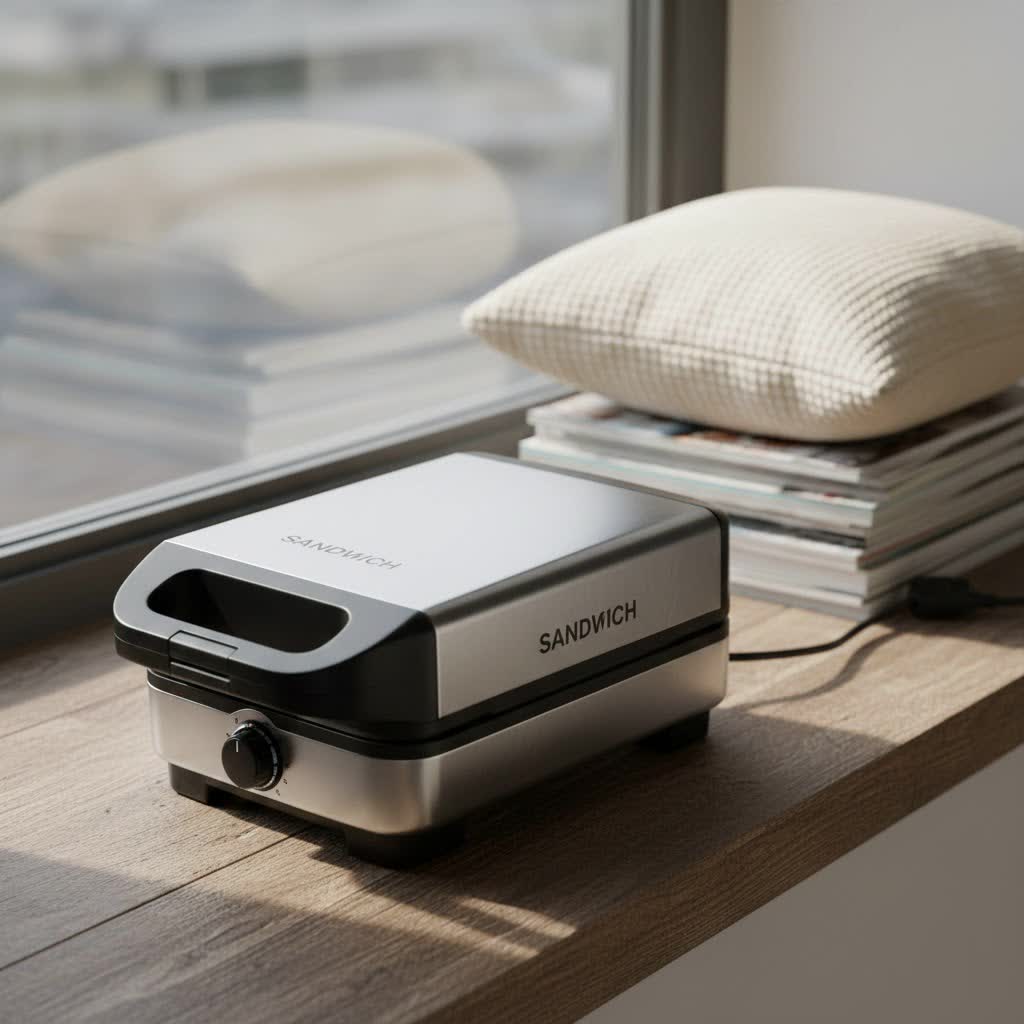
A sandwich maker, often referred to as a sandwich toaster or press, is a kitchen appliance designed to quickly heat, toast, and seal sandwiches. It typically consists of two hinged plates that heat up, pressing together to cook the bread and its fillings simultaneously. This ingenious device ensures even cooking on both sides, creating a delightful crispy exterior and a warm, gooey interior in just minutes. Beyond traditional sandwiches, many modern sandwich makers offer versatility, allowing users to grill vegetables, paneer, quesadillas, or even make waffles, making them a multi-purpose addition to any kitchen.
The concept of a dedicated sandwich-making appliance has a rich history. The first sandwich maker was invented in 1902 by Alan Macmaster, initially known as the “Toaster Grill.” While early models primarily served commercial settings, their popularity soared in homes during the 1950s, largely due to the rising demand for grilled cheese sandwiches. Since then, continuous innovation has led to a wide array of designs and features, cementing the sandwich maker’s place as a common and beloved kitchen staple.
Popular Types of Sandwich Makers
The market offers a variety of sandwich makers, each catering to different preferences and cooking styles. Understanding their distinctions can help you choose the best fit for your kitchen.
Classic Sandwich Makers (Sealing/Pocket)
These are the traditional sandwich makers many grew up with, featuring triangular or square plates that seal and cut sandwiches into neat, compact pockets. They are designed to create that iconic sealed edge, preventing fillings from oozing out and ensuring every bite is a perfect blend of bread and filling.
- Pros:
- Excellent for sealed, pocket-style sandwiches.
- Compact and easy to store.
- Often more affordable.
- Quick and straightforward to use.
- Cons:
- Less versatile; typically limited to specific bread sizes and shapes.
- May not accommodate very thick or generously filled sandwiches.
- Best for: Families who love classic toasties, individuals seeking quick and easy breakfast or snack solutions, and those with limited kitchen space.
|
Our Picks for the Best Sandwich Maker in 2026
We may earn a commission when you use one of our links to make a purchase.
|
||
| Num | Product | Action |
|---|---|---|
| 1 | Proctor Silex Deluxe Hot Sandwich Maker With Easy-Clean Durable PFAS-Free Nonstick Ceramic Plates, Fits up to 2 Grilled Cheese, Ruebens, Tortas or Subs, Stainless Steel (25415MN) |

|
| 2 | OVENTE Electric Sandwich Maker with Non-Stick Plates, Indicator Lights, Cool Touch Handle, Easy to Clean and Store, Perfect for Cooking Breakfast, Grilled Cheese, Tuna Melts and Snacks, Black GPS401B |
|
| 3 | OVENTE Electric Panini Press Grill with Nonstick Plates, LED Indicator Lights, Thermostat Control, Cool Touch Handle, Compact Sandwich Maker Perfect for Cooking Breakfast, Snacks & More, Black GP0401B |
|
| 4 | OVENTE 3 in 1 Electric Sandwich Maker, Panini Press Grill and Waffle Iron Set with Removable Non-Stick Plates, Perfect for Cooking Grilled Cheese, Tuna Melts, Burgers, Steaks and Snacks, Black GPI302B |
|
| 5 | Commercial Dual Head Panini Grill, 3400W Electric Sandwich Panini Maker, 50-300℃(120-570℉), Stainless Steel Sandwich Press Grill, for Catering, Restaurant, Snack Stand, CE Certified |
|
| 6 | Hamilton Beach Panini Press Sandwich Maker & Electric Indoor Grill with Locking Lid, Opens Wide to Fit Any Thickness for Quesadillas, Burgers & More, Nonstick 8" x 10" Grids, Chrome (25460MNA) |
|
| 7 | Elite Gourmet ESM2207XSS Sandwich Panini Maker Grilled Cheese, Machine Tuna Melt Omelets Non-stick Cooking Surface, 2 Slice, 750 Watts, Stainless Steel |
|
| 8 | T-fal Compact Sandwich Maker, Stainless Steel, Easy to Clean, Indicator Lights, Cool Touch Handle, Grilled Cheese, Panini, 625 Watts, Black |
|
| 9 | Chefman Panini Press Grill and Gourmet Sandwich Maker Non-Stick Coated Plates, Opens 180 Degrees to Fit Any Type or Size of Food, Stainless Steel Surface and Removable Drip Tray, 4 Slice, Black |
|
| 10 | Hamilton Beach Electric Sealed Sandwich Maker Grill with PFAS-Free Nonstick Plates, Makes Stuffed French Toast, Omelets, Compact & Easy to Store, Black (25430G) |
|
Grill Sandwich Makers (Panini Press Style)
Also known as panini presses, these appliances feature ridged, flat plates that press down on the bread, creating distinctive grill marks. They don’t seal the edges like classic makers, allowing for more creative freedom with fillings and bread types. Many models can also open flat to 180 degrees, functioning as an indoor grill.
- Pros:
- Ideal for deli-style grilled sandwiches and paninis.
- Accommodates various bread types (ciabatta, focaccia, tortillas).
- Can often grill other foods like chicken, vegetables, or burgers.
- Some models have adjustable height settings for thicker items.
- Cons:
- May be larger and take up more counter space.
- Often more expensive than classic models.
- Fillings are not sealed, so can sometimes drip.
- Best for: Food enthusiasts who enjoy experimenting with different ingredients, those who want café-style sandwiches, and individuals looking for a versatile grilling appliance.
Multi-functional Sandwich Makers
These innovative appliances come with interchangeable plates, allowing them to perform multiple tasks. You can switch between sandwich plates, grill plates, and even waffle plates, turning one device into a 3-in-1 or 4-in-1 kitchen powerhouse.
- Pros:
- Maximum versatility; replaces several single-purpose appliances.
- Saves significant storage space.
- Great value for money over buying separate devices.
- Cons:
- Often higher initial cost.
- Changing plates can be a minor inconvenience.
- May be larger or bulkier than single-function models.
- Best for: Busy households, individuals with diverse cooking needs but limited kitchen space, and anyone looking to maximize appliance utility.
Comparison Table of Sandwich Maker Types
| Feature | Classic Sandwich Maker (Sealing) | Grill Sandwich Maker (Panini Press) | Multi-functional Sandwich Maker |
|---|---|---|---|
| Price Range | Low to Mid | Mid to High | Mid to High |
| Primary Use | Sealed, pocket sandwiches | Grilled sandwiches, paninis, flat grilling | Sandwiches, grilling, waffles, various |
| Plate Type | Fixed, triangular/square, often deep | Fixed or removable, ridged, sometimes flat | Interchangeable (sandwich, grill, waffle) |
| Versatility | Limited (specific bread/fillings) | Medium (various breads, light grilling) | High (many cooking options) |
| Ease of Cleaning | Good (non-stick, less mess) | Good (non-stick, sometimes removable) | Very Good (often removable, dishwasher-safe plates) |
| Space Saving | High (compact) | Medium (can be bulky) | High (replaces multiple appliances) |
| Best For | Quick, classic toasties | Café-style grilled items, versatile grilling | All-around kitchen tasks, varied diet |
Criteria for Choosing a Sandwich Maker
Selecting the right sandwich maker involves more than just picking a brand. Considering these crucial factors will ensure you make an informed decision that meets your specific needs.
Material & Non-Stick Coating
The material of the cooking plates and the quality of their non-stick coating are paramount. Look for durable materials like aluminum or cast iron, often coated with ceramic, PFOA-free Teflon, or other non-stick surfaces. A high-quality non-stick coating ensures easy food release, minimizes the need for excessive oil, and makes cleanup a breeze. Removable, dishwasher-safe plates are a huge bonus for effortless maintenance.
Power (Wattage)
Wattage directly impacts how quickly your sandwich maker heats up and cooks. Higher wattage generally means faster cooking times. For a quick meal solution, a wattage of around 700-750 Watts is often recommended, ensuring your sandwich is perfectly toasted in just a few minutes. If you’re frequently in a rush, prioritizing a higher wattage can be a real time-saver.
Size and Design
Consider your household size and kitchen space.
- Capacity: Sandwich makers come in 1-slice, 2-slice, or 4-slice options. A 2-slice model is perfect for individuals or couples, while larger families might benefit from a 4-slice unit to prepare multiple sandwiches at once.
- Plate Design: As discussed, classic models often have deep, shaped plates for sealed toasties, while grill presses feature ridged plates for char lines. Multi-functional units offer various plate designs. Choose based on your preferred sandwich style.
- Ergonomics: Look for cool-touch handles, a secure locking latch (useful for pressing and storage), and non-slip feet for stability on your countertop.
- Storage: If counter space is limited, consider models that can be stored upright or feature integrated cord storage for a tidy kitchen.
Additional Features
Modern sandwich makers boast a range of features that enhance convenience, safety, and cooking precision.
- Temperature Control: Some advanced models offer adjustable heat settings, allowing you to customize the crispiness and browning level, which is particularly useful for different types of bread and fillings.
- Indicator Lights: Most sandwich makers have a power light and a “ready” indicator (often green). These lights take the guesswork out of cooking, signaling when the appliance is preheated and when your sandwich is perfectly done.
- Safety Features: Overheating protection, thermal insulation, and an auto-shutoff function are crucial safety aspects, especially in homes with children.
- Removable Plates: This feature significantly simplifies cleaning, as plates can often be detached and washed by hand or in a dishwasher. Some models also include drip trays to catch excess grease.
Where to Buy a Sandwich Maker?
Finding your ideal sandwich maker is easier than ever with various purchasing options available.
- Electronics & Home Appliance Stores: Major retailers often have a dedicated kitchen appliance section where you can see different models firsthand. This allows you to compare sizes, designs, and features in person. Store associates can also provide expert advice.
- Online Retailers: Websites like Amazon, Best Buy, Walmart, and specific brand websites (e.g., Breville, Cuisinart) offer an extensive selection, competitive prices, and often detailed customer reviews. Online shopping provides convenience and the ability to compare numerous models from the comfort of your home.
- Specialty Kitchen Stores: These stores may offer higher-end or unique models and specialized advice.
Tips for Buying Online:
- Read Reviews: Pay close attention to customer feedback regarding performance, durability, and ease of cleaning.
- Compare Prices: Use price comparison tools to ensure you’re getting the best deal.
- Check Warranty: Always verify the warranty and return policy before purchasing.
How to Use and Clean Your Sandwich Maker
Proper usage and regular cleaning will extend the life of your sandwich maker and ensure delicious results every time.
Using Your Sandwich Maker Safely and Effectively
- Preparation: Plug in the sandwich maker and allow it to preheat. Most models have indicator lights (red for power, green for ready).
- Grease Plates (Optional): Lightly butter the outside of your bread slices or lightly grease the non-stick plates with a little oil or cooking spray, especially if your plates aren’t highly non-stick.
- Assemble Sandwich: Place one slice of prepared bread on the bottom plate. Add your desired fillings, then top with the second slice of bread. Avoid overfilling, as this can lead to uneven cooking or difficulty closing the lid.
- Cook: Close the lid firmly, ensuring the latch (if present) is secure. Cook for 3-5 minutes, or until the indicator light signals it’s done and the sandwich is golden brown and crispy. Cooking times may vary by model and desired crispness.
- Remove: Carefully open the lid and use a non-metal utensil (wooden or silicone spatula) to remove the hot sandwich to avoid scratching the non-stick surface.
Cleaning Your Sandwich Maker Properly
“Maintaining your sandwich maker is key to its longevity and hygienic use. Always clean it after each session, but remember to let it cool completely first.” – Admin, Reviewmartz.com
- Cool Down: Always unplug the appliance and let it cool completely before cleaning.
- Remove Debris: Use a soft-bristled brush or a dry paper towel to gently brush away any loose crumbs or food residue.
- Wipe Plates: For fixed plates, use a damp cloth or sponge (non-abrasive) with a mild solution of warm water and dish soap. Gently wipe the plates until clean. For stubborn, stuck-on food, dampen a paper towel or soft cloth, place it on the plates while they’re still warm (but not hot to touch), and let it sit for a few minutes to loosen the residue, then wipe clean.
- Removable Plates: If your sandwich maker has removable plates, detach them and wash them with warm, soapy water in the sink or place them in the dishwasher if they are explicitly labeled as dishwasher-safe. Rinse and dry thoroughly.
- Clean Exterior: Wipe down the exterior body with a clean, damp cloth, then dry.
- Avoid: Never submerge the main unit in water. Avoid harsh chemicals, abrasive scrubbers, or metal utensils, as these can damage the non-stick coating and the appliance.
Storage and Maintenance Tips
- Ensure all parts are completely dry before storing to prevent rust or mold.
- Store the sandwich maker in a dry place, either flat or upright if designed for vertical storage.
- Wrap the power cord loosely rather than tightly around the appliance to prevent damage.
Top 5 Sandwich Makers Today (Detailed Review)
Based on market popularity, user reviews, and brand reputation for quality and innovation, here are some top contenders you might consider:
- Breville Ultimate Deep Fill Sandwich Toaster: A household name, Breville offers robust deep-fill models known for creating perfectly sealed, generously filled toasties. They often feature high hinges for thicker sandwiches and efficient browning.
- Pros: Excellent for deep-fill sandwiches, durable, quick heating.
- Cons: Fixed plates, primarily for sealed sandwiches.
- Price: Mid-range.
- Cuisinart Griddler Elite: This versatile appliance often tops lists for its multi-functionality. It serves as a panini press, contact grill, griddle, and more, with interchangeable plates and precise temperature control.
- Pros: Highly versatile, powerful, removable dishwasher-safe plates.
- Cons: Higher price point, larger footprint.
- Price: High-range.
- George Foreman 2-Serving Classic Plate Electric Indoor Grill and Panini Press: A budget-friendly yet highly effective option, the George Foreman grill is renowned for its ability to press sandwiches and grill other foods with its signature sloped design for fat drainage.
- Pros: Affordable, effective grilling, compact.
- Cons: Fixed plates, basic features.
- Price: Low-range.
- Philips 5000 Series Sandwich Maker: Known for its intuitive design and effective non-stick plates, this Philips model offers pleasing toastie results and can handle chunky breads with ease, providing a good balance of performance and space-saving design.
- Pros: Intuitive setup, effective non-stick, handles thicker bread.
- Cons: Not always dishwasher-friendly plates.
- Price: Mid-range.
- Gotham Steel Nonstick Panini Press Sandwich Maker: This compact panini press is praised for its rapid heating and ceramic and titanium reinforced non-stick surface, ensuring food releases quickly without the need for oil or butter.
- Pros: Quick heating, superior non-stick, compact design.
- Cons: Basic features, fixed plates.
- Price: Low-mid range.
Buying Guide – Choosing the Right Sandwich Maker for Your Needs
Navigating the options can feel daunting, but by focusing on your personal habits and preferences, you can pinpoint the perfect sandwich maker.
Here’s a breakdown of how to align your choice with your needs:
- For the Classic Toastie Lover: If your heart desires perfectly sealed, triangular, or square hot pockets, a classic sandwich maker is your best bet. Look for deep plates to accommodate generous fillings and strong seals to keep everything contained.
- For the Gourmet Grill Enthusiast: If you dream of café-style paninis with crisp grill lines and enjoy experimenting with various breads and grilled ingredients, a grill sandwich maker (panini press) with adjustable height and temperature controls will be ideal.
- For the Versatile Chef with Limited Space: If you want an appliance that does it all—sandwiches, grilling, and even waffles—a multi-functional sandwich maker with interchangeable plates will be the most efficient and space-saving choice.
- For Busy Mornings: Prioritize a model with high wattage (700-750W or higher) and indicator lights for quick preheating and cooking, ensuring you can grab a hot breakfast in minutes.
- For Easy Cleanup: Always opt for non-stick plates. If possible, choose a model with removable, dishwasher-safe plates to make post-meal tidying effortless.
- For Family Meals: Consider a 4-slice capacity sandwich maker to cater to multiple servings at once, saving time and effort.
- For Safety-Conscious Users: Look for features like cool-touch handles, a locking latch, and automatic shut-off to ensure a safe cooking experience, especially if children are around.
Choosing a sandwich maker is an investment in convenience and culinary joy. Reflect on your daily routine, your favorite meals, and your kitchen’s demands, and you’ll find an appliance that perfectly fits your lifestyle.
Conclusion
The sandwich maker, from its humble beginnings, has evolved into an indispensable kitchen appliance, offering a myriad of possibilities for quick, delicious, and perfectly toasted meals. Whether you’re a fan of classic sealed toasties, gourmet paninis with distinctive grill marks, or a versatile chef looking to expand your culinary repertoire with multi-functional plates, there’s a sandwich maker designed for you. By understanding the different types, key features like wattage and non-stick coatings, and the importance of easy cleaning, you can confidently choose a device that not only saves time but also ignites your creativity in the kitchen.
With the right sandwich maker, you can transform simple ingredients into delightful creations, making every meal an exciting experience. So, are you ready to elevate your sandwich game and savor the convenience and deliciousness a quality sandwich maker brings to your home?
Câu Hỏi Thường Gặp
What is the difference between a sandwich maker and a panini press?
A sandwich maker (often classic style) typically seals the edges of the bread, creating distinct pockets and often cutting the sandwich into triangles. A panini press, on the other hand, usually has ridged, flat plates that press and grill the sandwich, leaving characteristic char lines, without sealing the edges. Panini presses are generally more versatile for various bread types and can often grill other foods.
How do I prevent my sandwich from sticking to the maker?
To prevent sticking, always ensure your sandwich maker is fully preheated before placing the bread inside. Lightly buttering the outside of your bread slices or gently greasing the non-stick cooking plates with a little oil or cooking spray can also help. High-quality non-stick coatings significantly reduce sticking issues.
Can I make more than just sandwiches in a sandwich maker?
Many modern sandwich makers, especially grill-style presses and multi-functional models, are highly versatile. You can often use them to grill vegetables, paneer, chicken, quesadillas, burritos, or even make waffles and French toast if equipped with the right interchangeable plates. Always check your specific model’s capabilities.
Is it healthy to use a sandwich maker?
Using a sandwich maker can be a healthy cooking method, as it often requires minimal oil due to non-stick surfaces and allows you to control the ingredients. Opting for whole-grain bread, lean proteins, and plenty of vegetables can make your grilled sandwiches a nutritious meal choice.
How often should I clean my sandwich maker?
It is highly recommended to clean your sandwich maker after each use. This prevents food residue and grease from building up, which can affect performance and hygiene. Always ensure the appliance is unplugged and completely cool before cleaning with a damp cloth and mild soap.
What wattage is best for a sandwich maker?
For efficient and quick cooking, a sandwich maker with a wattage between 700 and 750 Watts is generally considered optimal for home use. Higher wattage models heat up faster and cook more quickly, while lower wattage appliances may take longer to achieve the desired crispness.
Can I use any type of bread in a sandwich maker?
For classic sealed sandwich makers, standard square bread slices work best. For panini presses, you have more flexibility and can use thicker breads like ciabatta, focaccia, baguettes, or even bagels. Always consider the thickness and size capacity of your specific sandwich maker.